With the launch of the new Puget Systems 17″ laptop, there are a lot of performance questions we want to address. Today, we will be examining the performance of this new mobile workstation compared to a more traditional desktop.
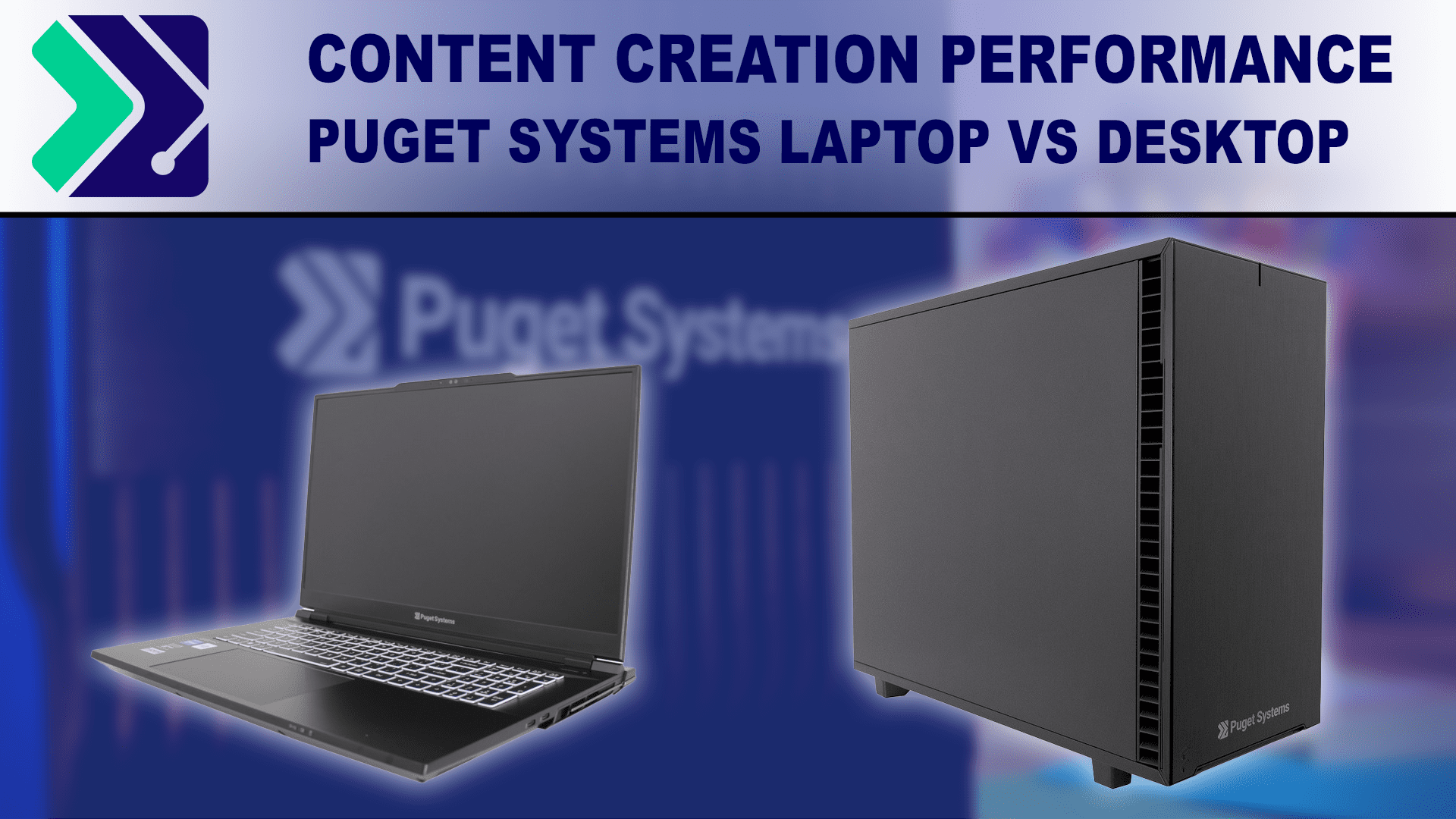
With the launch of the new Puget Systems 17″ laptop, there are a lot of performance questions we want to address. Today, we will be examining the performance of this new mobile workstation compared to a more traditional desktop.
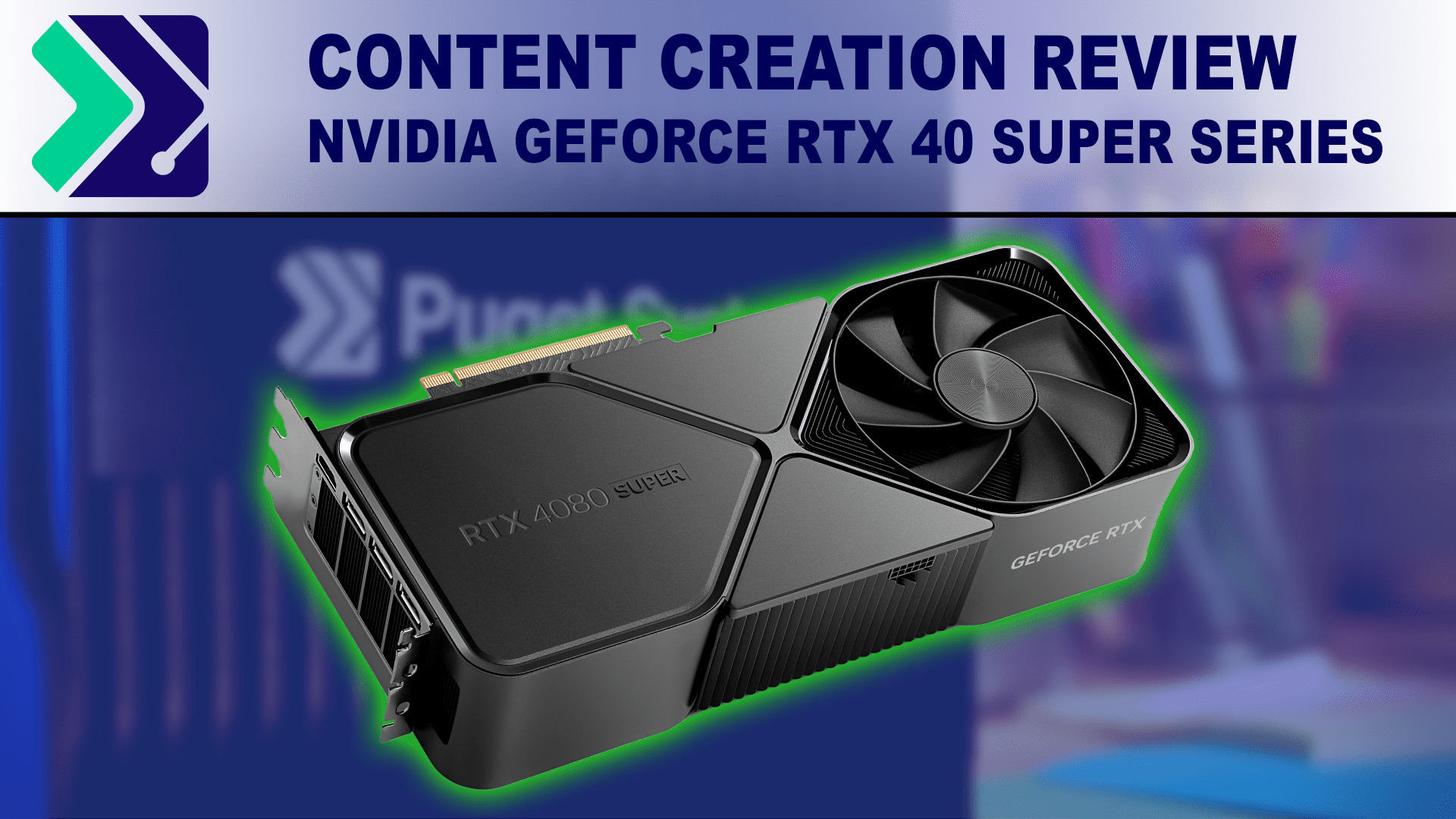
NVIDIA has released the SUPER variants of their RTX 4080, 4070 Ti, and 4070 consumer GPUs. How do they compare to their non-SUPER counterparts?
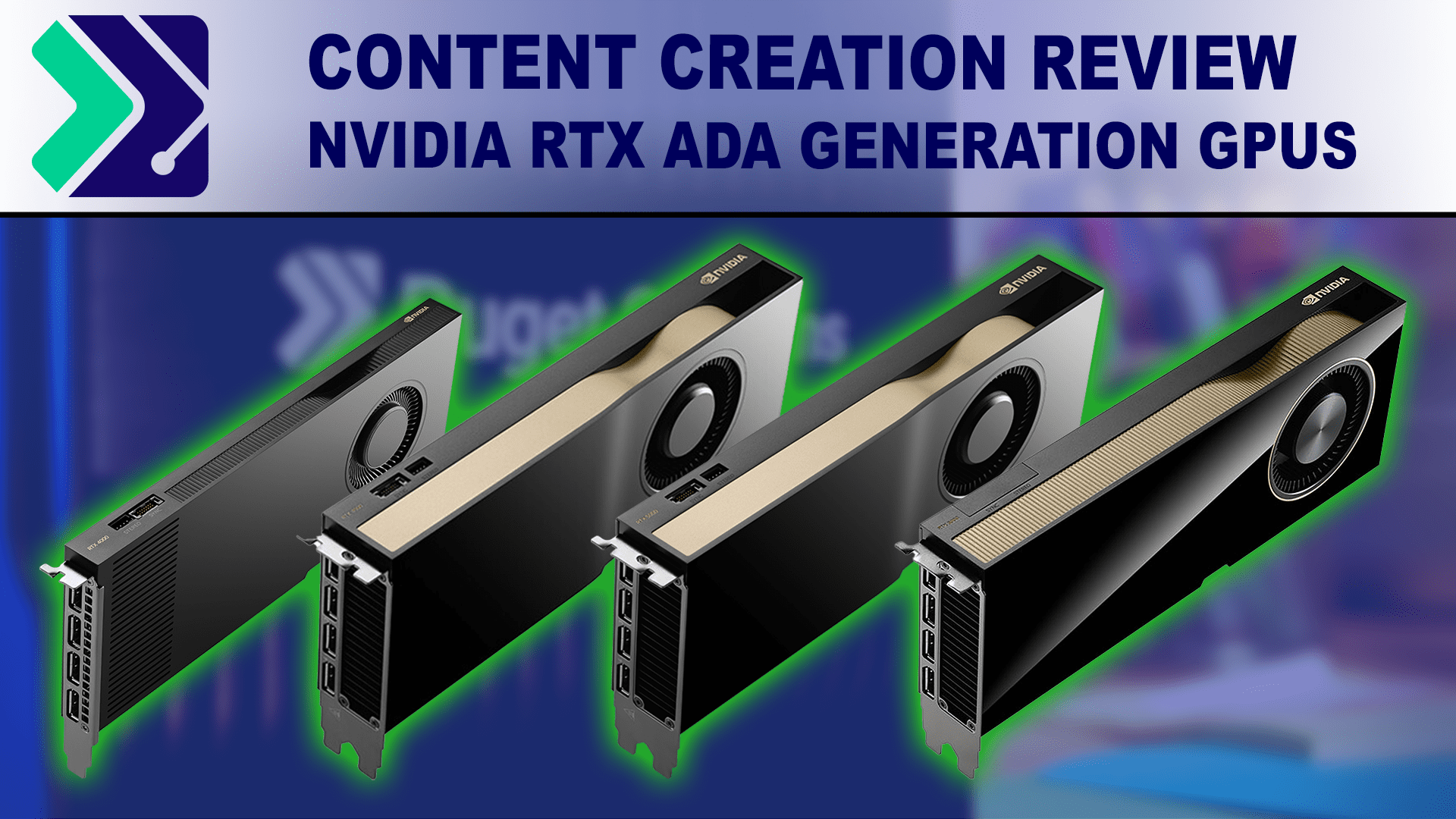
NVIDIA has released the complete family of professional Ada cards. How do they compare to the last-gen Ampere based professional GPUs?
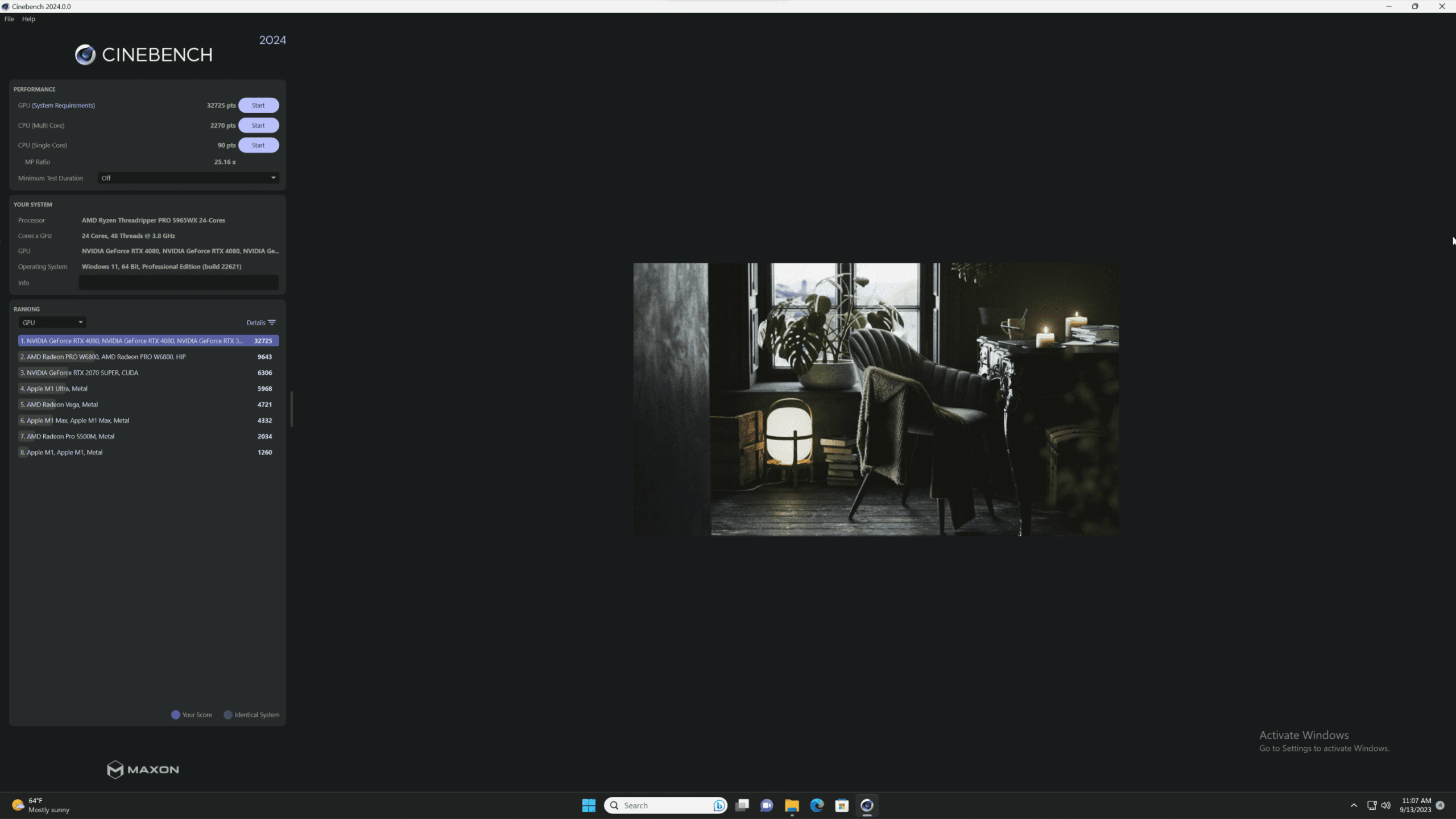
Cinebench 2024 is with with new features and expanded compatibility. We look into what these features are and what this update means for benchmarking.
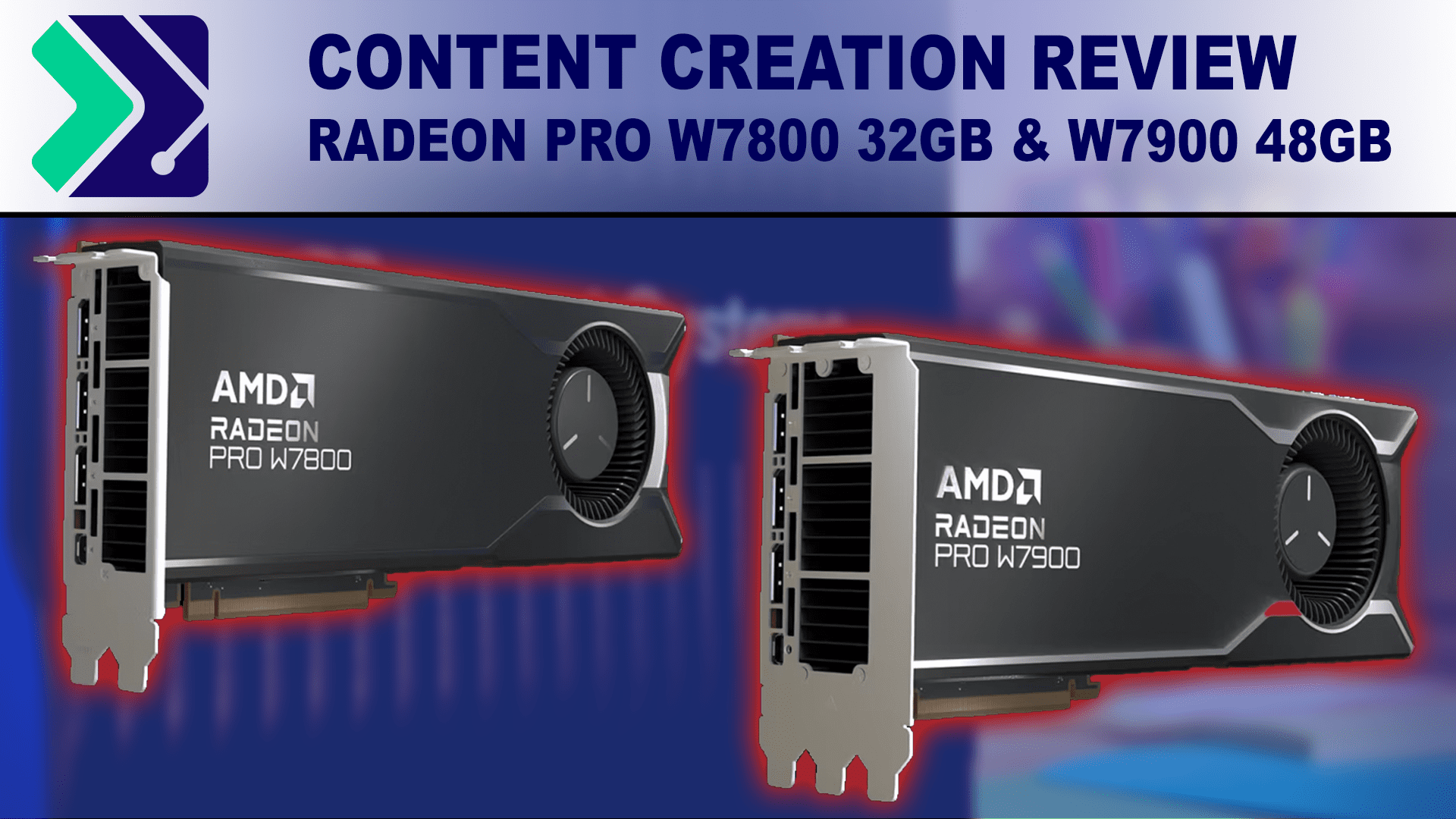
AMD’s has released the Radeon PRO 7000 series of graphics cards featuring up to 48 GB of VRAM. How do they compare to NVIDIA’s RTX Ampere and Ada GPUs?
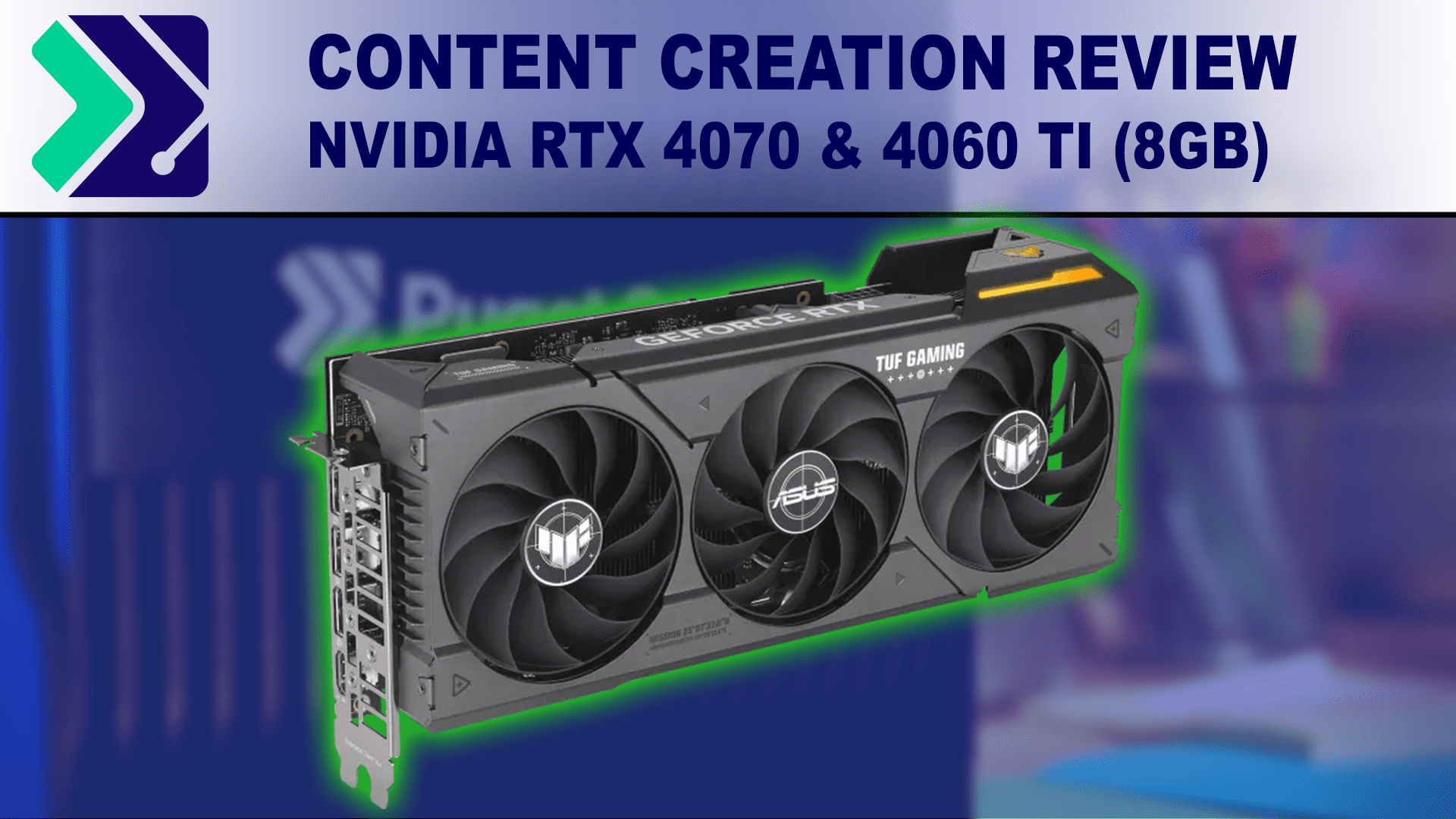
The NVIDIA GeForce RTX 4070 and 4060 Ti (8GB) are the most recent additions to NVIDIAs consumer family of GPUs on their Ada Lovelace Architecture. How do they compare for content creation against their previous generation counterparts?
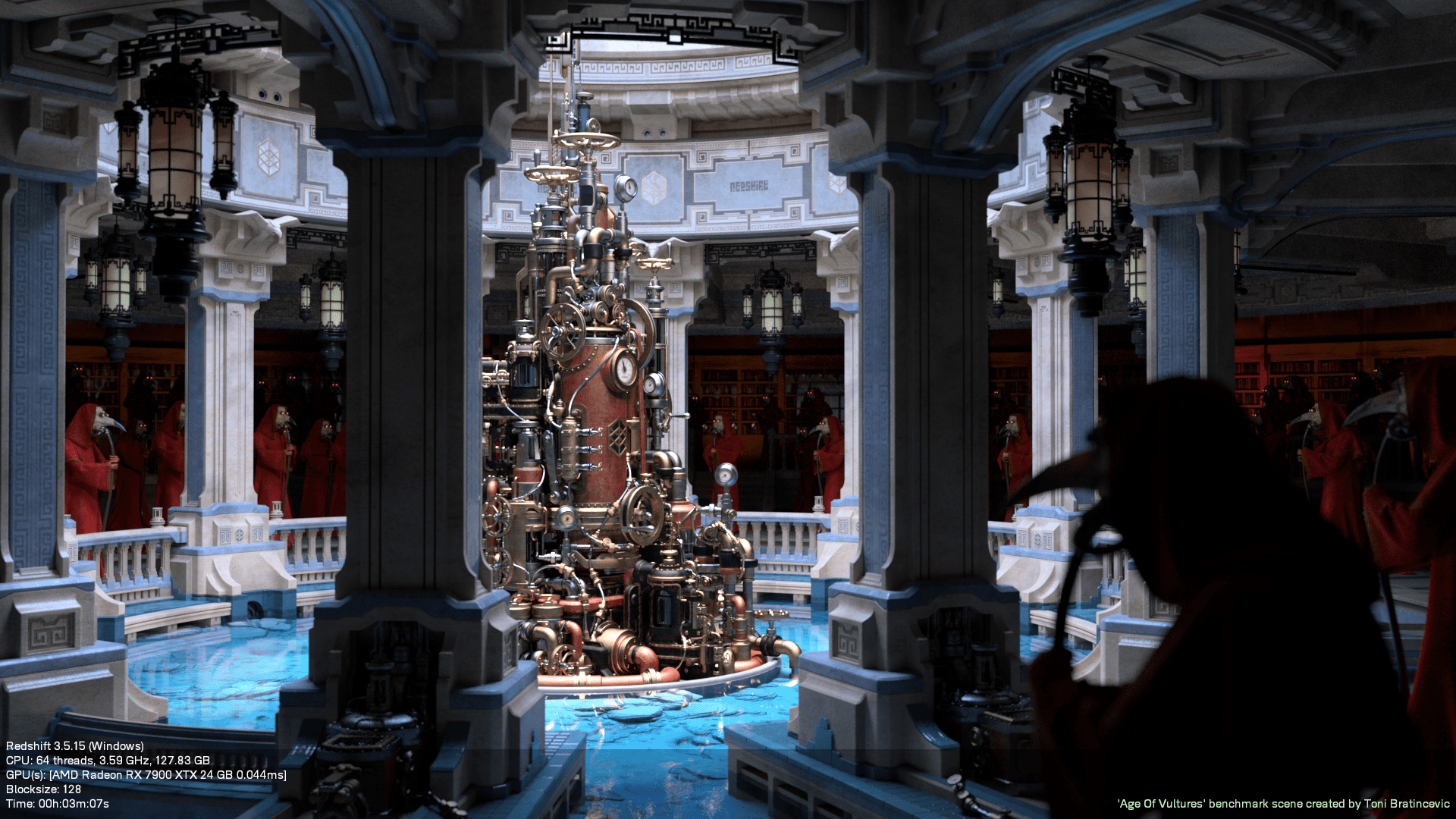
Maxon’s Redshift adds AMD GPU support. How do AMD’s video cards perform in the latest version of Redshift?
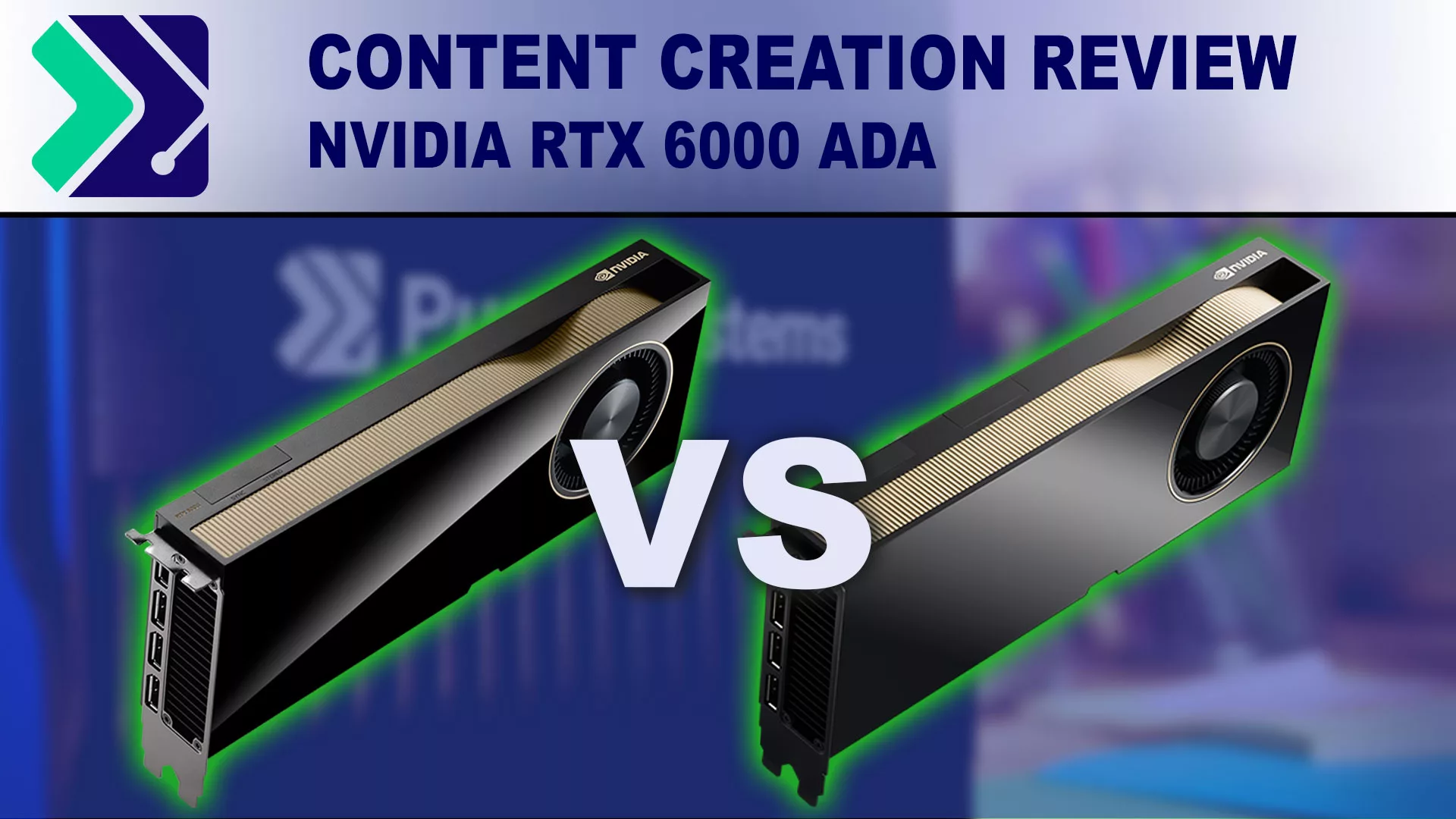
The NVIDIA RTX 6000 Ada is the latest addition to the NVIDIA’s professional family of GPUs. With cutting-edge hardware and the latest Ada Lovelace architecture and 48GB of VRAM, this GPU should be terrific for a wide range of content creation workflows.
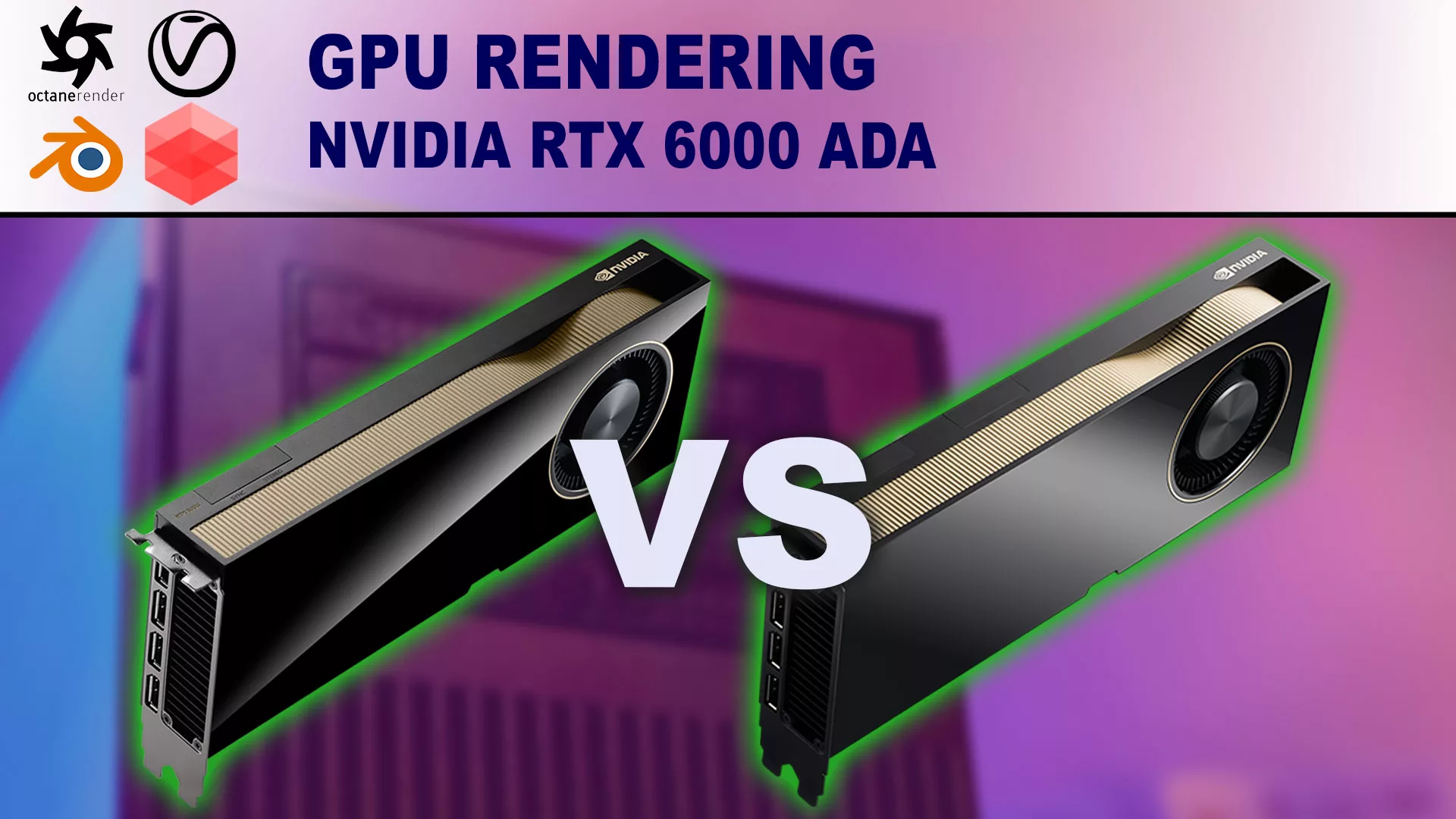
Following the new consumer GPUs, NVIDIA’s new professional video card, the RTX 6000 Ada Generation, is now available. They are often favored for GPU rendering due to their large VRAM and compact design. Just how much more performance do these new GPUs provide compared to the previous generation RTX cards?
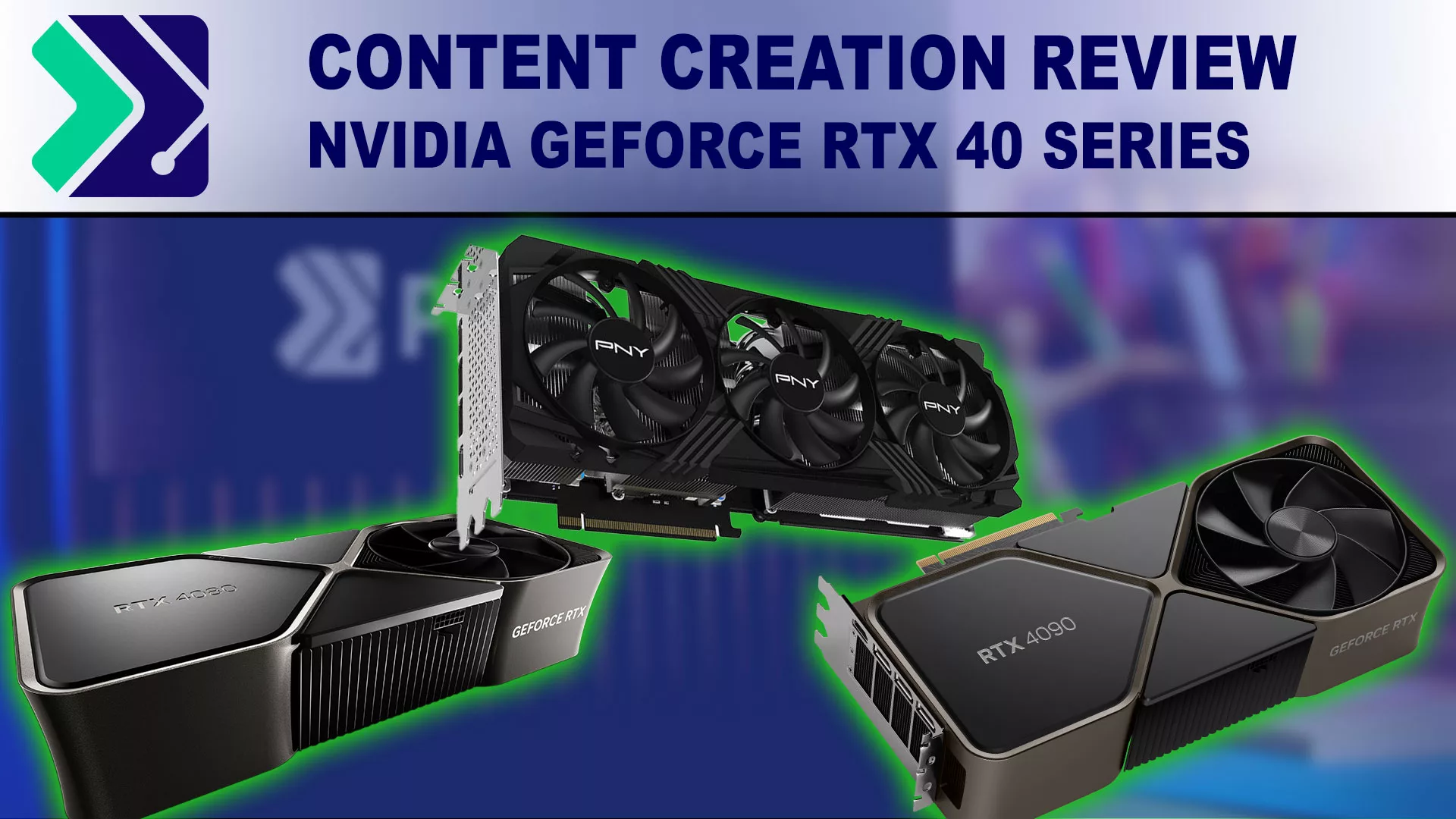
With the RTX 4070 Ti joining the RTX 4080 and 4090, NVIDIA has now completed the launch of the initial trio of their GeForce RTX 40 series of GPUs. How do these cards compare for various content creation workflows versus the previous generation RTX cards, and their competition from AMD?
Puget Systems builds custom PCs tailored for your workflow
Extensive in-house testing
making you more productive and giving you more performance for your dollar
Reliable workstations
with fewer crashes and blue screens means more time working, less time waiting on your computer
Support that understands
your complex workflows and can get you back up and running ASAP
Proven track record
check out our customer testimonials and Reseller Ratings
Select your workflow: