Unreal Engine 5 is the first major release from Epic since Unreal Engine 4 release 7 years ago. We take a look at what is new, and if it is ready for your project.
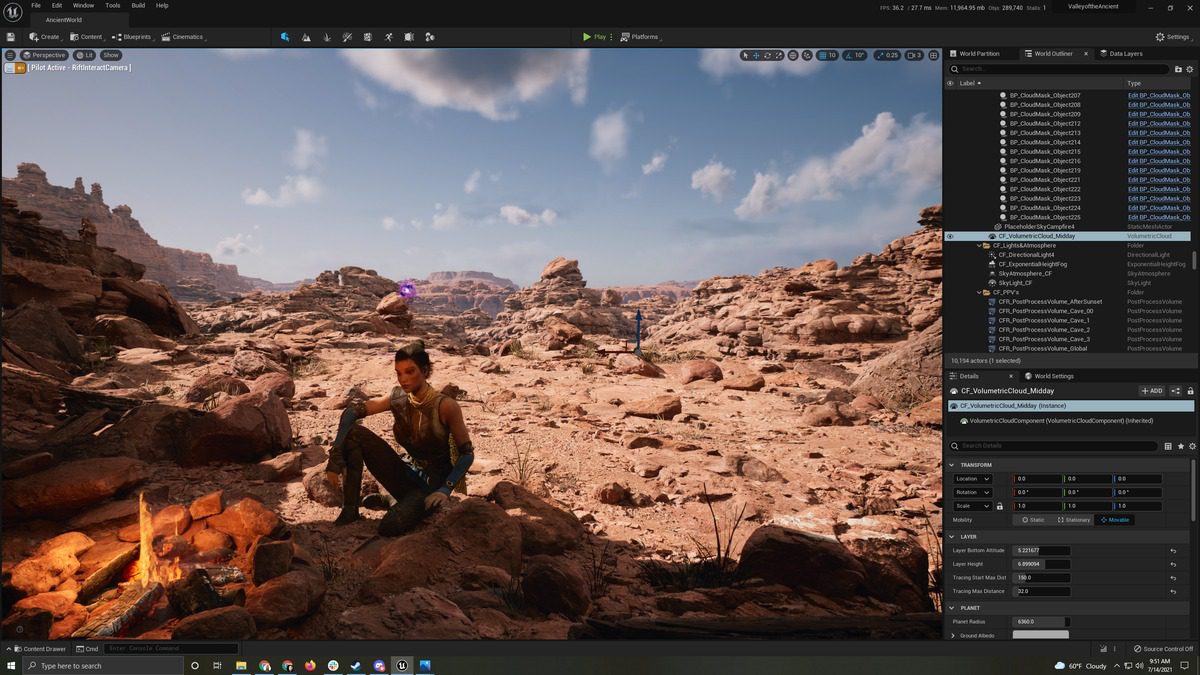
Unreal Engine 5 is the first major release from Epic since Unreal Engine 4 release 7 years ago. We take a look at what is new, and if it is ready for your project.
NVIDIA’s new GeForce RTX 3080 Ti is here, touting more performance and higher VRAM than the RTX 3080 – although with a larger price tag to match. The big question is exactly where this fits between the RTX 3080 and RTX 3090 for Unreal Engine.
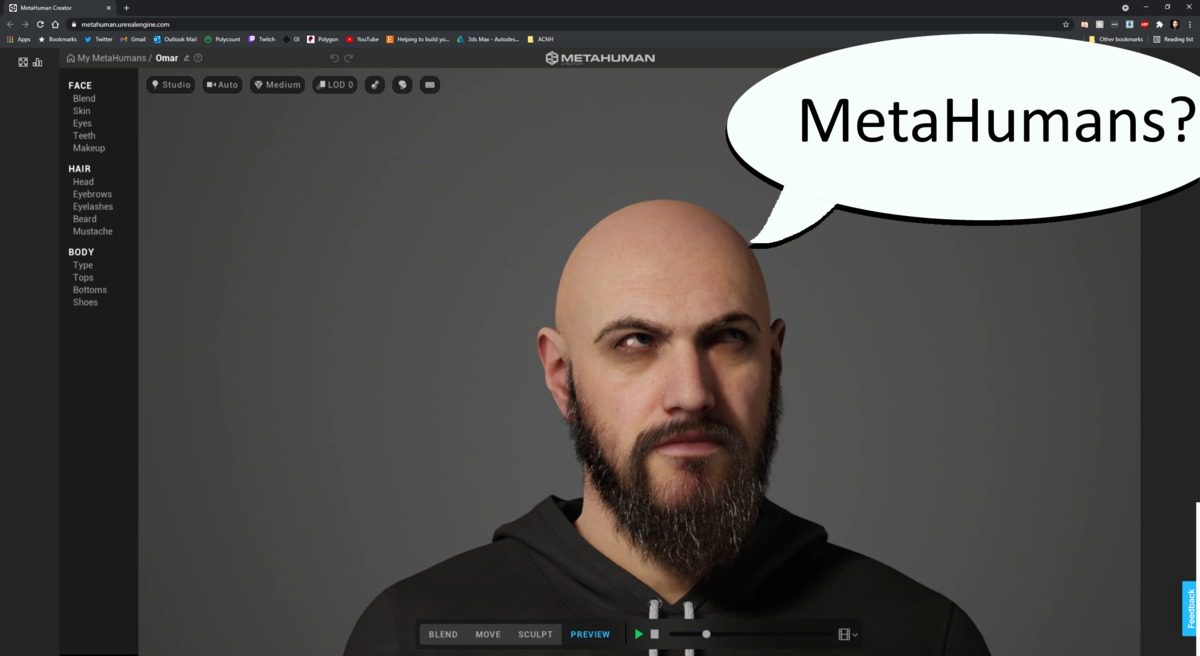
Epic released their MetaHuman Creator tool in early access. Let’s look past the social media hype and into what it actually offers, and who will be using it professionally.
Recently, Intel announced their new 11th Gen Intel Core desktop processors (code-named “Rocket Lake”). These new processors are marketed as having substantially better per-core performance compared to their previous 10th Gen Core models, however, their top-of-the-line CPU now has fewer cores. How will these new CPUs compare to AMD in Unreal Engine?
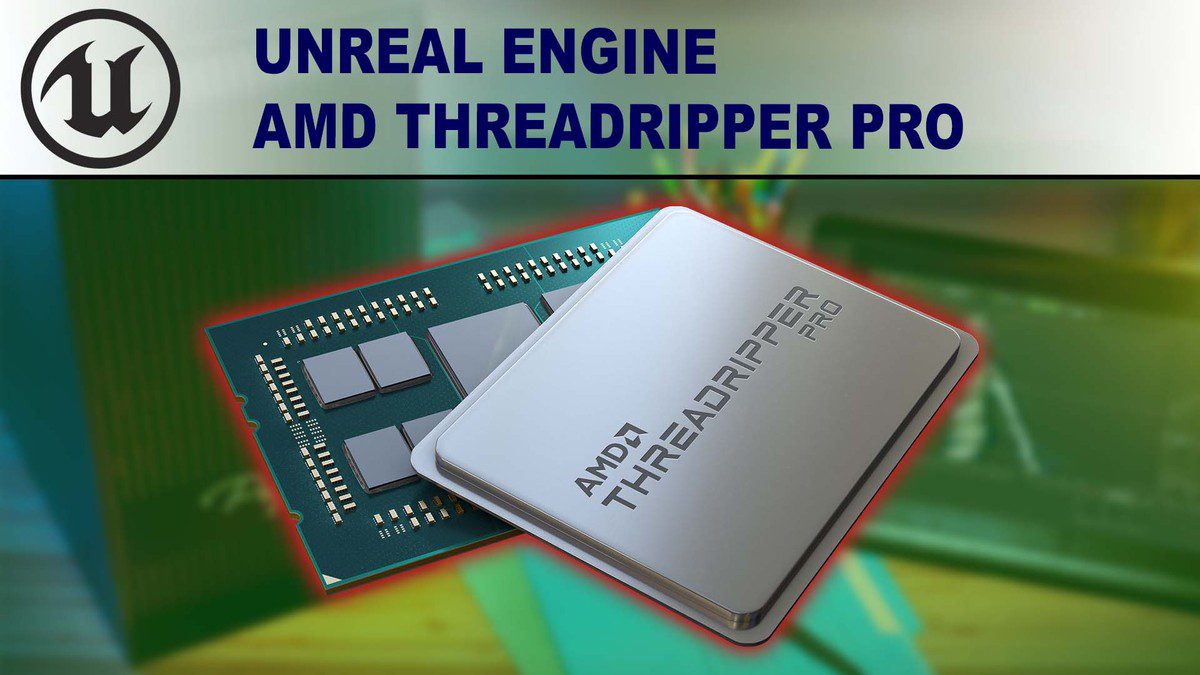
AMD’s new Threadripper Pro CPUs are here, combining many of the features from their Threadripper and EPYC CPU lines including increased memory and PCI-E capability. But are these extra features useful for Unreal Engine, or should you stick with the normal Threadripper processors?
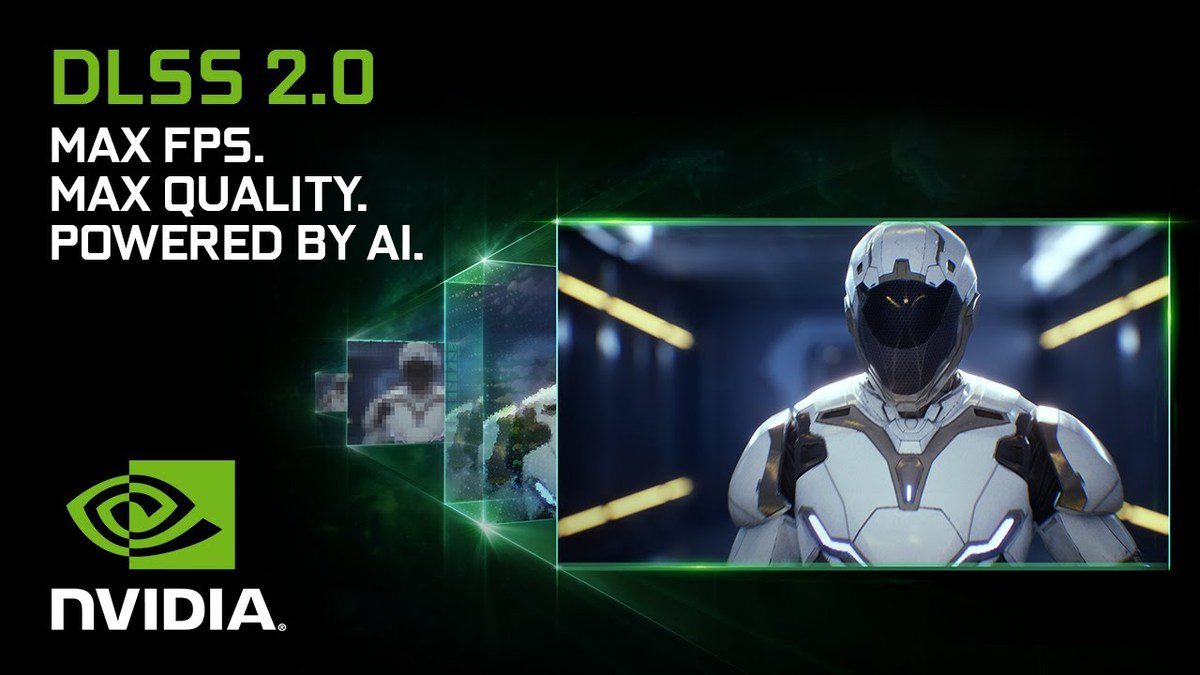
NVIDIA has long promised DLSS will make games run faster, while still looking good. Now users of Unreal Engine outside of game development can add this feature to their workflow with a free plugin. Does it perform as advertised, and will it be useful to Virtual Production or Architecture users?
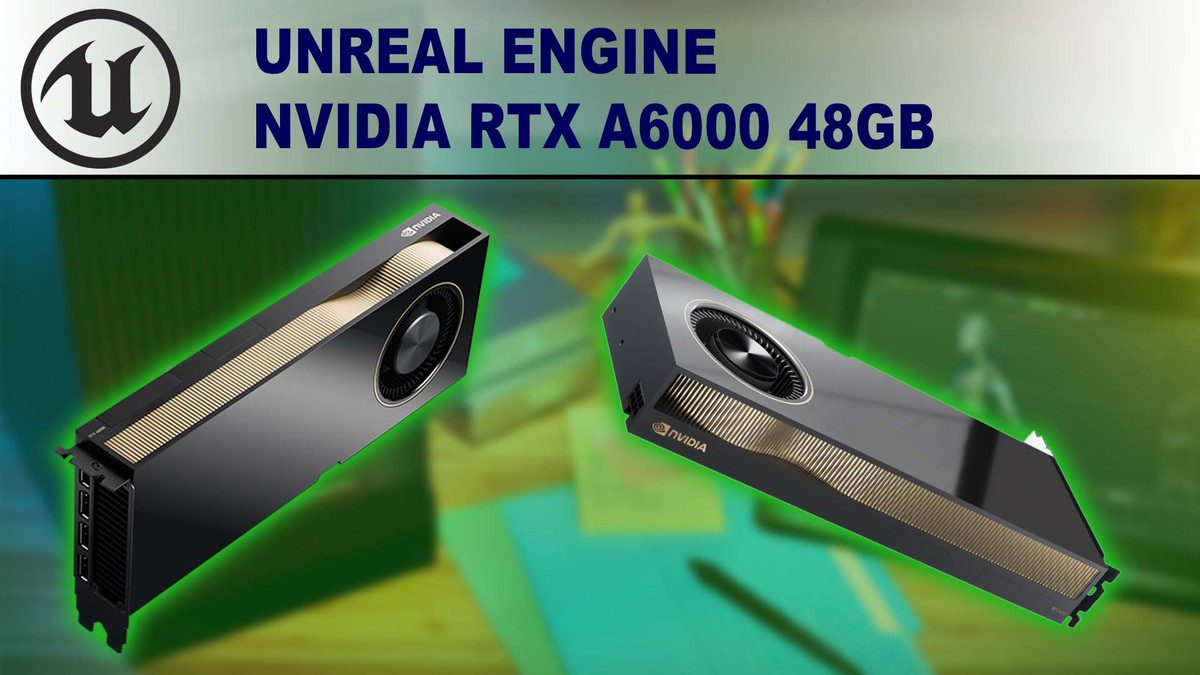
GPU performance is a key component of Unreal Engine. Many Virtual Production and ArchViz users require features only found in Nvidia’s professional line of video cards. With the release of the new Nvidia RTX A6000, we can finally see what the latest professional hardware can offer.
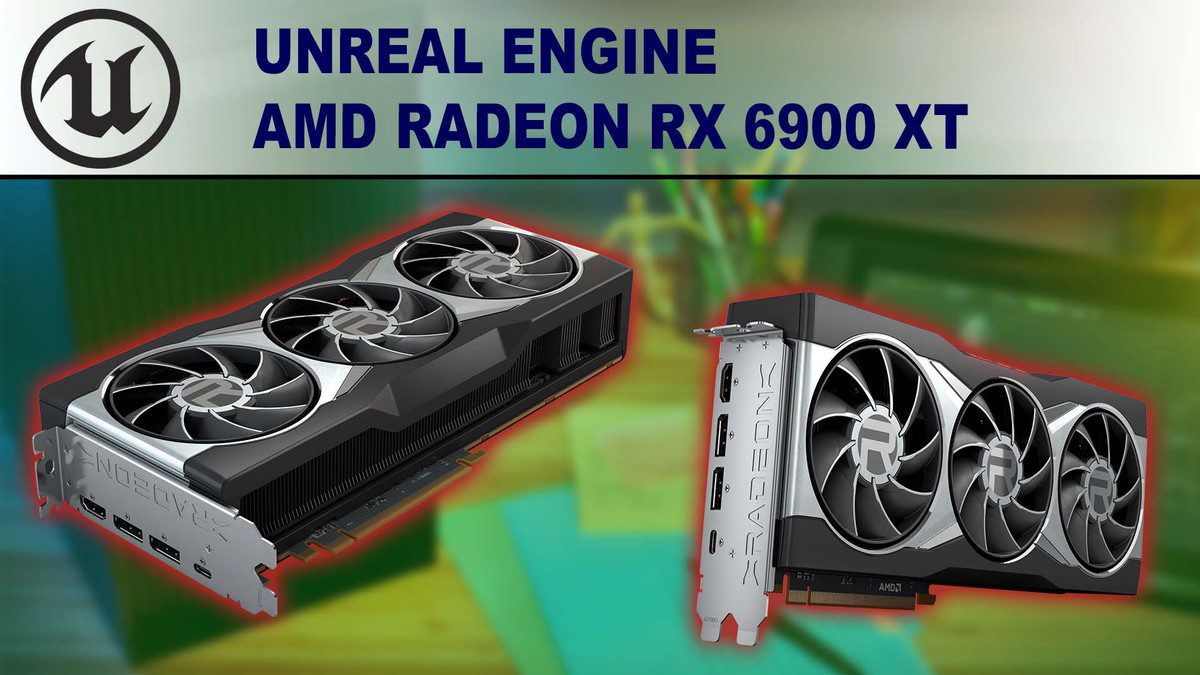
GPU performance is a key component to Unreal Engine, especially for Virtual Production and ArchViz workflows. AMD’s newest GPU, the Radeon RX 6900 XT has arrived with 16GB of VRAM. We can finally see how this card performs in professional workflows, both with and without ray tracing.
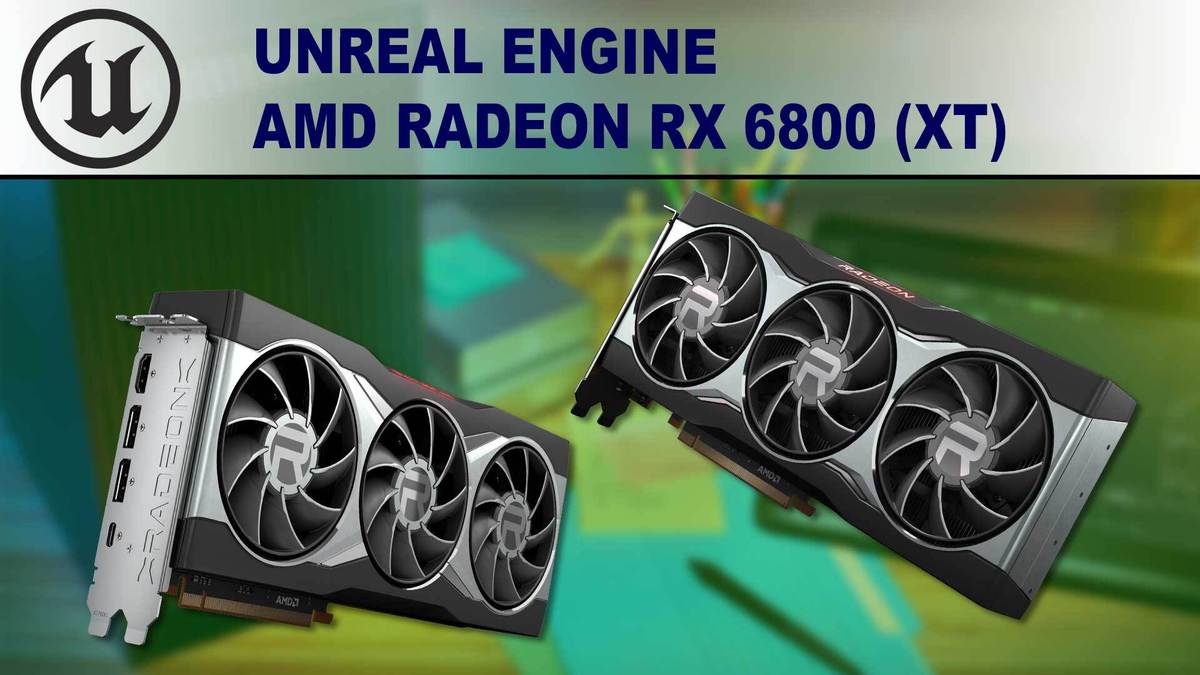
AMD’s new Radeon graphics cards promise great gaming performance. But how to they stack up in Virtual Production or ArchViz workloads? And is Unreal Engine ready for these new cards?
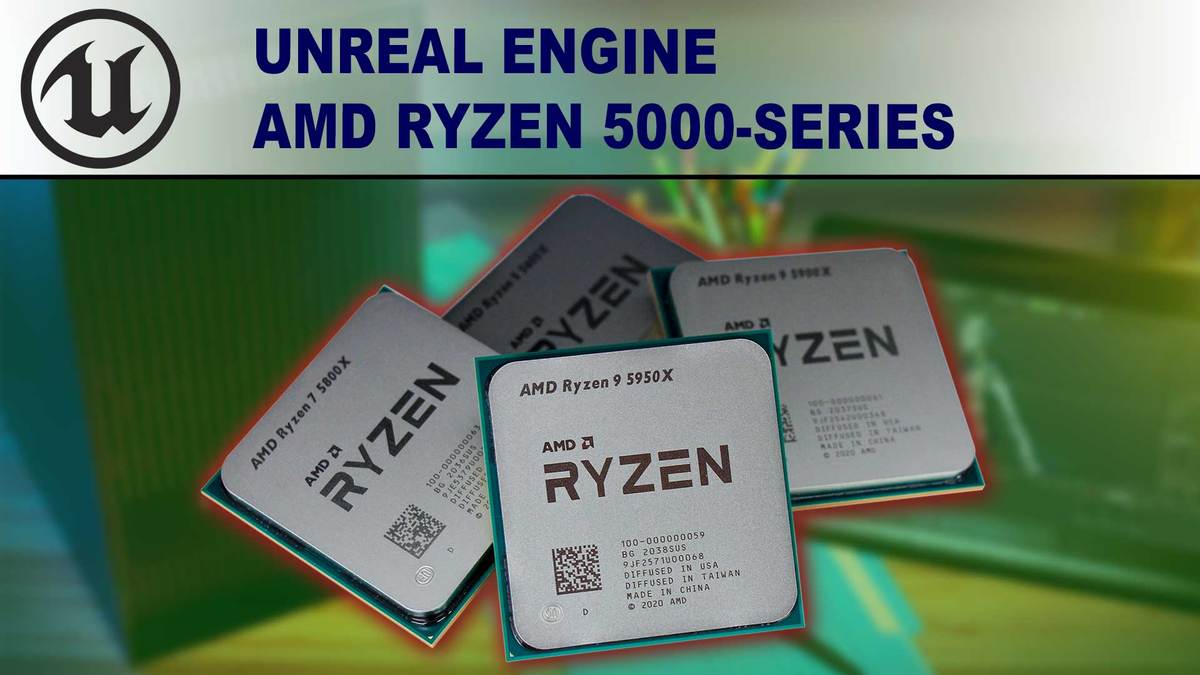
Unreal Engine has grown by leaps and bound over the years, with more and more industries developing new workflows in it. AMD has released their new Ryzen 5000 Series, so we’ll see if they can improve those workflows and how they stack up to competing CPUs from Intel.
Puget Systems builds custom workstations, servers and storage solutions tailored for your work.
We provide:
Extensive performance testing
making you more productive and giving better value for your money
Reliable computers
with fewer crashes means more time working & less time waiting
Support that understands
your complex workflows and can get you back up & running ASAP
A proven track record
as shown by our case studies and customer testimonials