Apple has recently launched MacBook Air and Pro models using the new Apple M1 chip based on the Arm instruction set. While we do not usually examine performance for laptops, we wanted to see how these new chips compare to a desktop PC.

Apple has recently launched MacBook Air and Pro models using the new Apple M1 chip based on the Arm instruction set. While we do not usually examine performance for laptops, we wanted to see how these new chips compare to a desktop PC.
With the initial launches in NVIDIA’s GeForce RTX 30 Series complete, and availability getting better, it is time to look at how well these cards scale in multi-GPU configurations for rendering within Redshift, OctaneRender, and V-Ray.
AMD has three current chipsets for their mainstream Ryzen processors, each targeting a different segment of the market with appropriate features and pricing. What is the difference between each of these chipsets, though? Knowing that can help make sure you get the right motherboard for your next workstation PC.
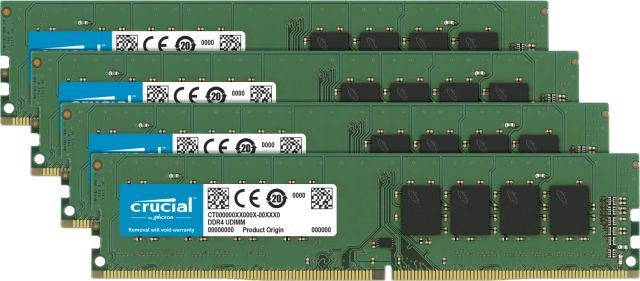
Here at Puget Systems, we have tried to be careful about sticking to CPU manufacturer memory specifications – to ensure the best reliability, and to avoid overclocking memory controllers (which could, technically, violate CPU warranties). But increasingly complicated memory speed support schemes on many newer processors, combined with a lack of supply of certain speed modules, has forced us to adopt a new approach to what we offer in our workstations.
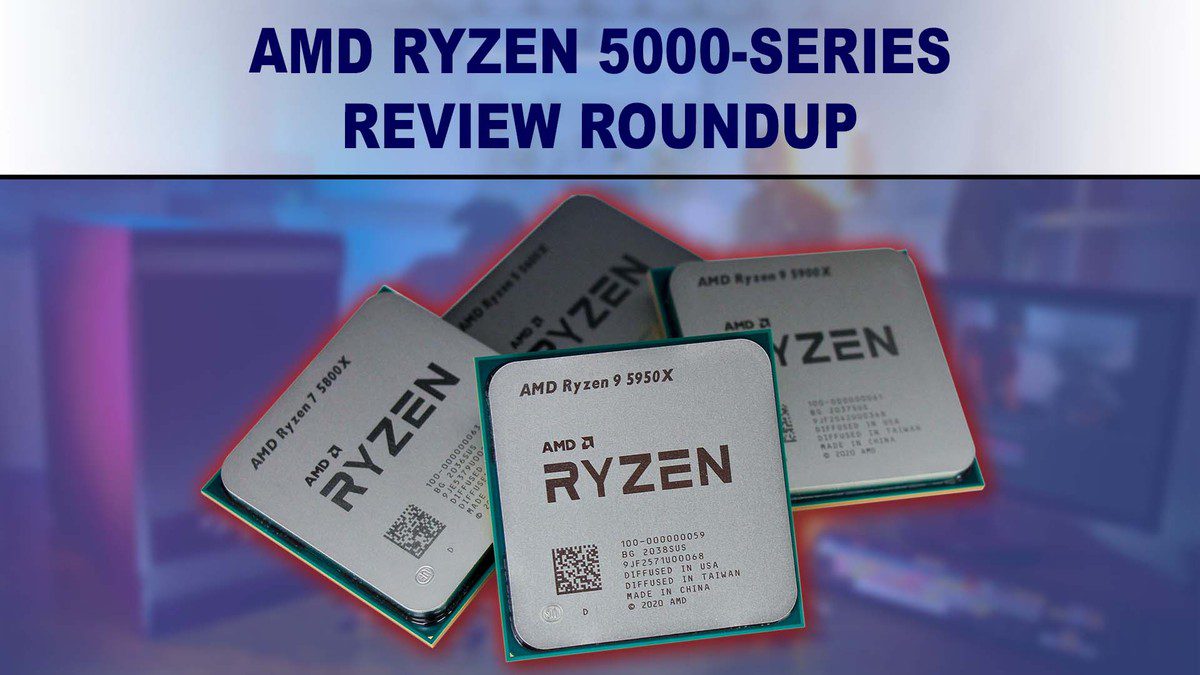
AMD’s new Ryzen 5000 Series processors are here, with significant improvements including an advertised 19% improvement in IPC (instructions per clock). This should result in large performance gains across the board, but exactly how well do these CPUs perform in the real world?
AMD is giving us the first taste of their new Zen 3 microarchitecture in the form of four Ryzen 5000 Series CPUs. This generation is supposed to have dramatically faster per-core performance than previous AMD processors, so what sort of impact does that have on CPU-based rendering engines like Chaos Group’s V-Ray? And how do these new models fare against other AMD and Intel processor families?
AMD’s has launched the Ryzen 5000 Series, bringing with it the updated Zen 3 microarchitecture and substantial performance improvements over the previous generation. How much of an impact do those changes have on rendering in Cinema 4D? And what can we expect with regard to modeling and animation performance in the viewport?
With the launch of the Ryzen 5000 Series, AMD has brought their updated Zen 3 microarchitecture to mainstream desktop computers. They claim these CPUs have substantial performance per clock improvements over the previous generation. Does that impact photogrammetry processing in RealityCapture? And if so, how do these new chips stack up against other AMD and Intel models?
AMD has brought their new Zen 3 microarchitecture to mainstream processors with the Ryzen 5000 Series. These chips range from 6 to 16 cores, and are supposed to bring substantial performance improvements over the previous generation. How much impact will this have on processing times in Agisoft Metashape, and how do these CPUs compare to other AMD and Intel models?
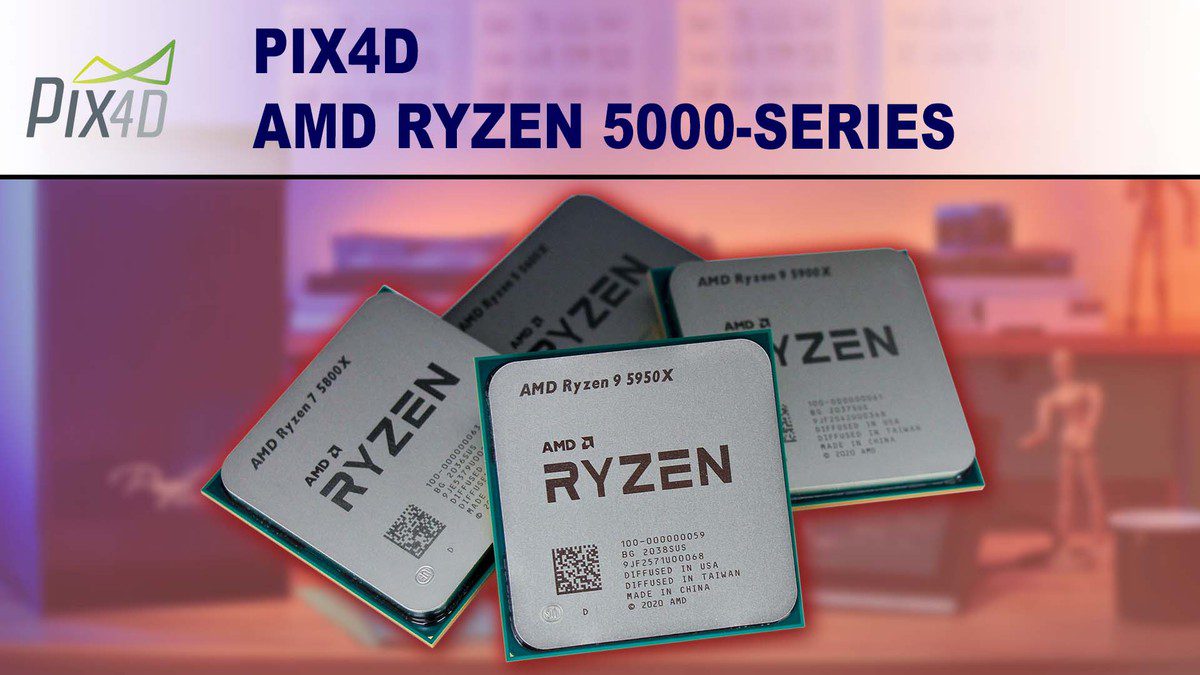
AMD’s Ryzen 5000 Series processors have launched, with their updated Zen 3 microarchitecture bringing substantial performance improvements over the previous generation. How does this update impact processing times in Pix4D, and how do the new CPUs it stack up against other AMD and Intel models?
Puget Systems builds custom workstations, servers and storage solutions tailored for your work.
We provide:
Extensive performance testing
making you more productive and giving better value for your money
Reliable computers
with fewer crashes means more time working & less time waiting
Support that understands
your complex workflows and can get you back up & running ASAP
A proven track record
as shown by our case studies and customer testimonials