The NVIDIA GeForce GTX 980 4GB is a very interesting card in that it really isn’t that much faster than the cards already available, but it has a dramatically lower power draw – 80W less than the GTX 780 or GTX 780Ti.
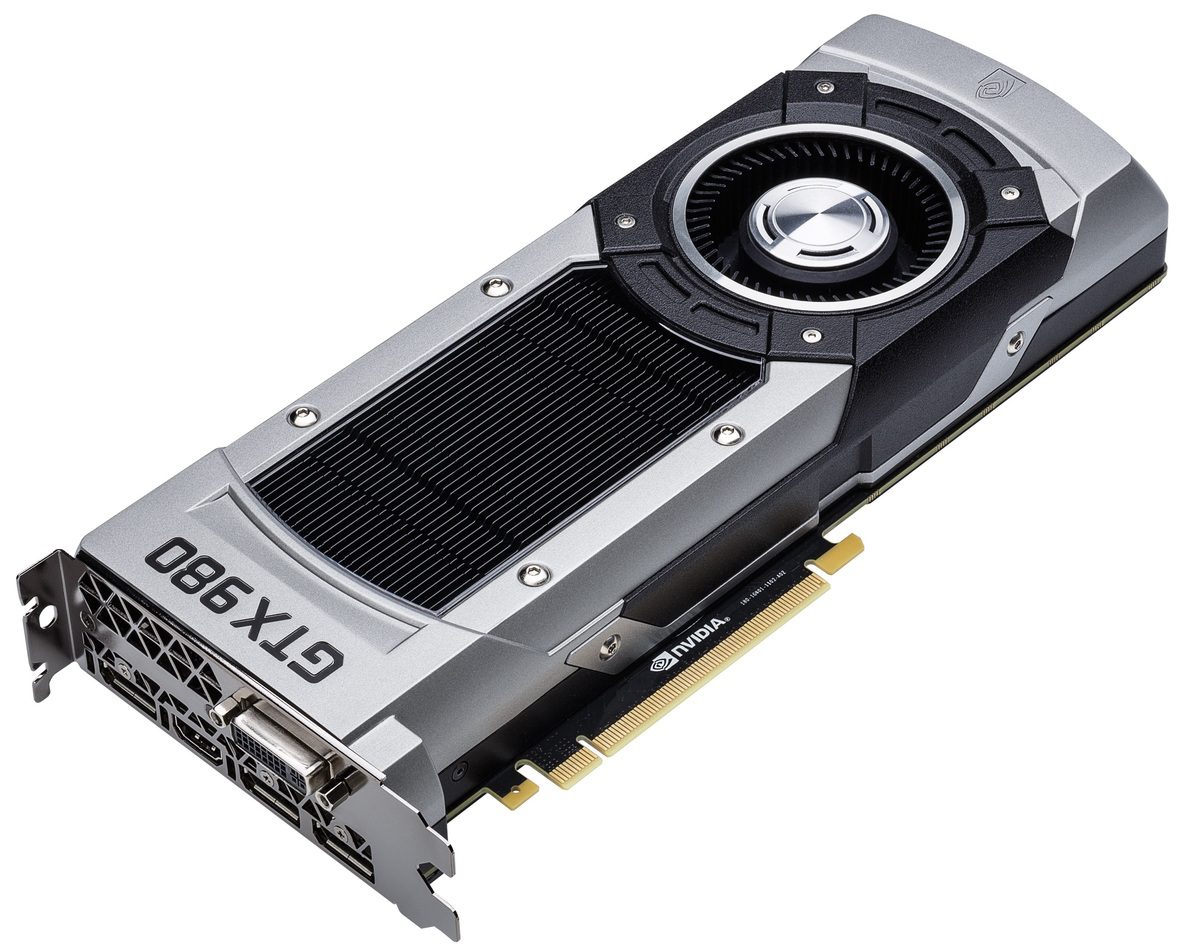
The NVIDIA GeForce GTX 980 4GB is a very interesting card in that it really isn’t that much faster than the cards already available, but it has a dramatically lower power draw – 80W less than the GTX 780 or GTX 780Ti.
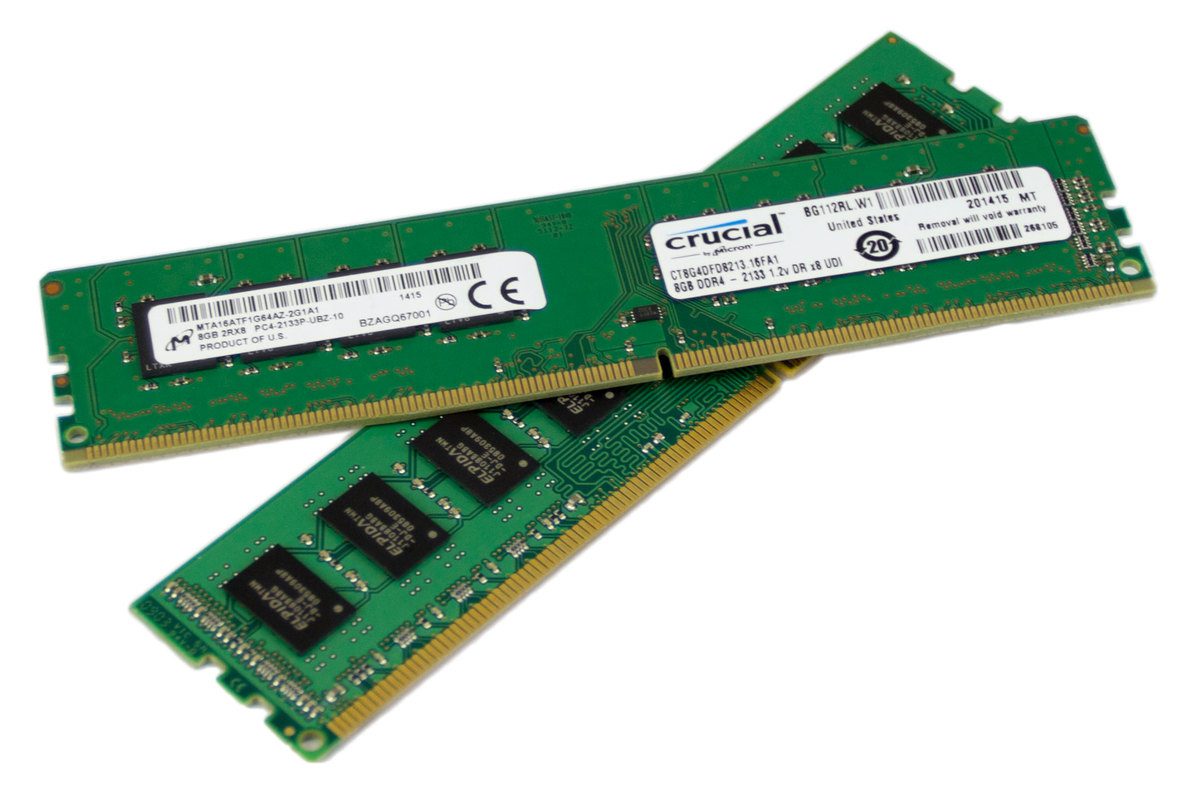
DDR3 is almost seven years old, but is finally starting to be replaced with the new DDR4 memory. Featuring lower operating voltages, higher frequencies, and increased storage densities DDR4 is shaping up to be a very capable successor to the aging DDR3.
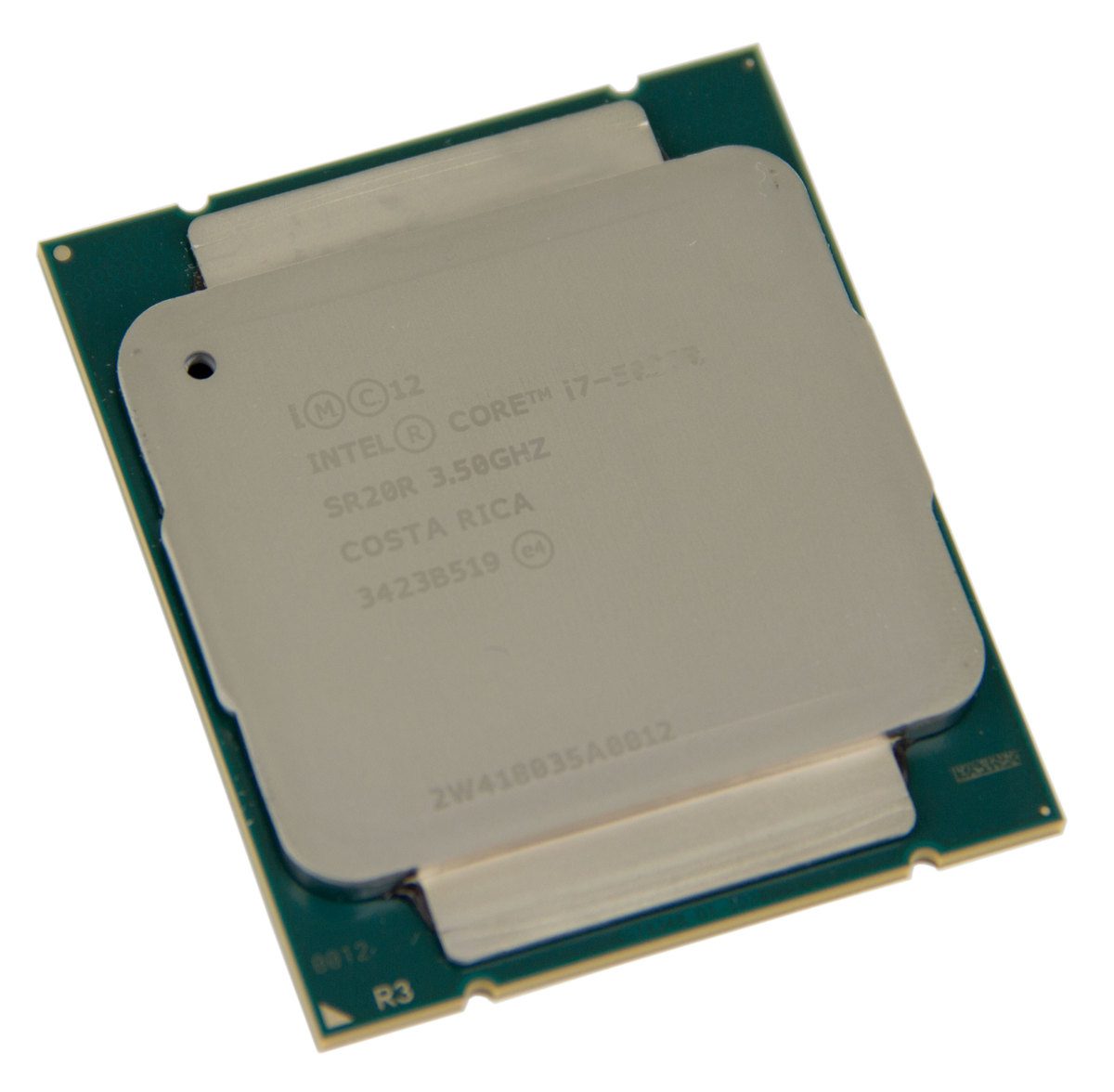
Typically, a new CPUs is faster than it’s predecessor – it is just a question of whether is it by a little or a lot. The new Intel 5960X, however, is not typical because it sacrifices clock speed in order to add more cores. In this article we want to run a wide variety of benchmarks to find out what applications benefit from the additional cores and which suffer from the drop in clock speed.
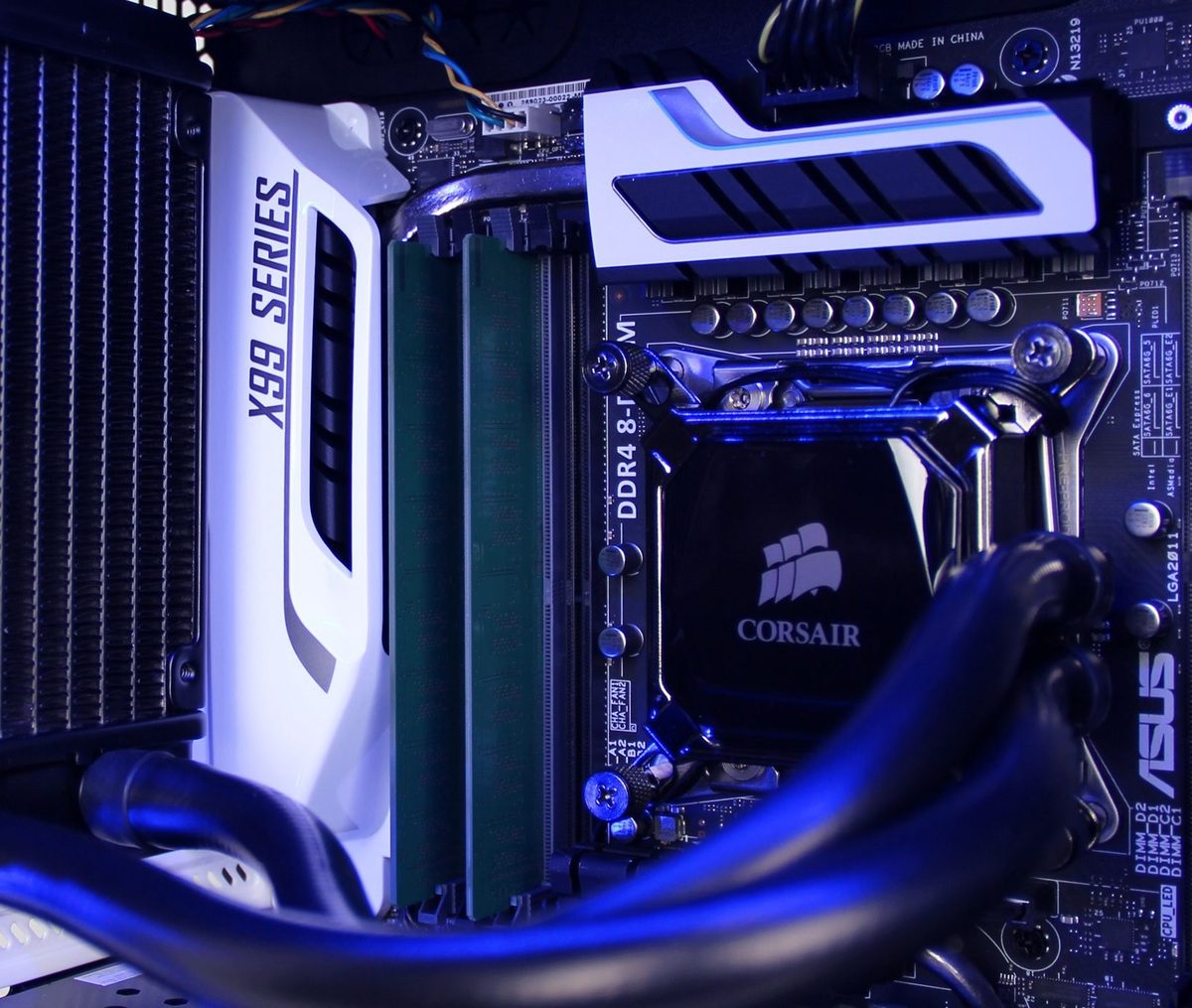
The X99 chipset is a major improvement over X79 adding native USB 3.0 support, more SATA 6Gb/s ports, DDR4 support, and plenty of other little updates. Haswell-E also adds a lot of improvements, but has an overall drop in core frequency that makes it not as clearly better than Ivy Bridge-E.
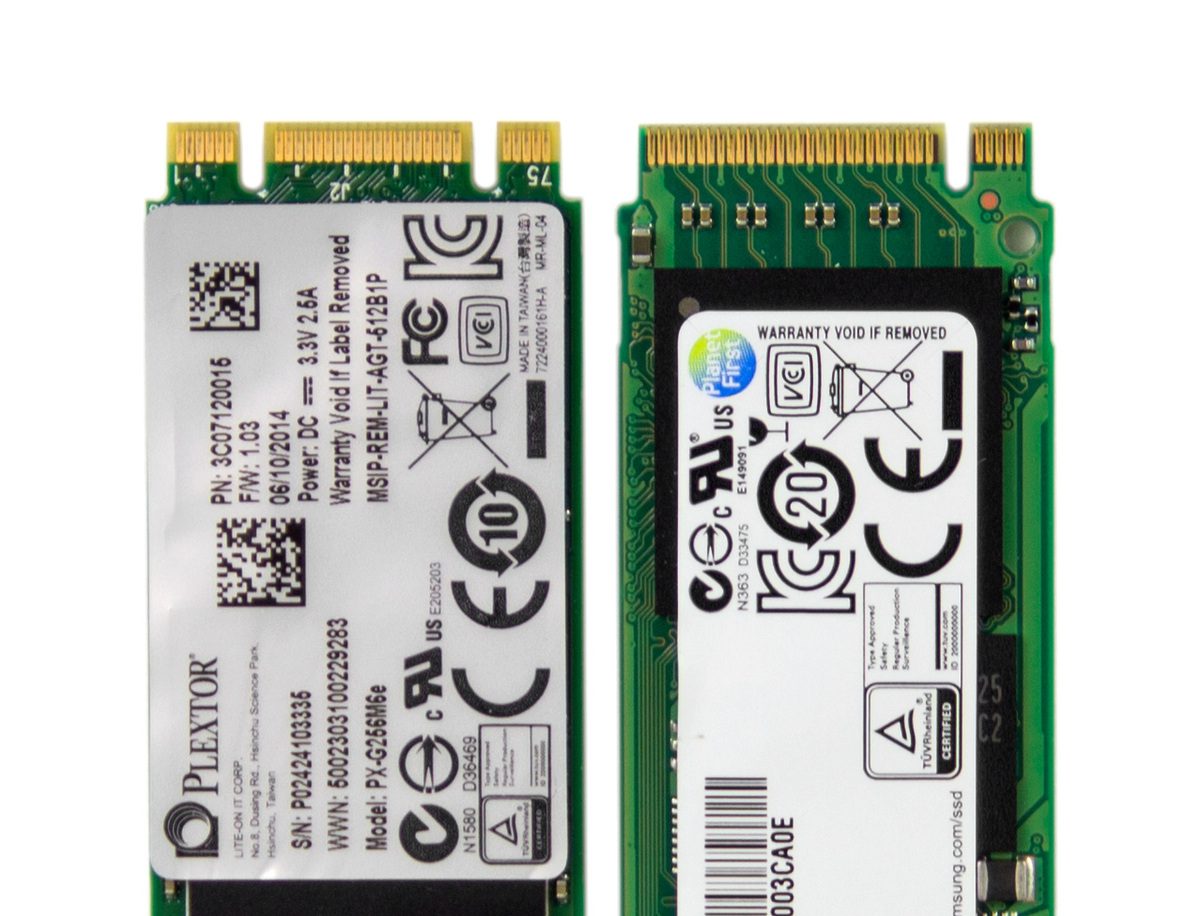
M.2 is a new form of connectivity that allows a SSD to connect directly to the PCI-E bus allowing for theoretical speeds as high as 2GB/s. However, M.2 drives are complicated in that they allow for a variety of physical dimensions, connectors, and even multiple logical interfaces. To help our customers understand the nuances of M.2 drives, we decided to publish this overview of M.2 SSDs.
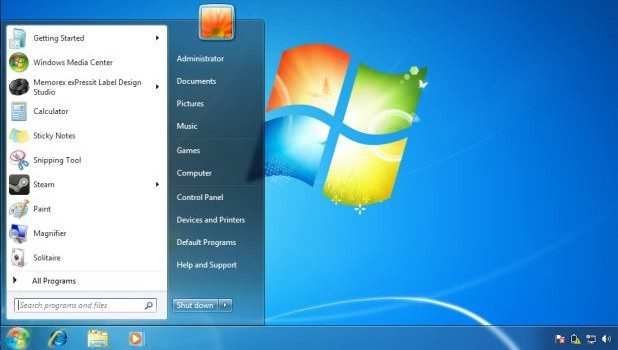
We’ve been hearing from a regular stream of customers who are making the move from Mac OS X to Windows, and they often have questions about how to perform basic tasks on their new Puget Systems PC running Windows 7 or Windows 8.1. So we created this Start Guide to help them around their new desktop.
We recently published the article Multi-headed VMWare Gaming Setup where we used VMWare ESXI to run four virtual gaming machines from a single PC. The setup worked great and the article was very popular, but one limitation we found was that NVIDIA GeForce cards cannot be used as passthough devices in VMWare ESXI. We received feedback from some readers that GeForce cards should work in Linux with KVM (Kernel-based Virtual Machine) so we set out to make a GeForce-based multiheaded gaming PC using Ubuntu 14.04 and KVM.
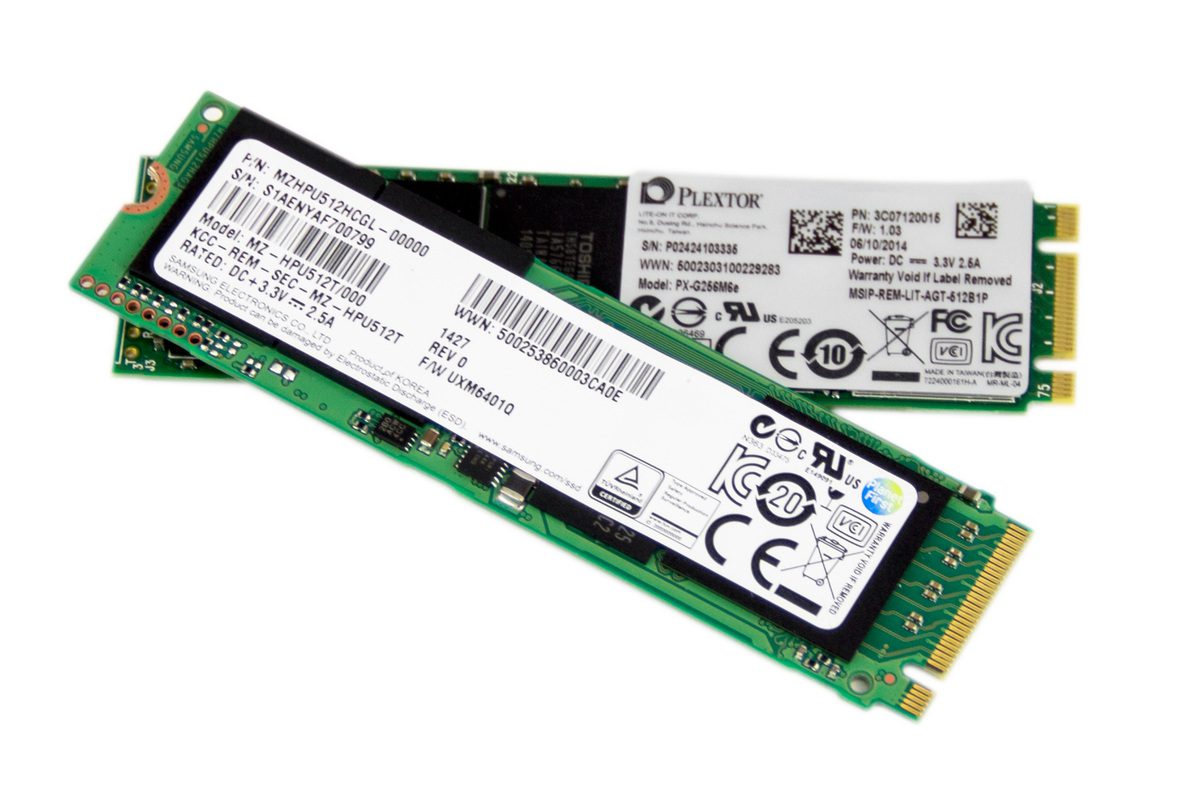
M.2 is a new form of connectivity for SSD drives that allows them to connect directly to the PCI-E bus rather than going through a SATA controller. By bypassing the SATA controller a M.2 drive can have a theoretical maximum throughput as high as 2GB/s which is over three times faster than the 600MB/s SATA is limited to! Unfortunately, temperature and motherboard compatibility is a major issue with these M.2 drives.
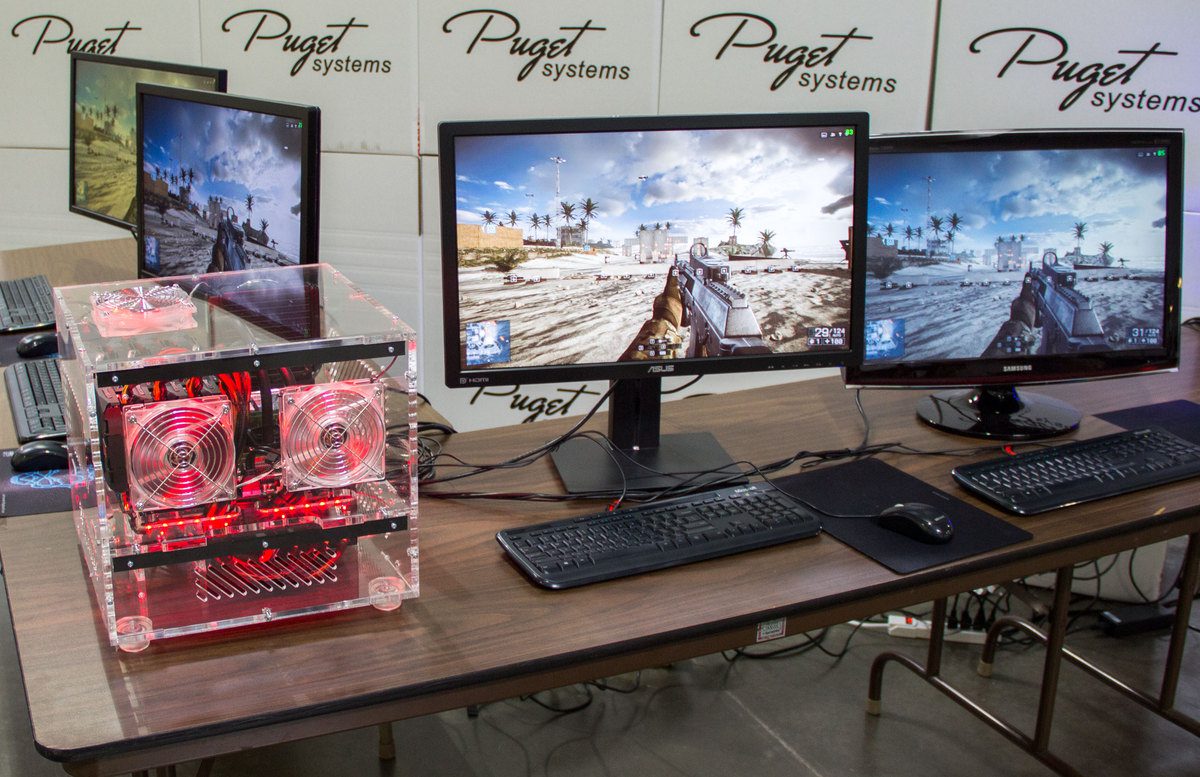
As powerful as modern PCs are, sometimes it feels like a waste having just a single person using a PC at a time. By using various server virtualization technologies including virtual machines and PCI passthrough, we created a multi-headed gaming PC that allows up to four users to game on one physical PC at the same time.
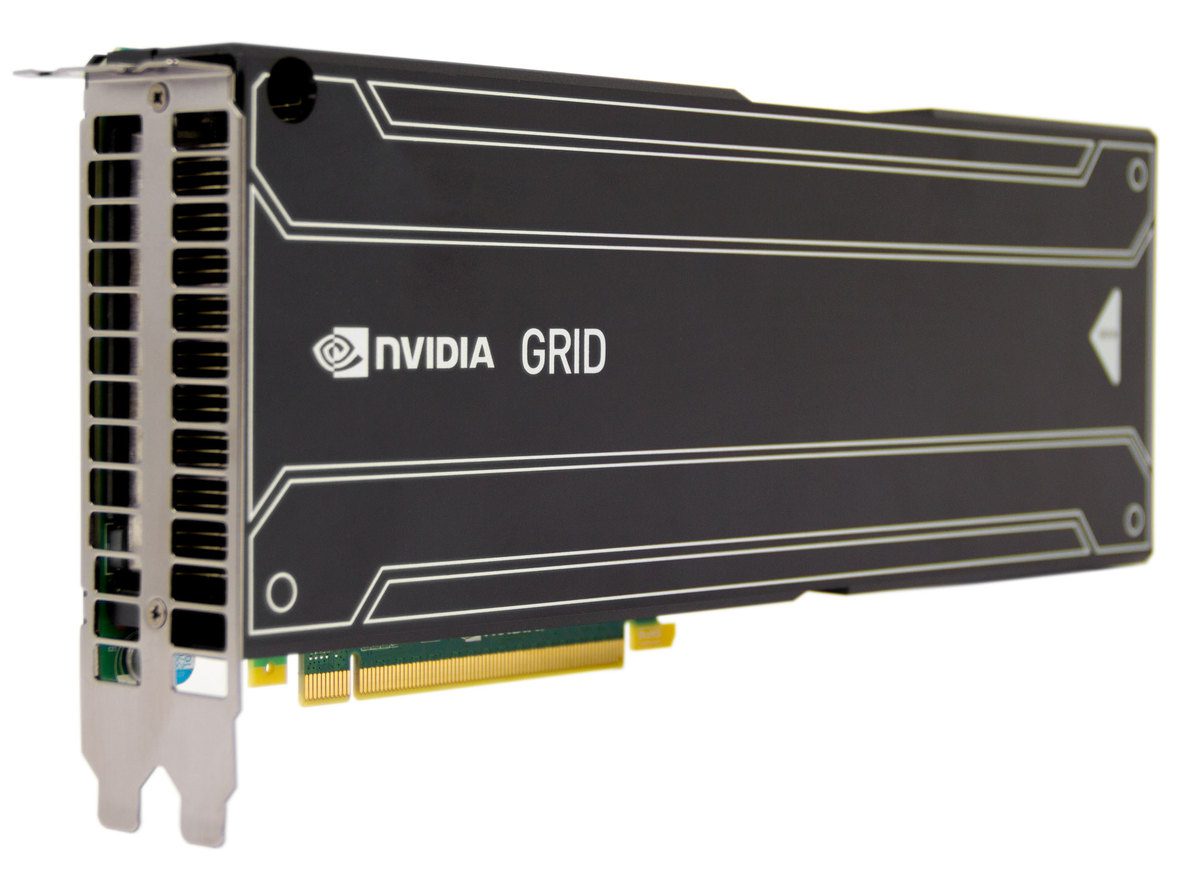
Virtual desktops with NVIDIA GRID offer a great way to provide users with tons of computing performance without the need for each user to have their own individual PC. We took the time to setup and use a virtual desktop for a variety of applications to see if we think virtual desktops will be the future of computing or if they will simply be another niche technology.
Puget Systems builds custom workstations, servers and storage solutions tailored for your work.
We provide:
Extensive performance testing
making you more productive and giving better value for your money
Reliable computers
with fewer crashes means more time working & less time waiting
Support that understands
your complex workflows and can get you back up & running ASAP
A proven track record
as shown by our case studies and customer testimonials