Does moving from 7200 MT/s RAM to 5600 MT/s on the Core Ultra 7 270K Plus and Core Ultra 5 250K Plus affect how they compare with other processors?
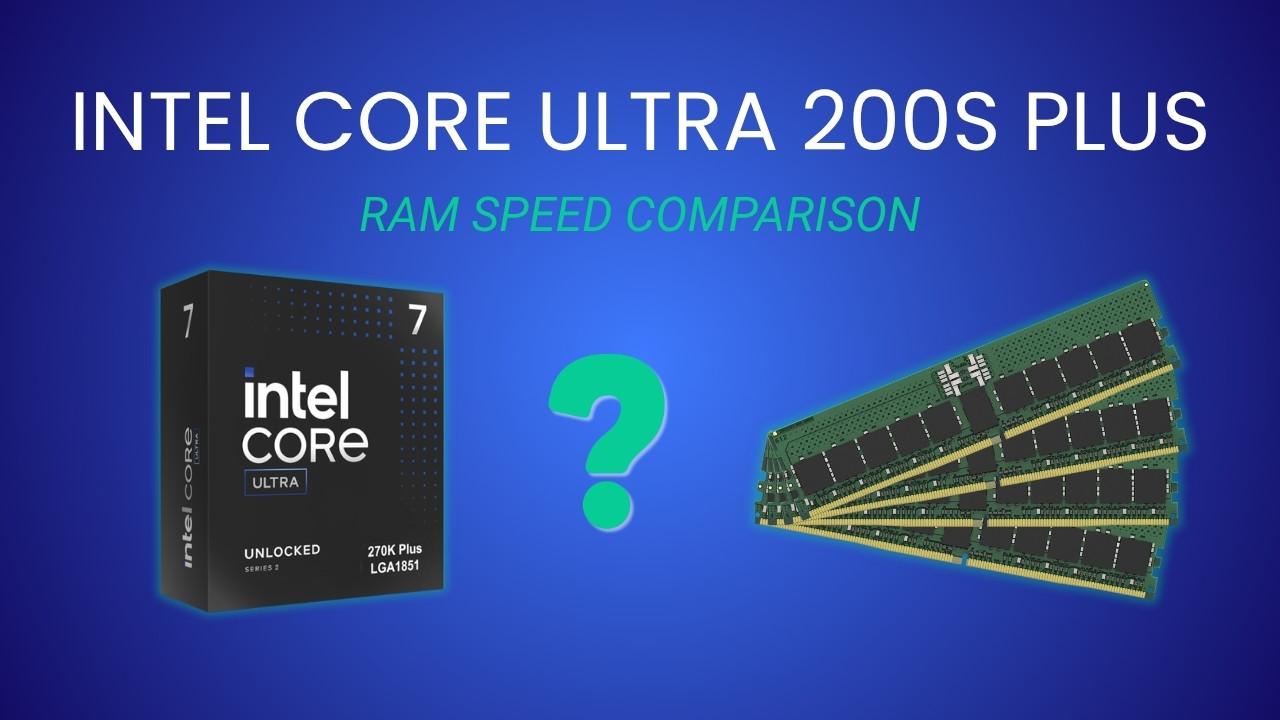
Does moving from 7200 MT/s RAM to 5600 MT/s on the Core Ultra 7 270K Plus and Core Ultra 5 250K Plus affect how they compare with other processors?
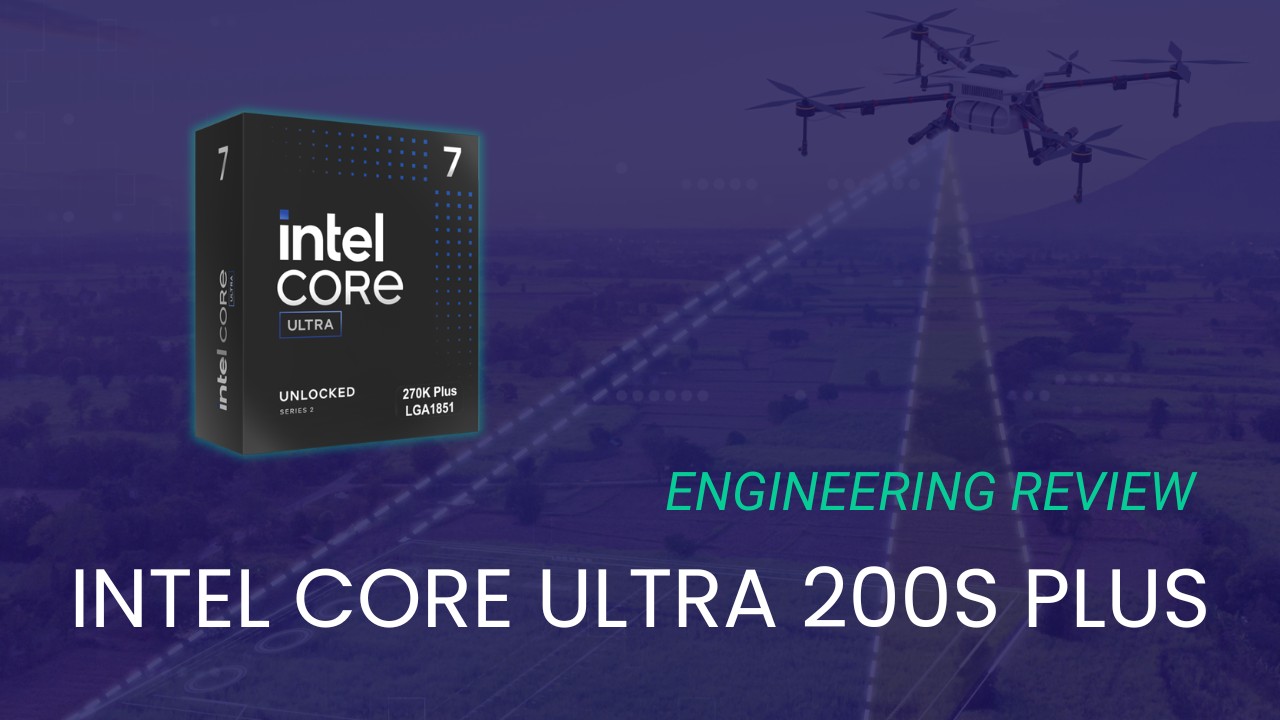
We put Intel Core Ultra 7 270K Plus and Core Ultra 5 250K Plus to the test against prior-gen and AMD’s Ryzen 9000 in CAD and photogrammetry applications.

4 DIMM configurations on consumer CPUs increase memory capacity but reduce RAM speed. How does that impact content creation and professional workflows?

With RTX PRO Blackwell cards now available, we tested workstation GPUs from AMD, Intel, and NVIDIA to see how they perform in engineering applications.

We explored the impact of different CPUs and GPUs on PIX4Dmatic performance, as well as comparing a few laptops and an older desktop against modern PCs.
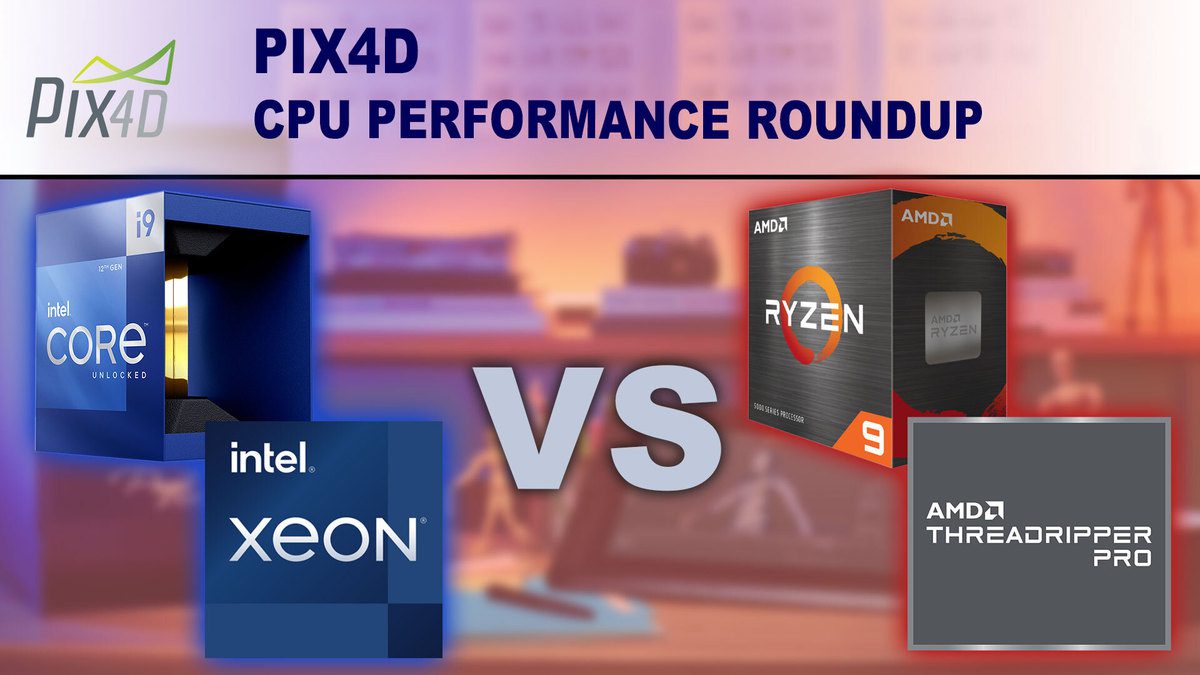
Intel’s 12th Gen Core desktop processors launched toward the end of 2021, as did Windows 11, making this a great time to do a roundup looking at CPU performance in Pix4D across a wide range of different processor lines. How does Intel’s new Core i9 12900K stack up against AMD’s Ryzen 5000 Series, Threadripper, and Threadripper Pro chips – as well as Intel’s own 11th Gen Core, Xeon W, and Core X Series?
In an attempt to make their GeForce line of consumer video cards less appealing to crypto miners, NVIDIA has updated many of their GPUs with “lite hash rate” versions. These are supposed to reduce effectiveness for mining of currencies like Etherium by about 50%, without impacting game performance or other applications, but to be sure of that we put a pair of GeForce RTX 3070 cards – one with LHR and one without – to the test.
What are the best specifications for a Pix4D photogrammetry workstation at the end of 2020 and going into the start of a new year?
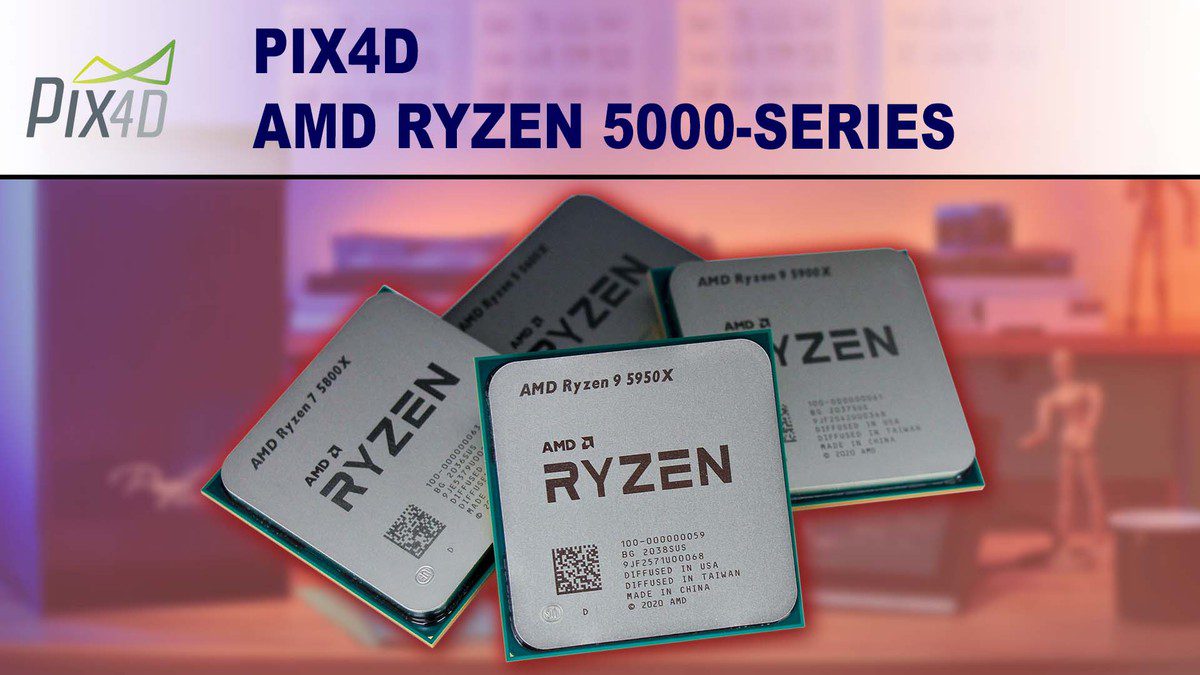
AMD’s Ryzen 5000 Series processors have launched, with their updated Zen 3 microarchitecture bringing substantial performance improvements over the previous generation. How does this update impact processing times in Pix4D, and how do the new CPUs it stack up against other AMD and Intel models?
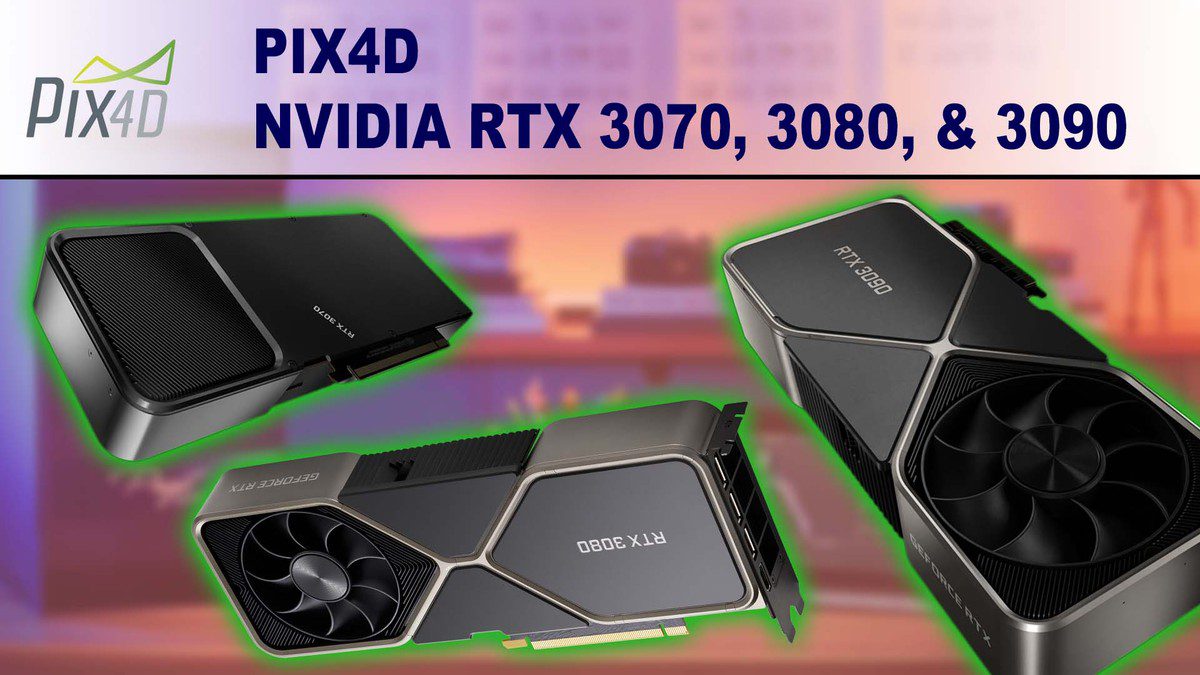
The first cards in NVIDIA’s GeForce RTX 30 Series launched earlier this fall, and now the RTX 3070 has finally joined its bigger siblings. How does it compare to the RTX 3080 and 3090? And how do they all fare against the previous generation of GeForce and Titan cards? In this article we take a look at how these all stack up in Pix4D.
Puget Systems builds custom workstations, servers and storage solutions tailored for your work.
We provide:
Extensive performance testing
making you more productive and giving better value for your money
Reliable computers
with fewer crashes means more time working & less time waiting
Support that understands
your complex workflows and can get you back up & running ASAP
A proven track record
as shown by our case studies and customer testimonials