Premiere Pro is often touted as greatly benefiting from high core count CPUs. In this article we will be benchmarking the multi-threading capabilities of Premiere Pro CC to determine if it actually is at using high core count CPUs.

Premiere Pro is often touted as greatly benefiting from high core count CPUs. In this article we will be benchmarking the multi-threading capabilities of Premiere Pro CC to determine if it actually is at using high core count CPUs.
Skylake-S introduces a number of changes compared to Haswell that makes it fairly attractive as a platform including the move to DDR4 RAM. It also uses less power, runs cooler, and has some very significant performance improvements in some applications.
As we move more and more of our workstation systems to Xeon CPUs, we sometimes get asked why we are using server CPUs instead of the “faster” Core i7 CPUs. In this article we will be going over what makes Xeon E5 and Core i7 CPUs different and whether one is actually faster than the other.

With hundreds of CPU models available, it can be a daunting task to determine which CPU will give you the best performance in Lightroom. In this article we will be examining the multi-threading capabilities of Lightroom CC and Lightroom 6 to determine whether a CPU with a high frequency or a CPU with a high core count will give you the best possible performance.
Choosing the right CPU for your system can be a daunting – yet incredibly important – task. The shear number of different models available makes it difficult to determine which CPU will give you the best possible performance while staying within your budget. In this article we will be looking at a way to estimate CPU performance based on a mathematical equation called Amdahl’s Law.

With hundreds of CPU models available, it can be a daunting task to determine which CPU will give you the best performance in Photoshop. In this article we will be examining the multi-threading capabilities of Photoshop CC to determine whether a CPU with a high frequency or a CPU with a high core count will give you the best possible performance.
If you are in the market for a new PC, you have likely had a taste of the huge variety of different Intel CPU models available. In addition to the Intel Core i3, i5, and i7 brands it turns out that there are actual two or three different product lines within each of those brands – including “K”, “S”, and “T”. In this article, we want to take a look at the S-series product line to determine how it differs from the standard line.
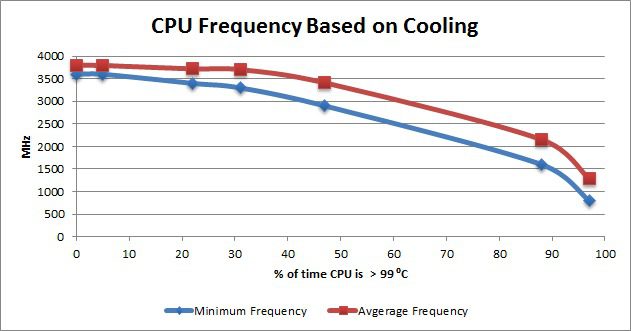
While we all know that modern processors need active cooling, there is actually very little official information on how temperature affects a CPU’s performance. Do you really need a high-end liquid cooled setup to get peak performance, or is the little stock cooler that comes with most CPUs enough? In this article we will examine exactly how temperature affects CPU performance.
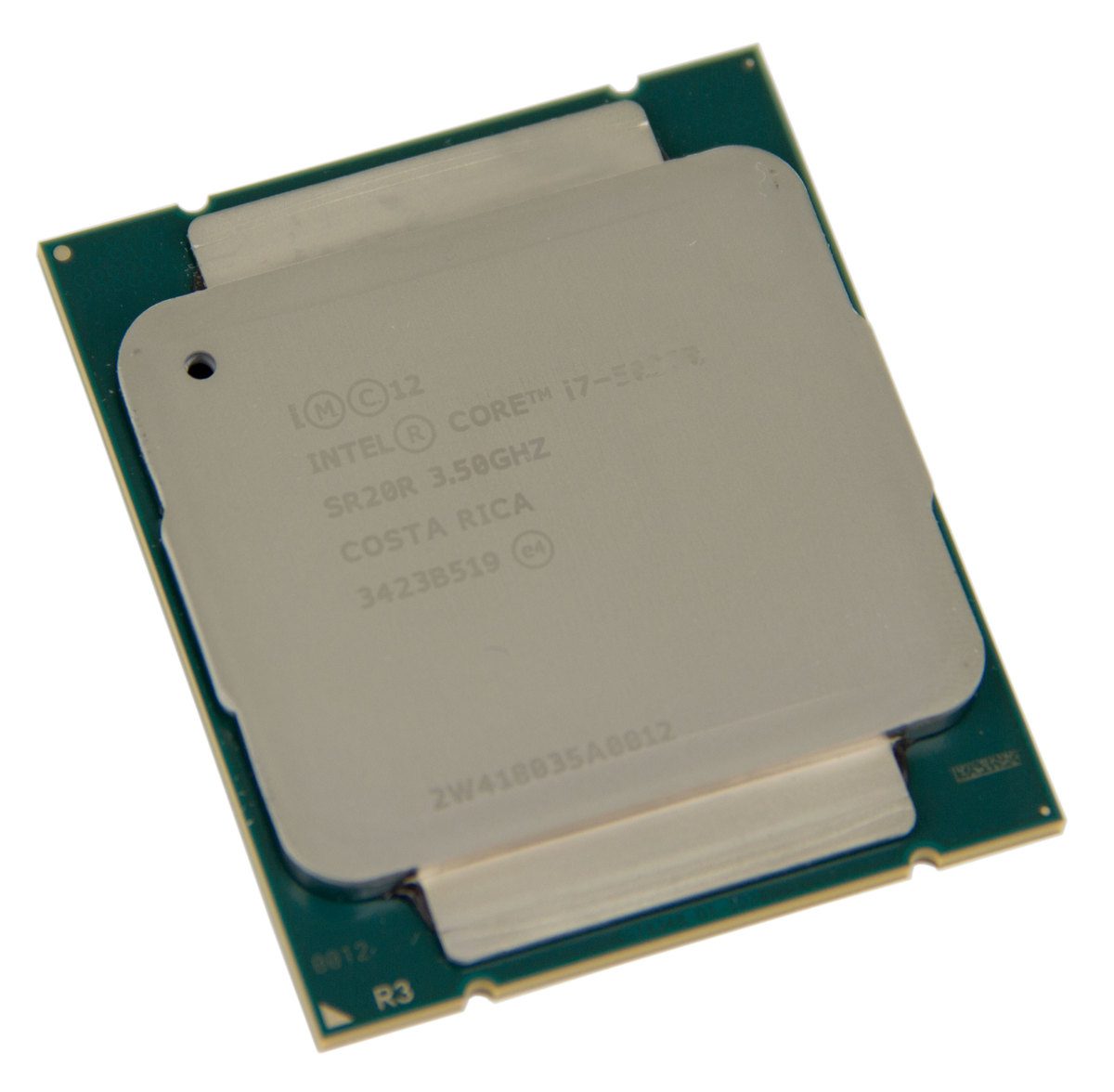
Typically, a new CPUs is faster than it’s predecessor – it is just a question of whether is it by a little or a lot. The new Intel 5960X, however, is not typical because it sacrifices clock speed in order to add more cores. In this article we want to run a wide variety of benchmarks to find out what applications benefit from the additional cores and which suffer from the drop in clock speed.
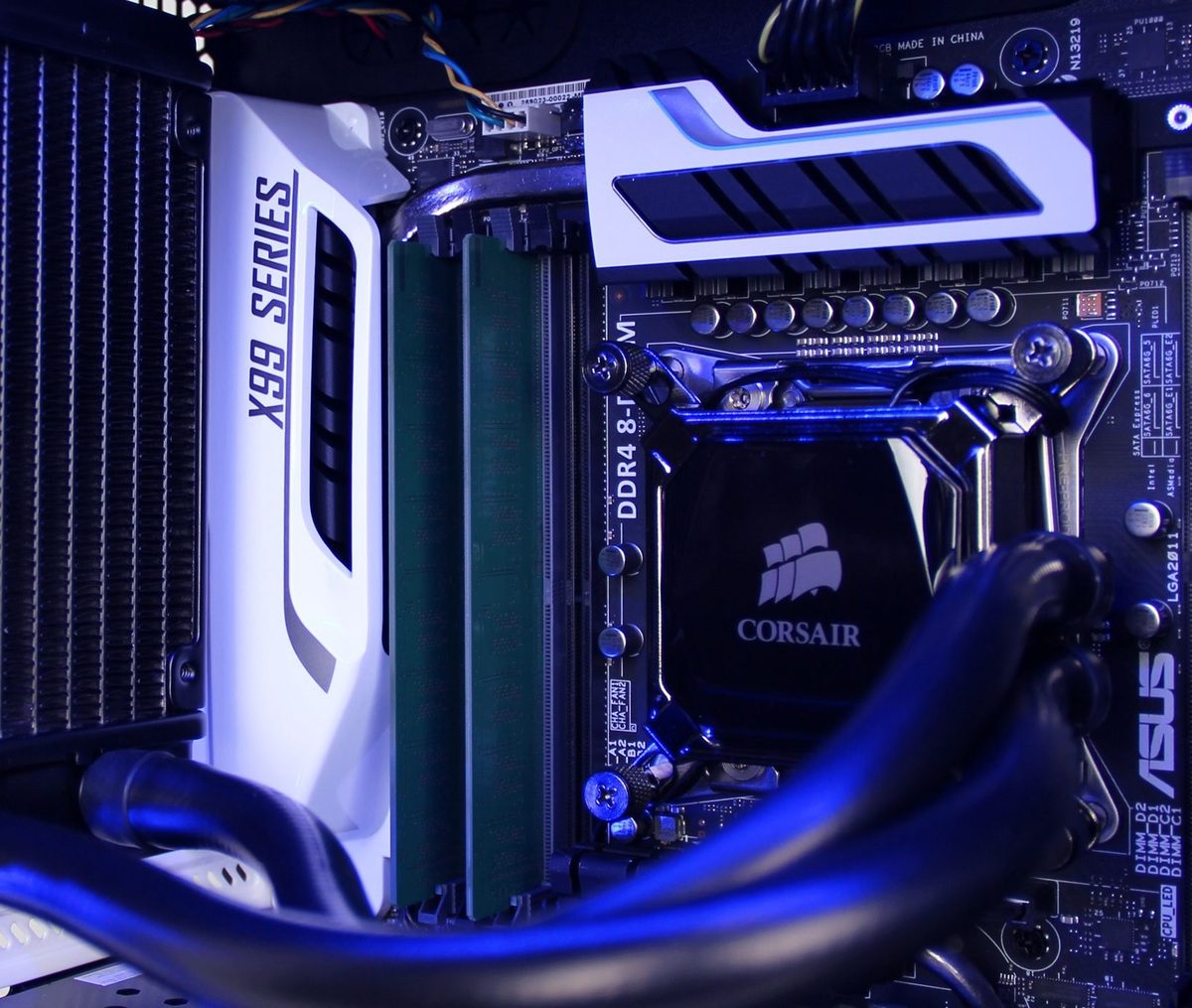
The X99 chipset is a major improvement over X79 adding native USB 3.0 support, more SATA 6Gb/s ports, DDR4 support, and plenty of other little updates. Haswell-E also adds a lot of improvements, but has an overall drop in core frequency that makes it not as clearly better than Ivy Bridge-E.
Puget Systems builds custom workstations, servers and storage solutions tailored for your work.
We provide:
Extensive performance testing
making you more productive and giving better value for your money
Reliable computers
with fewer crashes means more time working & less time waiting
Support that understands
your complex workflows and can get you back up & running ASAP
A proven track record
as shown by our case studies and customer testimonials