NVIDIA is continuing their new RTX 40 Series GPUs with the new RTX 4080 16GB. How does this new card perform in the real world, and is it worth considering in your next content creation workstation?
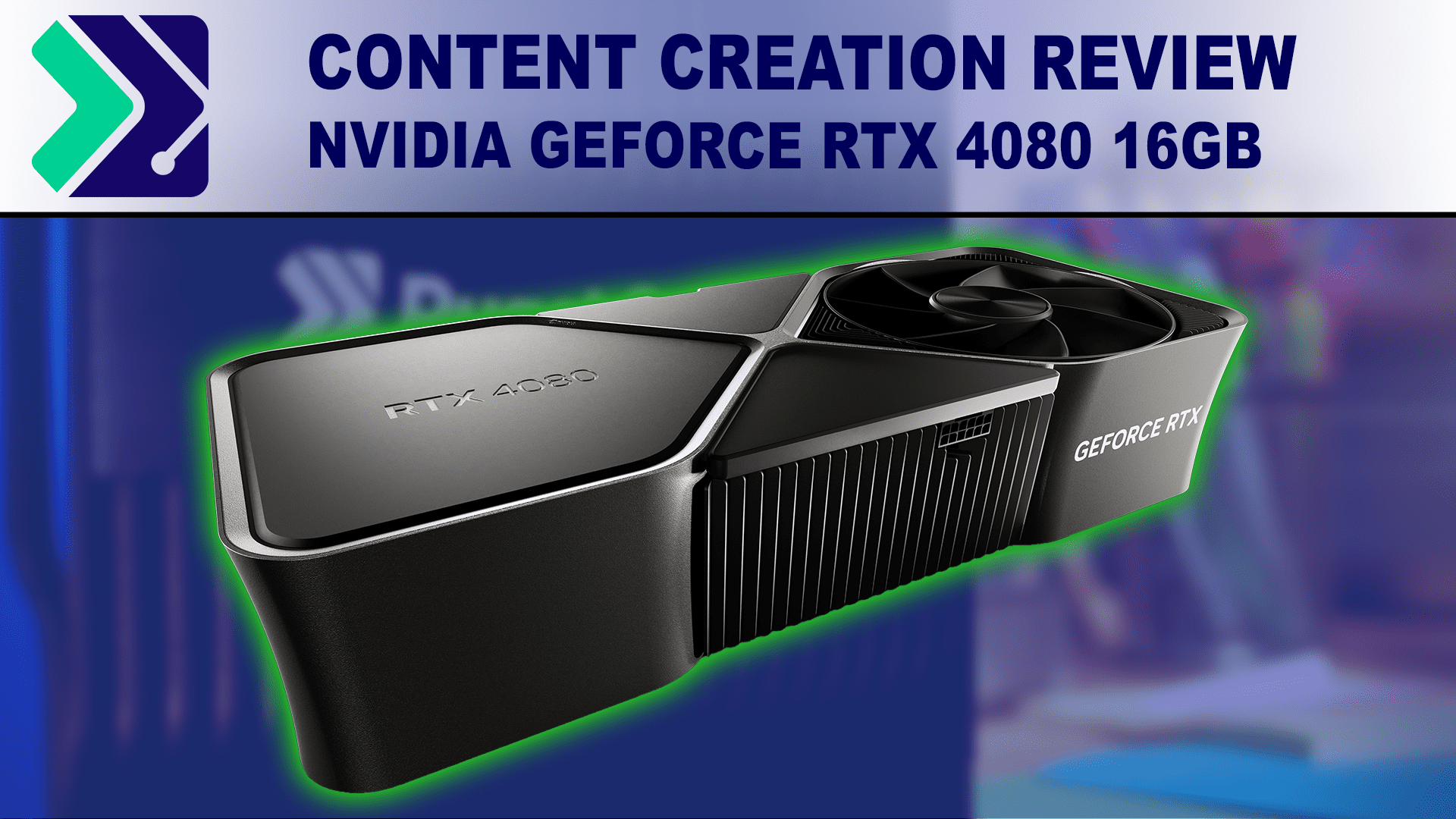
NVIDIA is continuing their new RTX 40 Series GPUs with the new RTX 4080 16GB. How does this new card perform in the real world, and is it worth considering in your next content creation workstation?
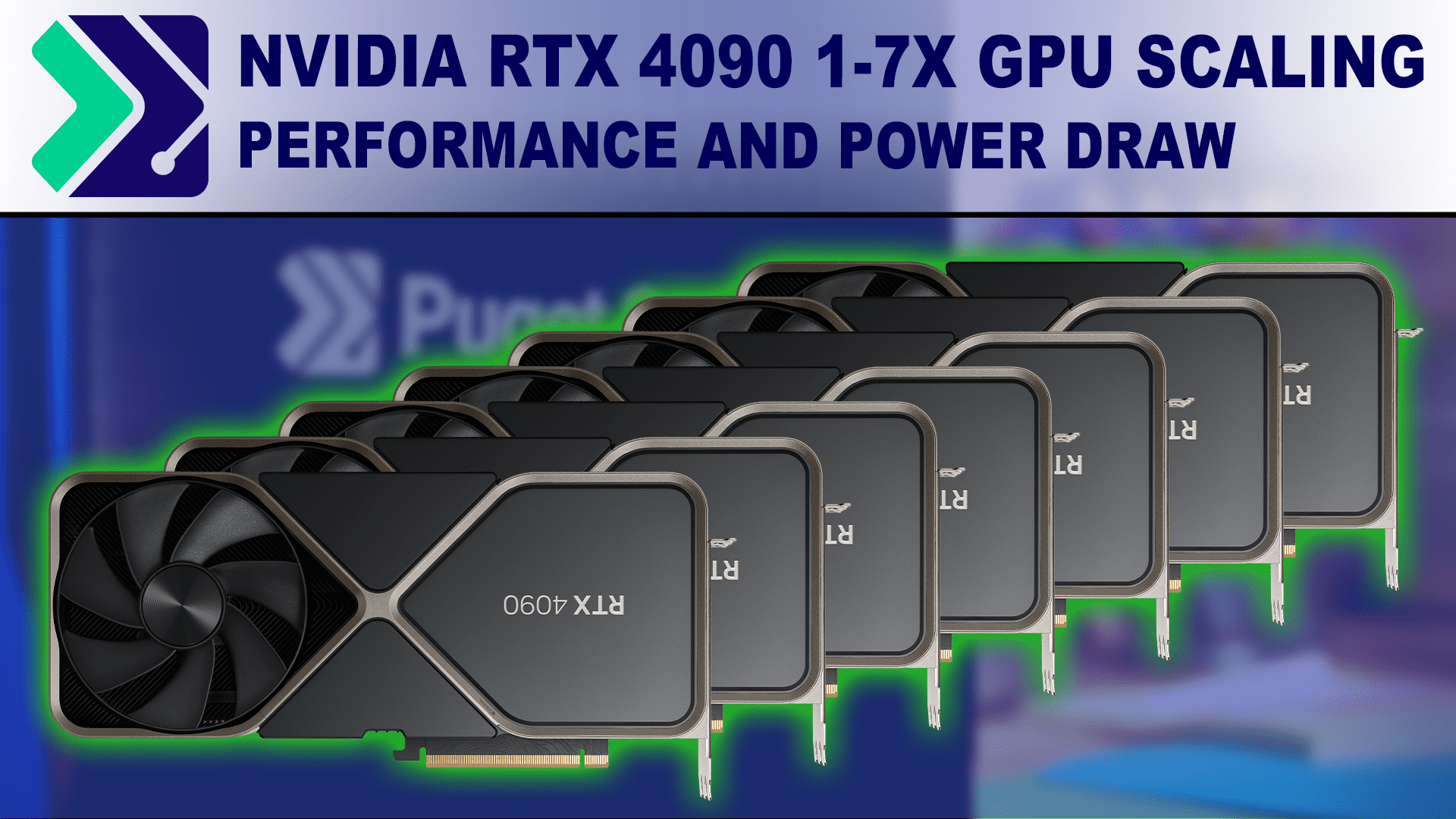
Introduction About a month ago, NVIDIA began rolling out their new RTX 40 series GPUs, starting with the GeForce RTX 4090 24GB. The RTX 4090 is an incredibly powerful GPU, and in our content creation review, it easily blew past anything else on the market. In that same article, we included test results in both
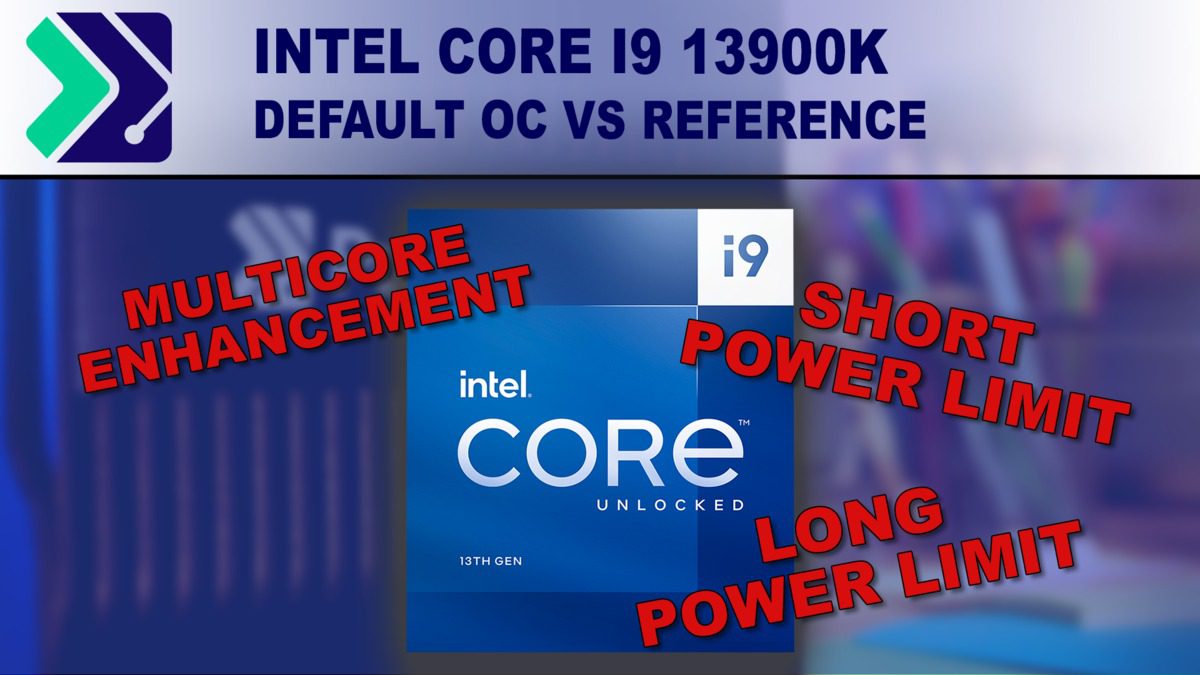
Intel’s 13th Gen processors bring terrific performance across the board, but many modern processors have been criticized for their high power draw and heat output. However, we have found that most CPUs only operate at these high temperatures when the motherboard BIOS is allowed to automatically overclock the processor above the official Intel specifications. Does running them at reference speeds impact performance, and how much of a difference does it make for thermals?
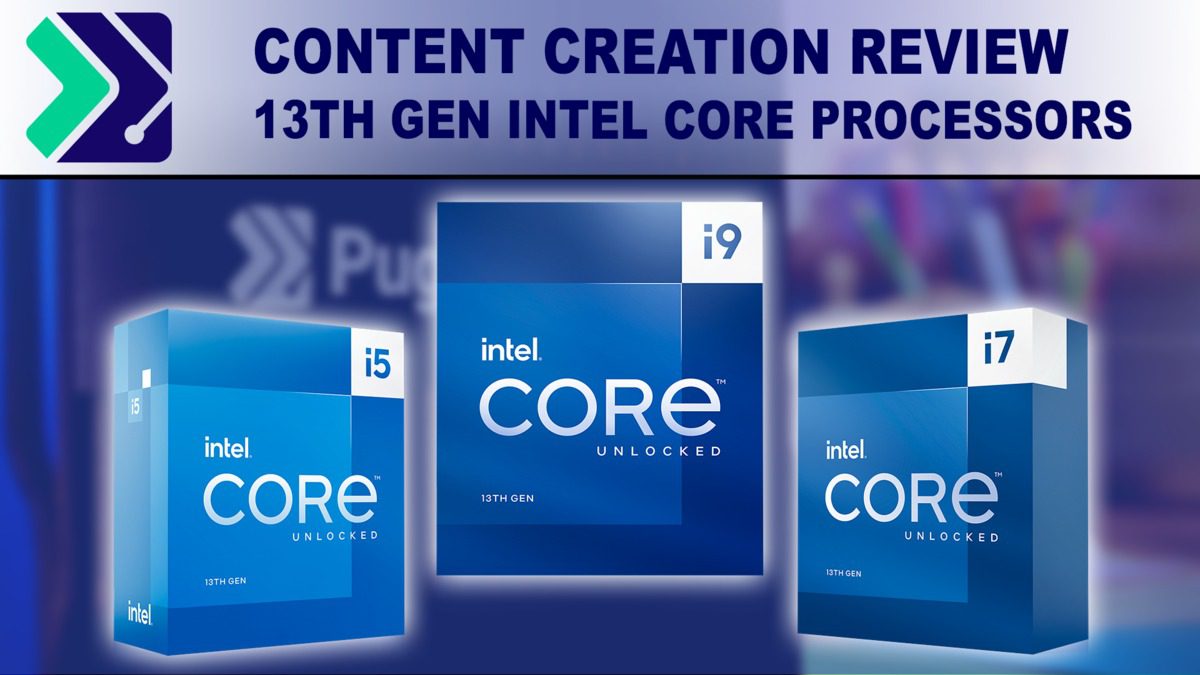
Following AMDs recent release of their Ryzen 7000 Series desktop processors, Intel is fighting back with their own launch of the Core 13th Gen processors (code named “Raptor Lake”). Unlike AMD’s launch which moved to a new socket and added support for DDR5, the 13th Gen CPUs are a drop-in upgrade for the 12th Gen processors since they share the same socket and existing support for DDR5 memory. Even though the base platform is largely unchanged, however, we still expect some big performance gains in a number of content creation workflows.
Intel’s new 13th Gen processors have just launched, hard on the heels of AMD’s recent release of their Ryzen 7000 Series. AMD has long held the lead with CPU rendering workflows. Will the new 13th Gen processors allow Intel to overtake AMD and become the best choice for V-Ray?
Intel’s new 13th Gen processors have just launched, hard on the heels of AMD’s recent release of their Ryzen 7000 Series. AMD has long held the lead with CPU rendering workflows. Will the new 13th Gen processors allow Intel to overtake AMD and become the best choice for Cinema 4D?
Intel’s new 13th Gen processors have just launched, hard on the heels of AMD’s recent release of their Ryzen 7000 Series. AMD has long held the lead with rendering workflows. Will the new 13th Gen processors allow Intel to overtake AMD and become the best choice for Blender?
Intel’s new 13th Gen processors have just launched, hard on the heels of AMD’s recent release of their Ryzen 7000 Series. AMD has long held the lead with Unreal Engine workflows. Will the new 13th Gen processors allow Intel to overtake AMD and become the best choice for Unreal Engine?
Intel’s new 13th Gen processors have just launched, hard on the heels of AMD’s recent release of their Ryzen 7000 Series. Intel and AMD currently trade blows in DaVinci Resolve Studio depending on the types of codecs you work with, with Intel leading for H.264/HEVC, and AMD leading for RAW media. Will the new 13th Gen allow Intel to take the top spot for DaVinci Resolve across the board?
Intel’s new 13th Gen processors have just launched, hard on the heels of AMD’s recent release of their Ryzen 7000 Series. Intel and AMD currently trade blows in Premiere Pro depending on the types of codecs you work with, with Intel leading for H.264/HEVC, and AMD leading for RAW media. Will the new 13th Gen allow Intel to take the top spot for Premiere Pro across the board?
Puget Systems builds custom workstations, servers and storage solutions tailored for your work.
We provide:
Extensive performance testing
making you more productive and giving better value for your money
Reliable computers
with fewer crashes means more time working & less time waiting
Support that understands
your complex workflows and can get you back up & running ASAP
A proven track record
as shown by our case studies and customer testimonials