NVIDIA’s new GeForce RTX 3080 Ti is here, touting more performance and higher VRAM than the RTX 3080 – although with a larger price tag to match. While After Effects does utilize the GPU for a number of effects, is the higher price worth it?
NVIDIA’s new GeForce RTX 3080 Ti is here, touting more performance and higher VRAM than the RTX 3080 – although with a larger price tag to match. While After Effects does utilize the GPU for a number of effects, is the higher price worth it?
Intel’s new 11th Gen Core processors are here, with significant improvements including an advertised 19% improvement in IPC (instructions per clock), but with a drop in total core count on the high end. This makes it hard to estimate how each model will perform in the real world without application and workflow specific benchmarking and testing.
Earlier this month, Intel announced the initial launch of their new 11th Gen Intel Core desktop processors (code-named “Rocket Lake”). These new processors are marketed as having substantially better per-core performance compared to their previous 10th Gen Core models, but will that be enough for Intel to overtake AMD in After Effects?
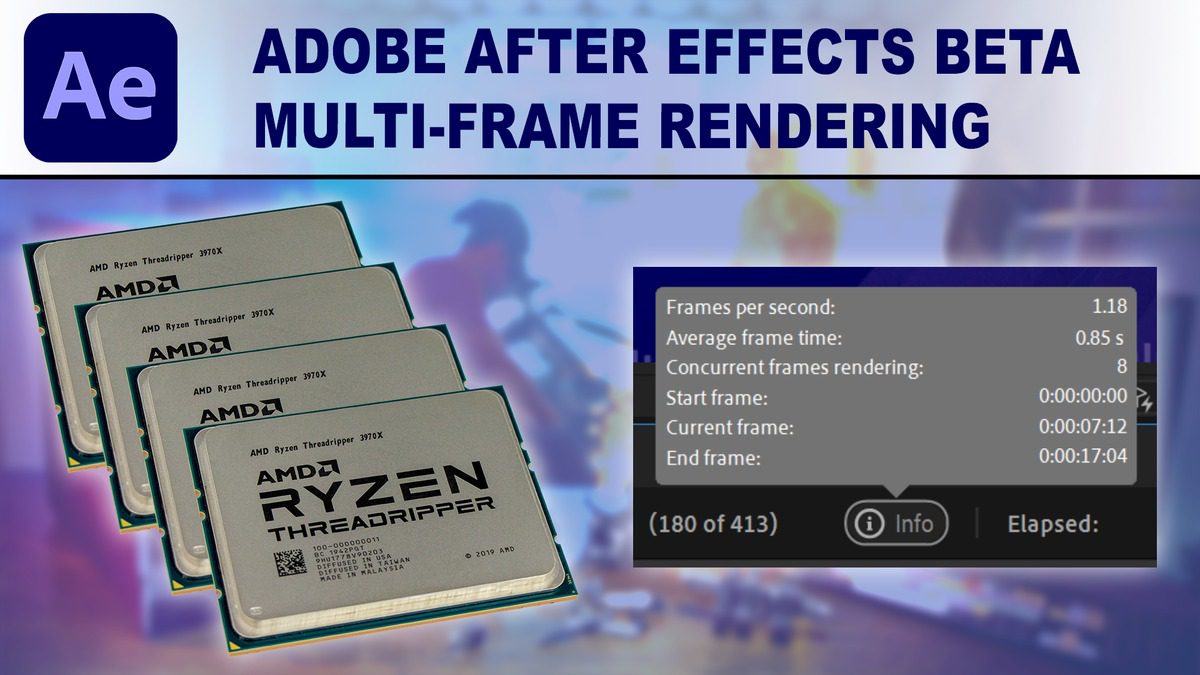
One of the most common hardware complaint you will hear about After Effects is that it doesn’t take advantage of the higher core count CPUs that are common in today’s workstations. In the new After Effects 18.1 BETA, however, Adobe is introducing a new feature called Multi-Frame Rendering which should vastly speed up render times when you have a higher core count processor.
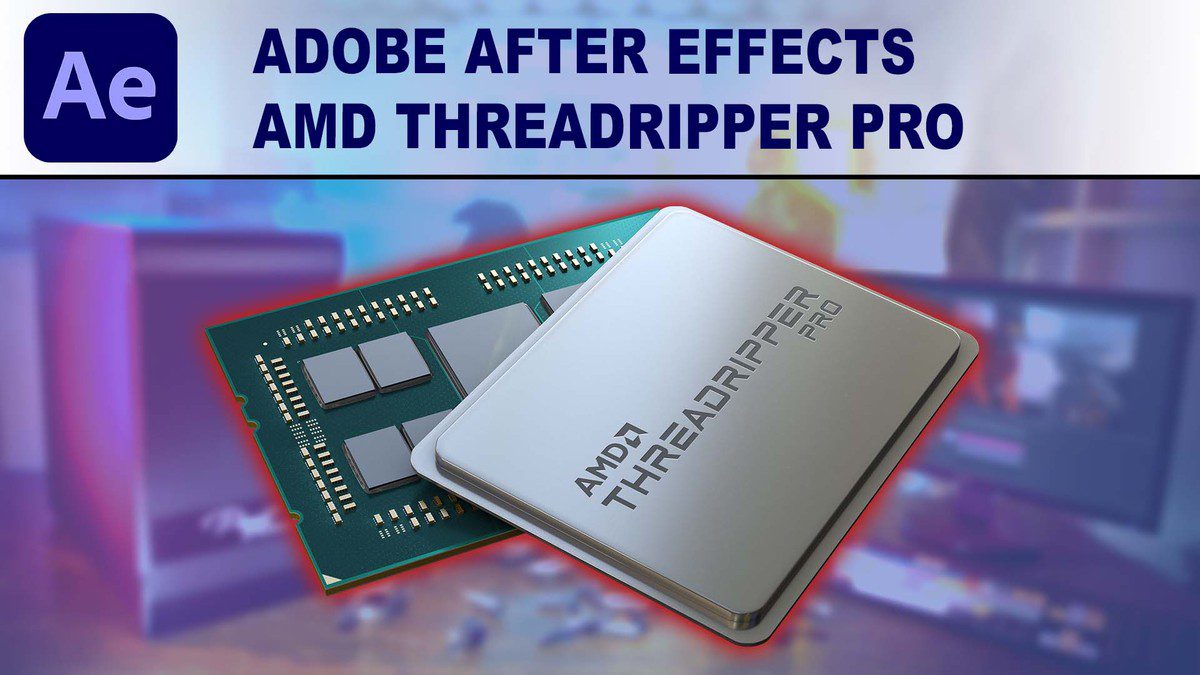
AMD’s new Threadripper Pro CPUs are here, combining many of the features from their Threadripper and EPYC CPU lines including increased memory and PCI-E capability. The amount of RAM you have available for After Effects is often critical, but is Threadripper Pro worth the cost in order to get up to 2TB of RAM, or should you stick with the Ryzen or Threadripper line of processors?
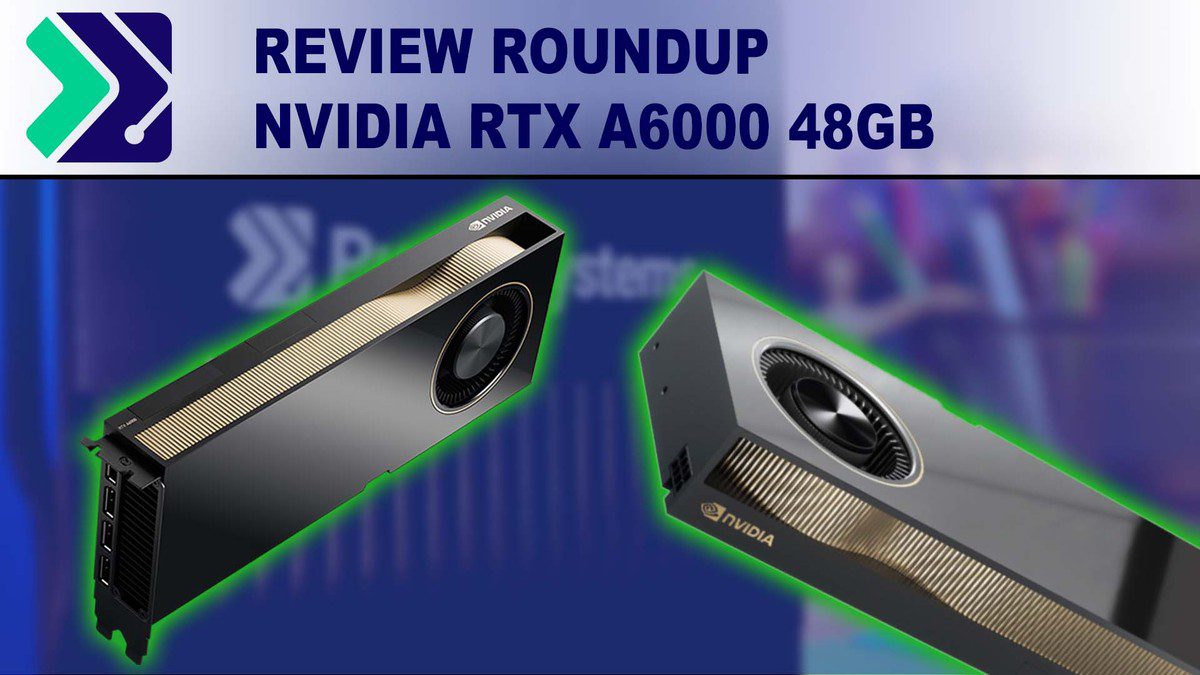
While the launch of NVIDIA and AMD’s consumer GPUs have been a major topic recently, NVIDIA is also starting to release the successor to their Quadro RTX line – starting with the RTX A6000. We have looked at how the A6000 performs in a range of professional applications to help you decide whether they are worth using in a new workstation, or as an upgrade in your current system.
After Effects can be a power hungry application, requiring a powerful workstation with plenty of system memory in order to keep you in your creative process. In this post, we will go over a few of our recommendations in the winter of 2020 for the best PC for Adobe After Effects for a range of budgets.
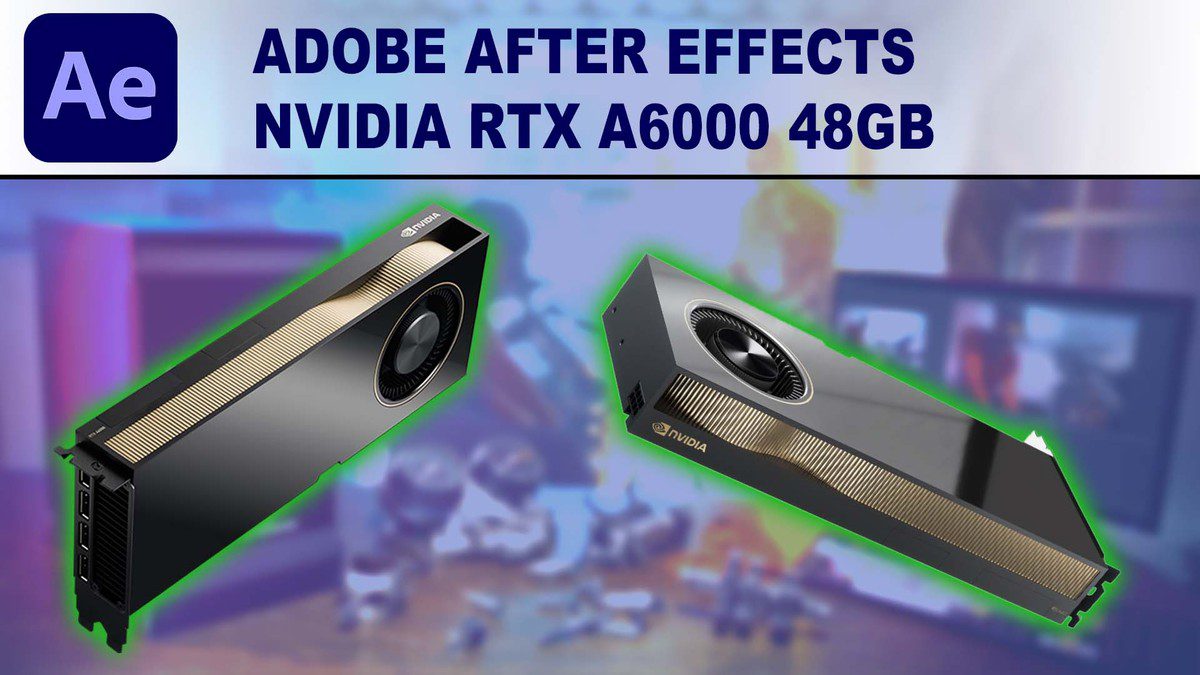
While the launch of NVIDIA and AMD’s consumer GPUs have been a major topic recently, NVIDIA is also starting to release the successor to their Quadro RTX line – starting with the RTX A6000. In this article, we will look at how it performs in After Effects compared to recent NVIDIA Quadro and AMD Radeon Pro GPUs.
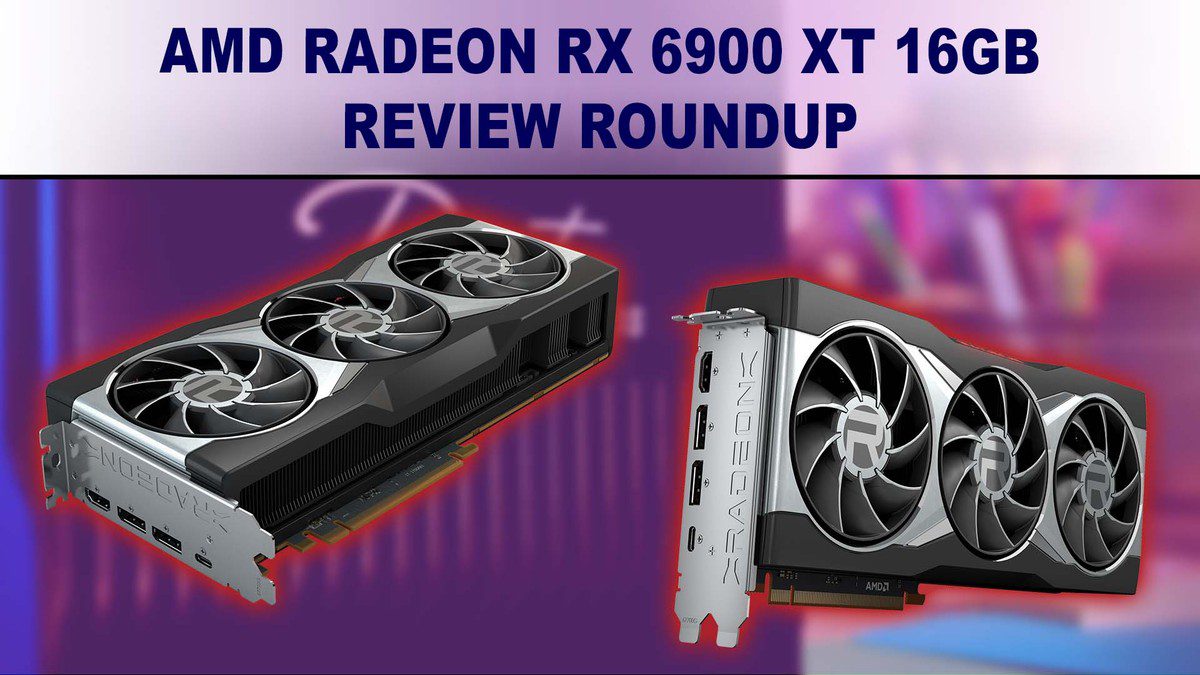
With the launch of the AMD Radeon RX 6900 XT, we finally get a look at the top-end GPU from AMD’s 6000-series. We have looked at how the Radeon 6900 XT performs in a range of professional applications to help you decide whether they are worth using in a new workstation, or as an upgrade in your current system.
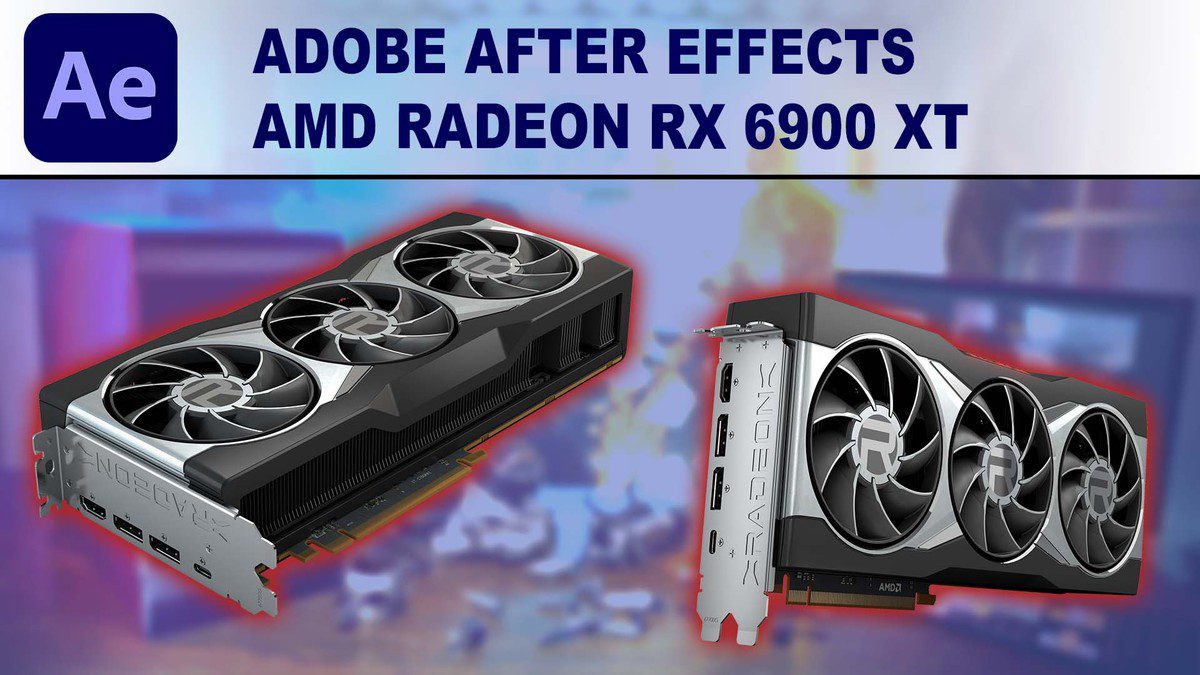
The number of GPU accelerated effects in After Effects has increased in recent years, but it continues to be an application that is primarily CPU bottlenecked. With the launch of the Radeon 6900 XT, we can get a look at how AMD competes with NVIDIA at the top end of their GPU product line.
Puget Systems builds custom workstations, servers and storage solutions tailored for your work.
We provide:
Extensive performance testing
making you more productive and giving better value for your money
Reliable computers
with fewer crashes means more time working & less time waiting
Support that understands
your complex workflows and can get you back up & running ASAP
A proven track record
as shown by our case studies and customer testimonials