Agisoft recently released a major update to Metashape, version 1.7.0, after we had wrapped up most of our testing for a GPU performance roundup on the older 1.6.5. We’ve now tested a few video cards on the new version to see what has changed.


Agisoft recently released a major update to Metashape, version 1.7.0, after we had wrapped up most of our testing for a GPU performance roundup on the older 1.6.5. We’ve now tested a few video cards on the new version to see what has changed.

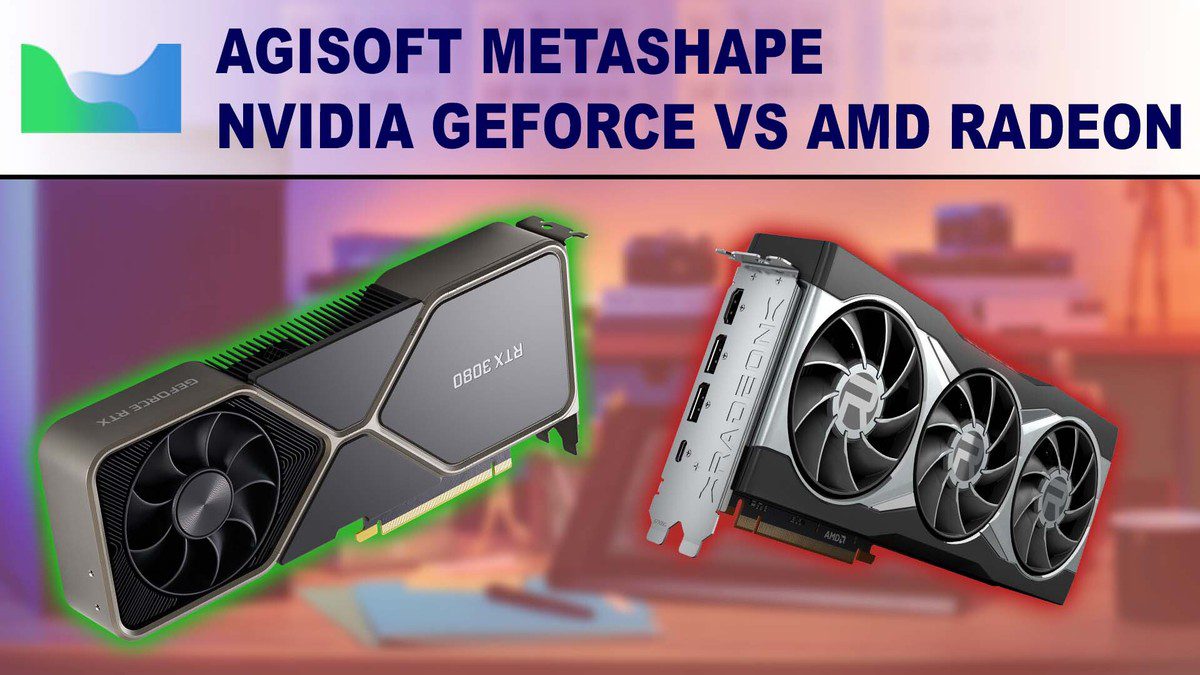
Now that we finally have performance data for NVIDIA’s GeForce RTX 3060 Ti and AMD’s Radeon RX 6900 XT, it is time for a head-to-head roundup of the GeForce RTX 30 Series and Radeon RX 6000 Series video cards in Agisoft Metashape.

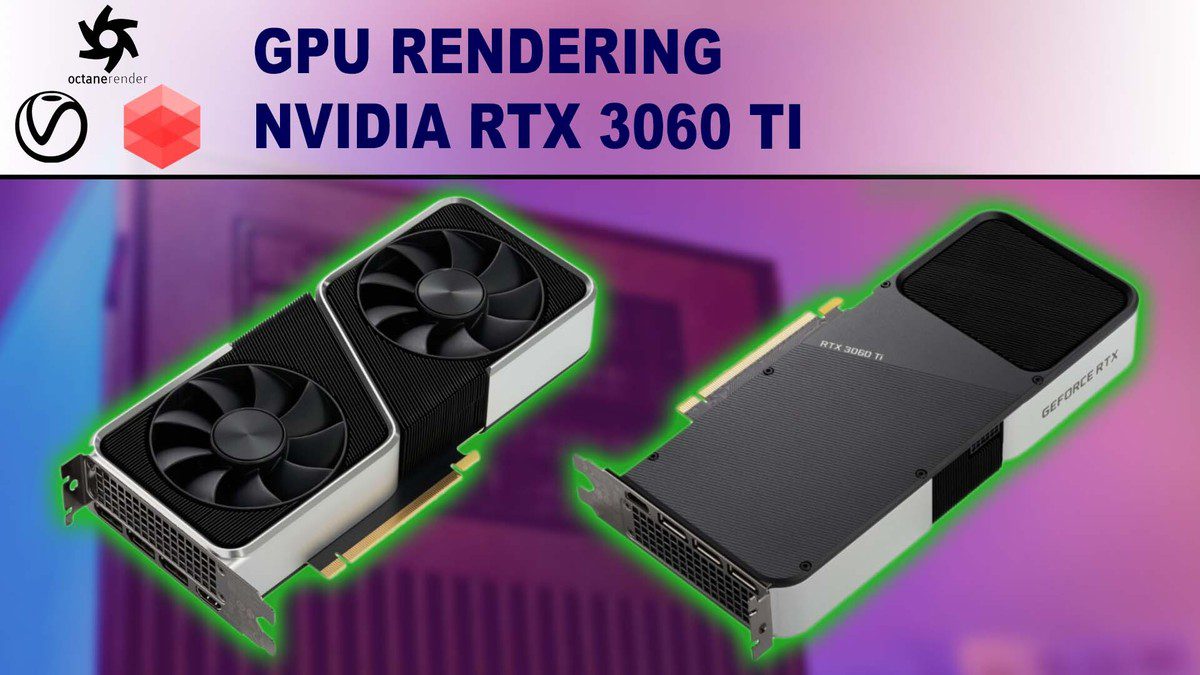
NVIDIA launched the GeForce RTX 30 Series a few months ago, but new models in this family continue to trickle in. Today we are looking at the RTX 3060 Ti 8GB model and how it performs with regard to rendering in OctaneRender, Redshift, and V-Ray.

A short article covering some of the best computer system configurations for rendering with V-Ray at the close of 2020.

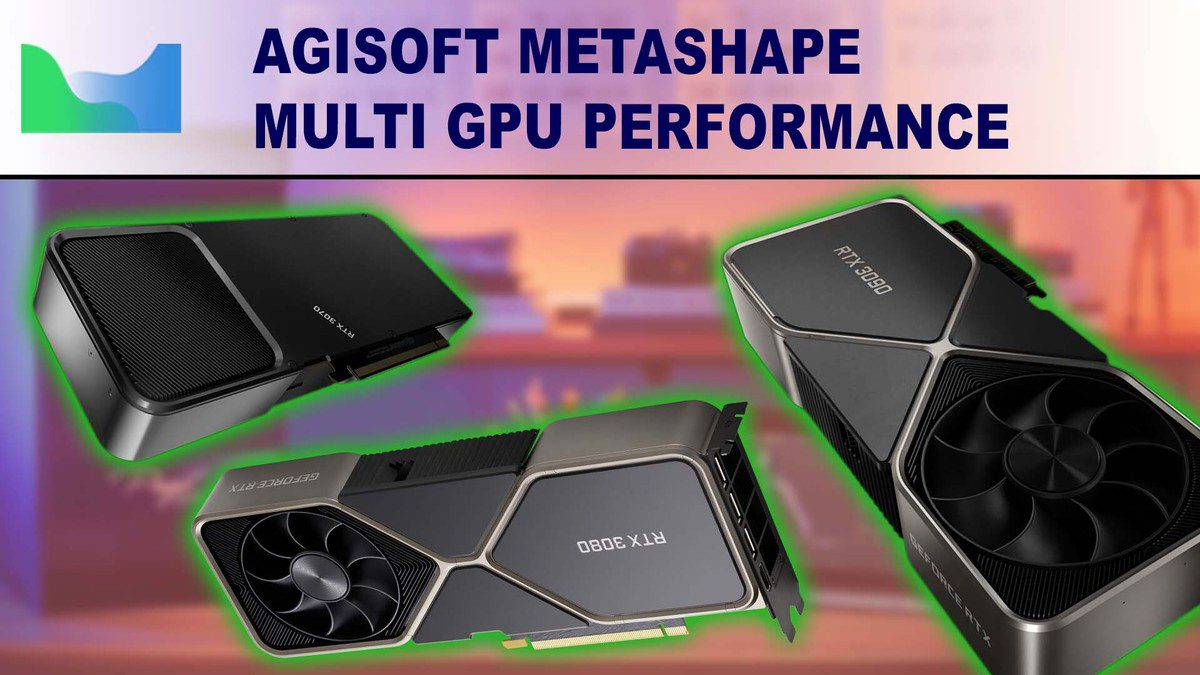
Agisoft Metashape has had an interesting history with multi-GPU performance. At different points in time, and with different generations of video cards, we have seen both substantial boosts from having multiple video cards as well as next to none. With the latest AMD CPUs and NVIDIA GPUs, we are testing this aspect of Metashape once more.

AMD recently launched a new generation of their Radeon graphics cards, and we have finally gotten our hands on the first two models – the RX 6800 and 6800 XT – to test in our lab. How do they stack up against NVIDIA’s GeForce RTX 30 Series cards, which are similarly priced, in Agisoft Metashape?

PCI-Express has been the standard for connecting video cards and other expansion devices inside of computers for many years now, and several generations of the technology have now passed. With each of those generations, the amount of data that can be transferred over the PCIe connection has increased. How much impact does that have on modern video cards? Is there any benefit to running a PCIe 3.0 card in a 4.0 slot, or loss if using a 4.0 card in a 3.0 slot?

With the initial launches in NVIDIA’s GeForce RTX 30 Series complete, and availability getting better, it is time to look at how well these cards scale in multi-GPU configurations for rendering within Redshift, OctaneRender, and V-Ray.

NVIDIA’s GeForce RTX 3080 and 3090 launched earlier this fall, and now the RTX 3070 has joined its siblings. How does it compare to the bigger RTX 30 Series cards? And how do they all stack up against the previous generation? In this article we take a look at how well they all fare in GPU based rendering engines like Maxon Redshift.

With the first three models in NVIDIA’s GeForce RTX 30 Series now available, how do the RTX 3070, 3080, and 3090 stack up? In this article we take a look at how they compare to each other as well as the previous generation of GeForce and Titan cards in OTOY’s OctaneRender.