The RTX 3000 series cards are here, with NVIDIA boasting significant performance gains over the previous generation. With the RTX 3080 now launched, we can find out how large those gains are in photogrammetry applications like RealityCapture.
The RTX 3000 series cards are here, with NVIDIA boasting significant performance gains over the previous generation. With the RTX 3080 now launched, we can find out how large those gains are in photogrammetry applications like RealityCapture.
The RTX 3000 series cards are here, with NVIDIA boasting significant performance gains over the previous generation. With the RTX 3080 now launched, we can find out how large those gains are in photogrammetry applications like Pix4D.
DaVinci Resolve has long been known for how well it utilizes the power of your GPU, but will it benefit from the raw power of the new NVIDIA GeForce RTX 3080?
Adobe has been focusing fairly heavily on GPU performance in the latest versions of Premiere Pro, adding more GPU accelerated effects as well as GPU-based hardware encoding. NVIDIA’s new RTX 30-series cards are touted as having significant performance advantages over previous generations, but will this make any difference for the typical Premiere Pro user?
Depending on the number of GPU-accelerated effects you use, a higher-end GPU can give you a nice performance boost in Premiere Pro. But is it better to go with an NVIDIA GeForce RTX video card, or one of AMD’s Radeon GPUs?
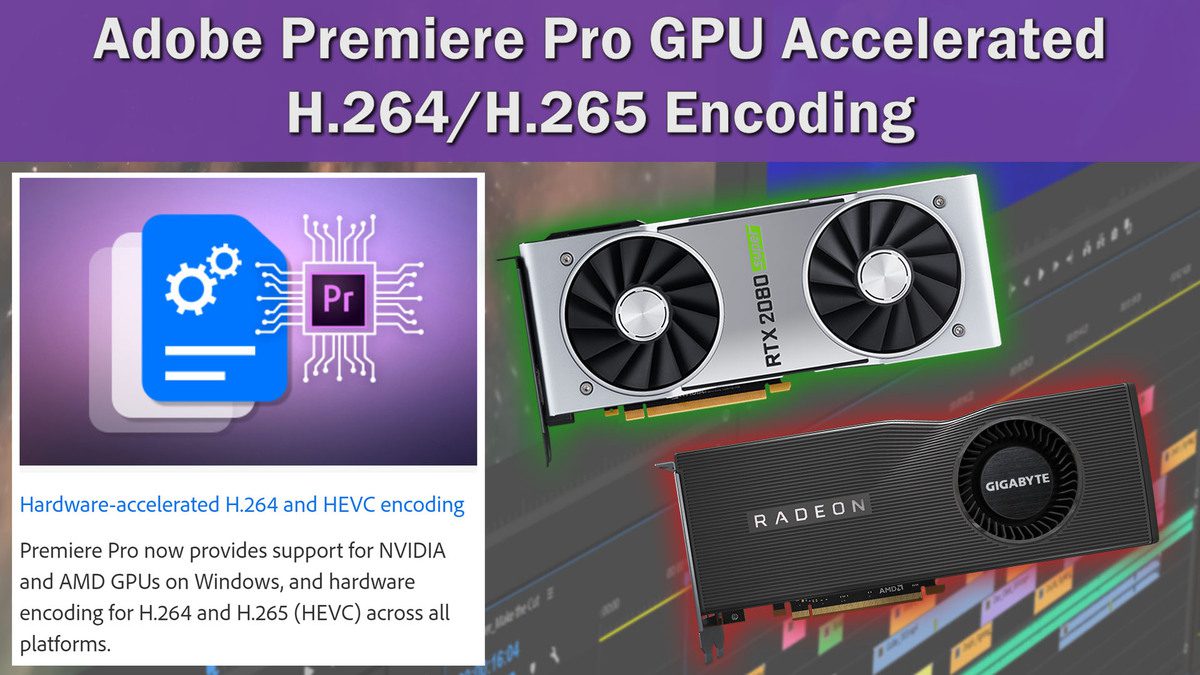
In the 14.2 version of Premiere Pro, Adobe has added support for GPU-based H264/H.265 (HEVC) hardware encoding with both NVIDIA and AMD GPUs. How well does this feature work, and how much faster is it than the previous hardware encoding that utilized Intel Quicksync?
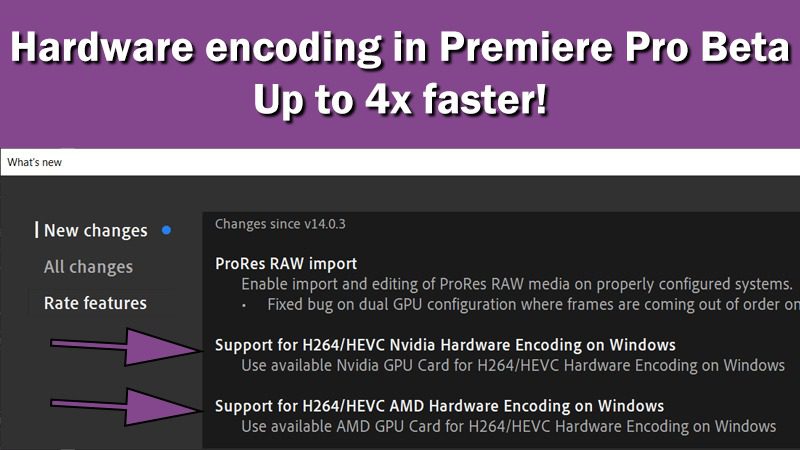
In the 14.2 Beta for Premiere Pro, Adobe has added support for H264/HEVC hardware encoding with both NVIDIA and AMD GPUs. How well does this feature work, and is it any faster than the existing implementation using Intel Quicksync?
Puget Systems builds custom workstations, servers and storage solutions tailored for your work.
We provide:
Extensive performance testing
making you more productive and giving better value for your money
Reliable computers
with fewer crashes means more time working & less time waiting
Support that understands
your complex workflows and can get you back up & running ASAP
A proven track record
as shown by our case studies and customer testimonials