In this video, Matt Granger breaks down the real world performance in the Adobe CC of a Puget Systems workstation versus similarly priced 2018 iMac Pro.

In this video, Matt Granger breaks down the real world performance in the Adobe CC of a Puget Systems workstation versus similarly priced 2018 iMac Pro.

Despite how popular SOLIDWORKS is, there is a lot of outdated and simply inaccurate information on the web regarding what video card you should use. For this article I tested multiple graphics cards from the Quadro, GeForce, and Radeon Pro families at both 1080p and 4K resolutions – and quickly found that either things are now a lot simpler than in my past experience, or else something is no longer up to snuff regarding how we have tested SOLIDWORKS GPU performance in the past.

If your workflow depends on having 10-bit color support on your primary display, using a workstation graphics card is typically the only way to do so since most consumer cards do not support displaying 10-bit color. But do you really need a Quadro P6000 or can you use a much less expensive card like the Quadro P4000 or Radeon Pro WX 9100 without sacrificing very much performance?

This post will go through how to get access to the NVIDIA NGC container registry on your workstation. The first 3 posts in this series gave instructions on how to install and configure a base Ubuntu 16.04 workstation system with Docker and NVIDIA-Docker for a usable work-flow. With that taken care of we can get setup to use the many useful docker images in the NGC container registry for your local system.
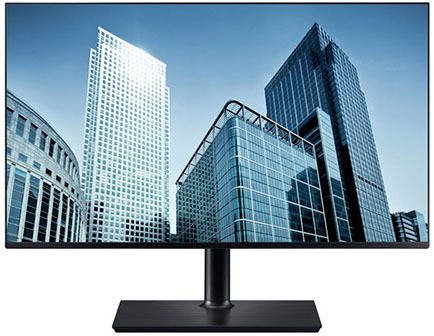
Choosing a monitor may seem pretty basic, however, there are several things to consider to make sure you get the right monitor for your specific needs. This article describes how to do that.

The NVIDIA Titan V has many the features that are not useful in DaVinci Resolve, but it’s raw power allows it to give the highest single GPU playback performance of any GPU we have every tested.
In this post I’ll go through setting up Docker to use User-Namespaces. This is a very important step to achieving a comfortable docker work-flow on a personal Workstation. I will show you how to configure Docker so that instead of files and processes being owned by root they will be owned by your personal user account. This will make using Docker containers on your system safer and feel much the same as a “normally” installed application.

The initial release of Lightroom Classic CC gave us some great performance gains, but the Lightroom team is not done yet. With the new 7.2 update, we once again get some terrific performance improvements, this time with an emphasis on improved multi-core performance using high core count CPUs in a number of tasks.

We’re seeing many reports of sleep issues that can often be resolved quickly if you know where to look.
The NVIDIA Titan V is an interesting and powerful card with a mix of features that should improve performance and features that are completely unused by Premiere Pro. The raw power of this card makes it the fastest GPU we’ve testing for Exporting, but it unfortunately is not quite as impressive when it comes to Live Playback performance.
Puget Systems builds custom workstations, servers and storage solutions tailored for your work.
We provide:
Extensive performance testing
making you more productive and giving better value for your money
Reliable computers
with fewer crashes means more time working & less time waiting
Support that understands
your complex workflows and can get you back up & running ASAP
A proven track record
as shown by our case studies and customer testimonials