Now that all RTX PRO Blackwell cards are available, we tested workstation GPUs from AMD, Intel, and NVIDIA to see how they perform in content creation.
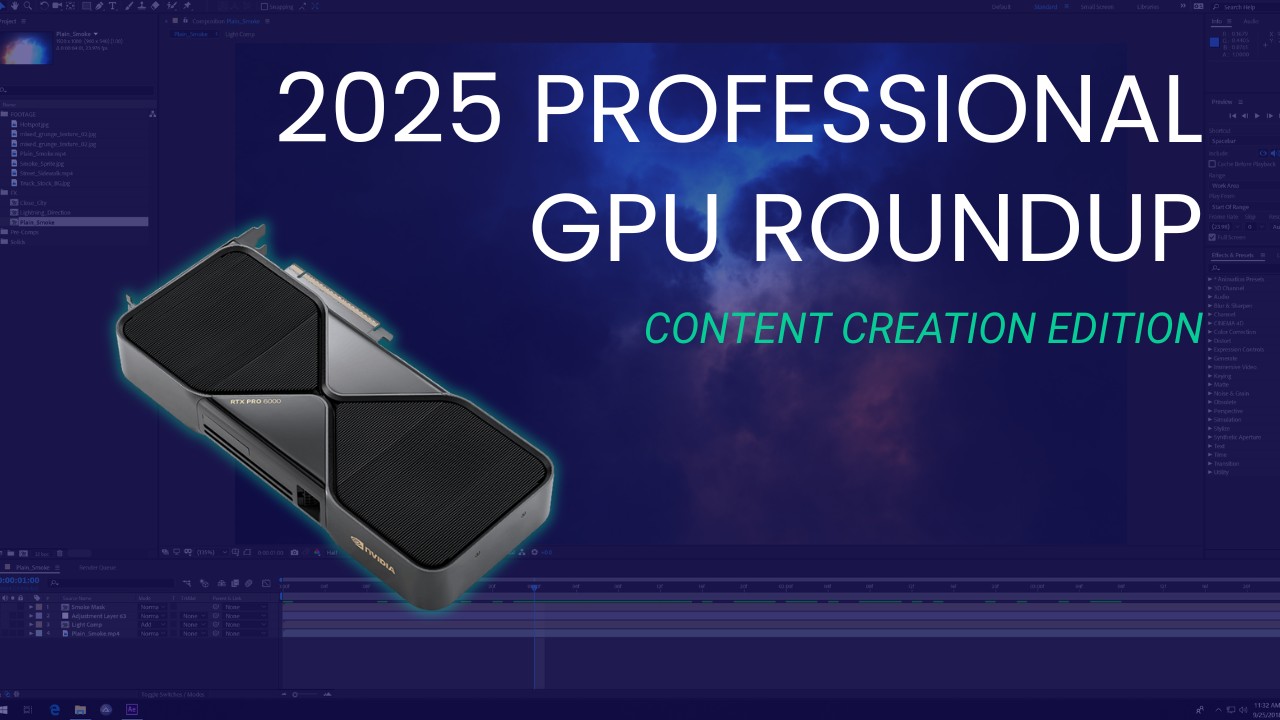
Now that all RTX PRO Blackwell cards are available, we tested workstation GPUs from AMD, Intel, and NVIDIA to see how they perform in content creation.
Removing render bottlenecks. High-density servers offer unmatched performance-per-rack, with the flexibility to handle rendering, AI/ML, and beyond.
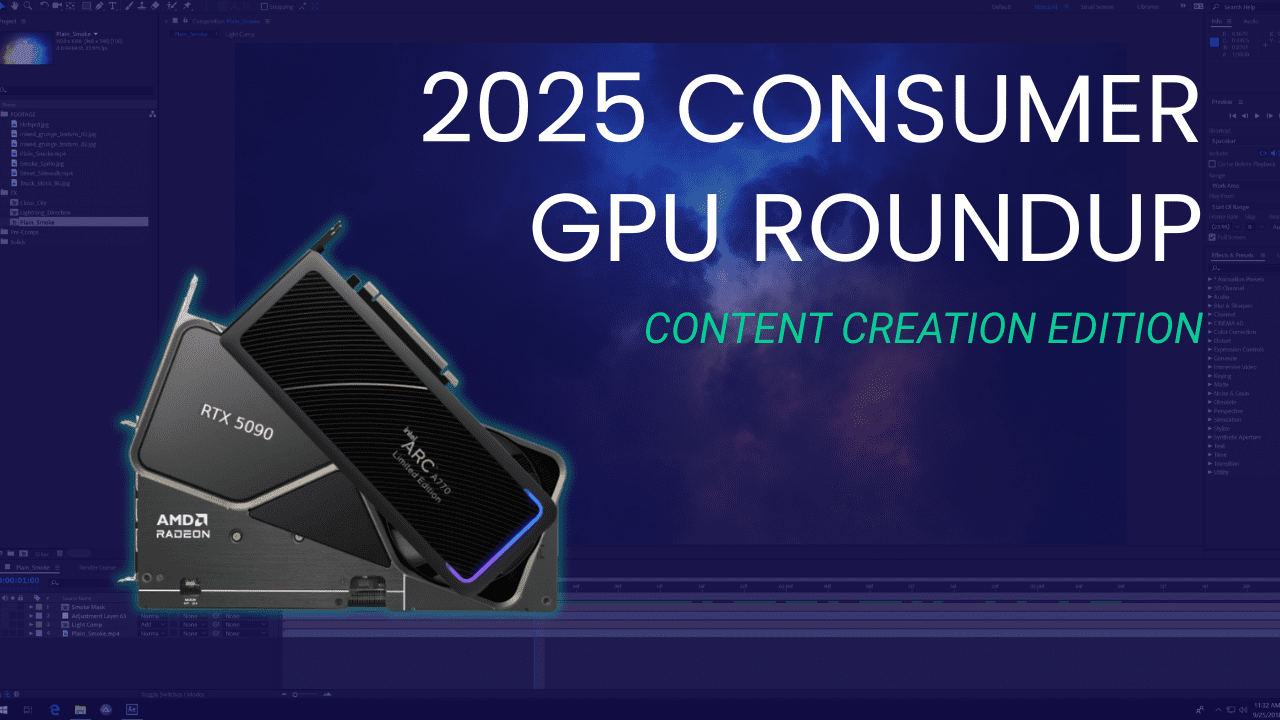
Half a year after launch, we revisit the NVIDIA GeForce RTX 50 Series, AMD Radeon RX 9000 Series, and Intel Arc Battlemage to see how performance stacks up.
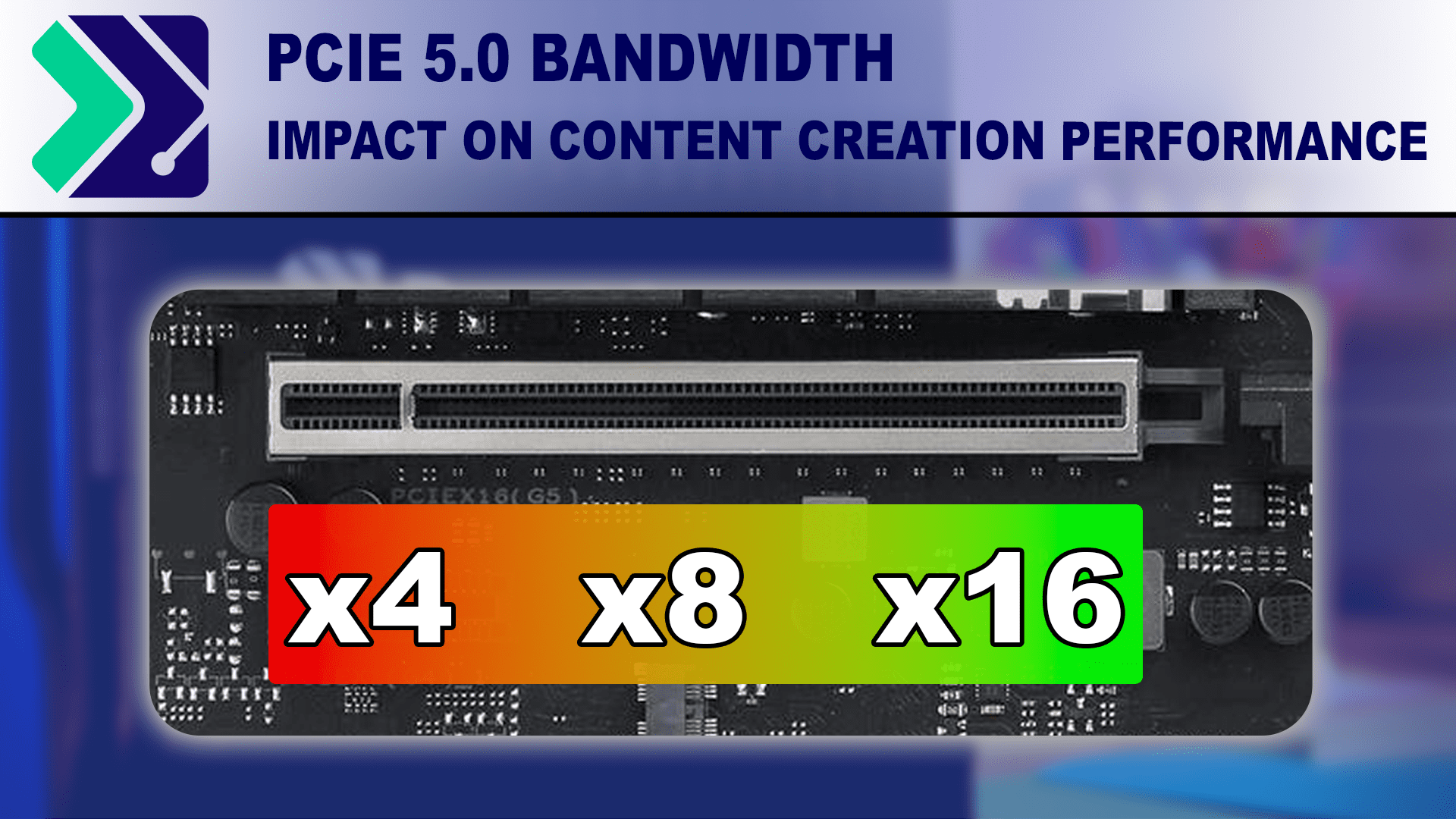
Installing add-in cards—like capture cards—can limit PCIe bandwidth to the GPU. Does the reduction of PCIe bandwidth harm performance in content-creation?
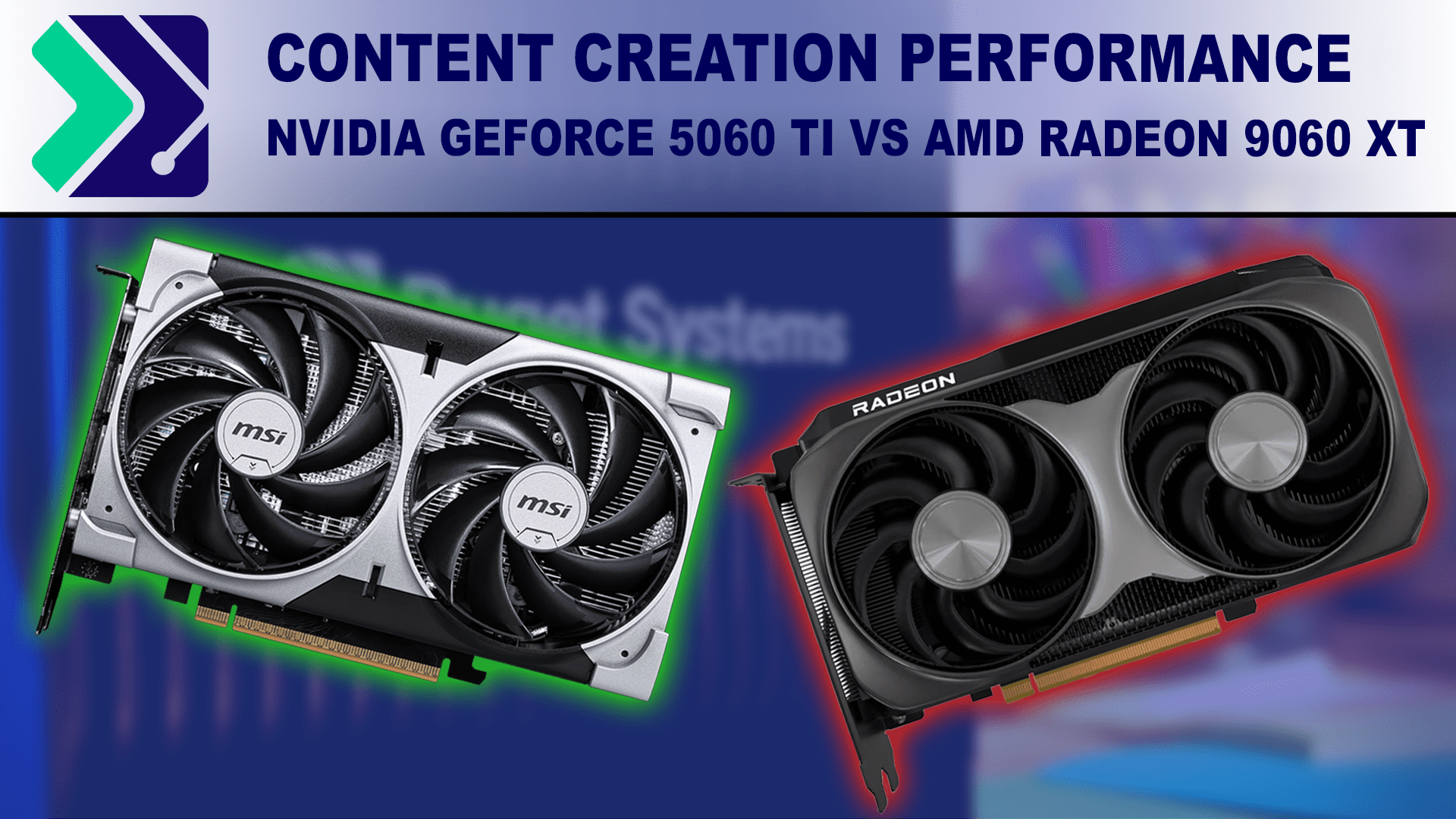
NVIDIA GeForce RTX 5060 Ti vs. AMD Radeon RX 9060 XT: Which offers the best content creation performance?
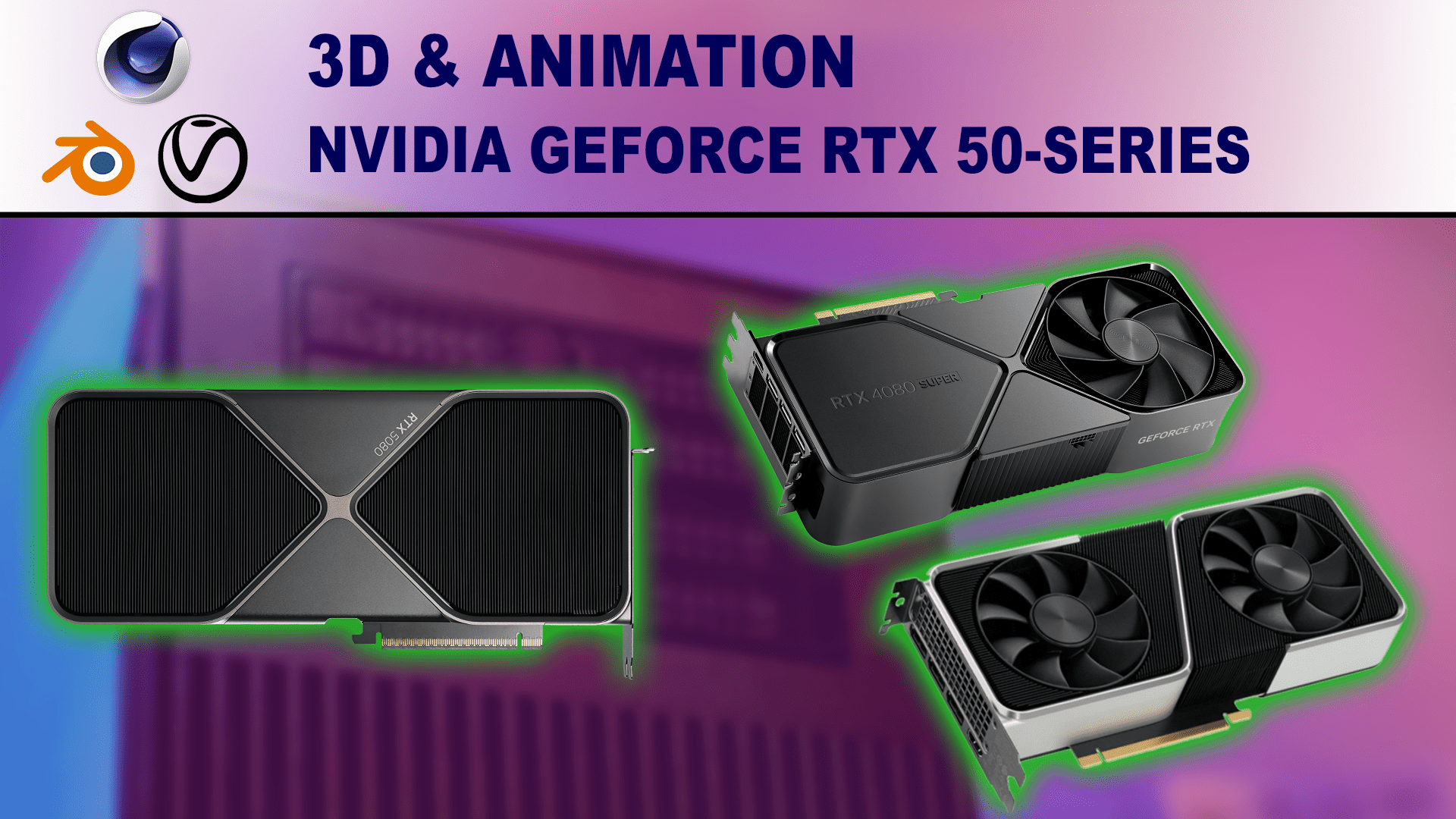
NVIDIA’s new GeForce RTX 50 Series GPUs are here, but are they good for 3D artist’s workflows and worth the upgrade?
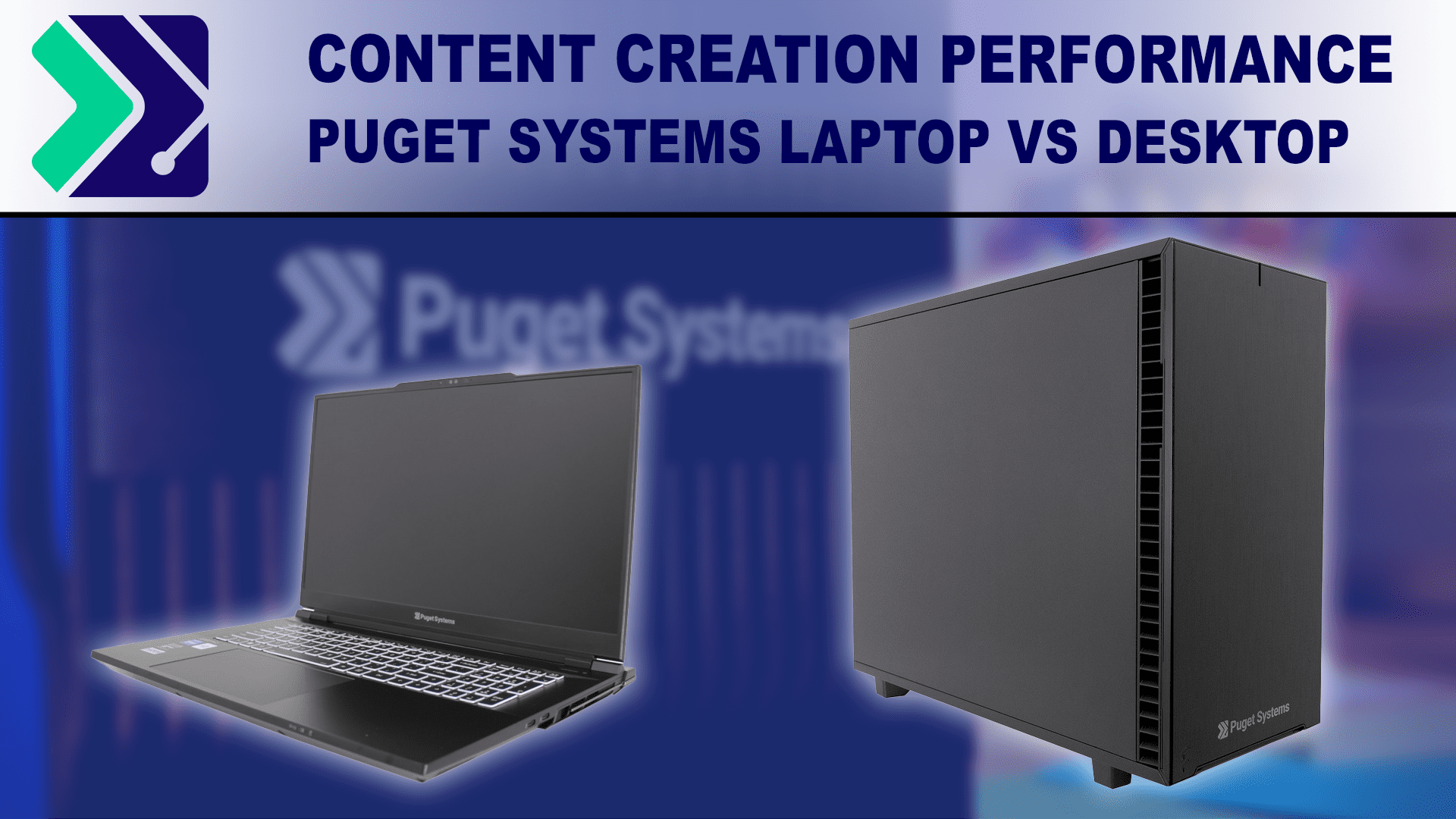
With the launch of the new Puget Systems 17″ laptop, there are a lot of performance questions we want to address. Today, we will be examining the performance of this new mobile workstation compared to a more traditional desktop.
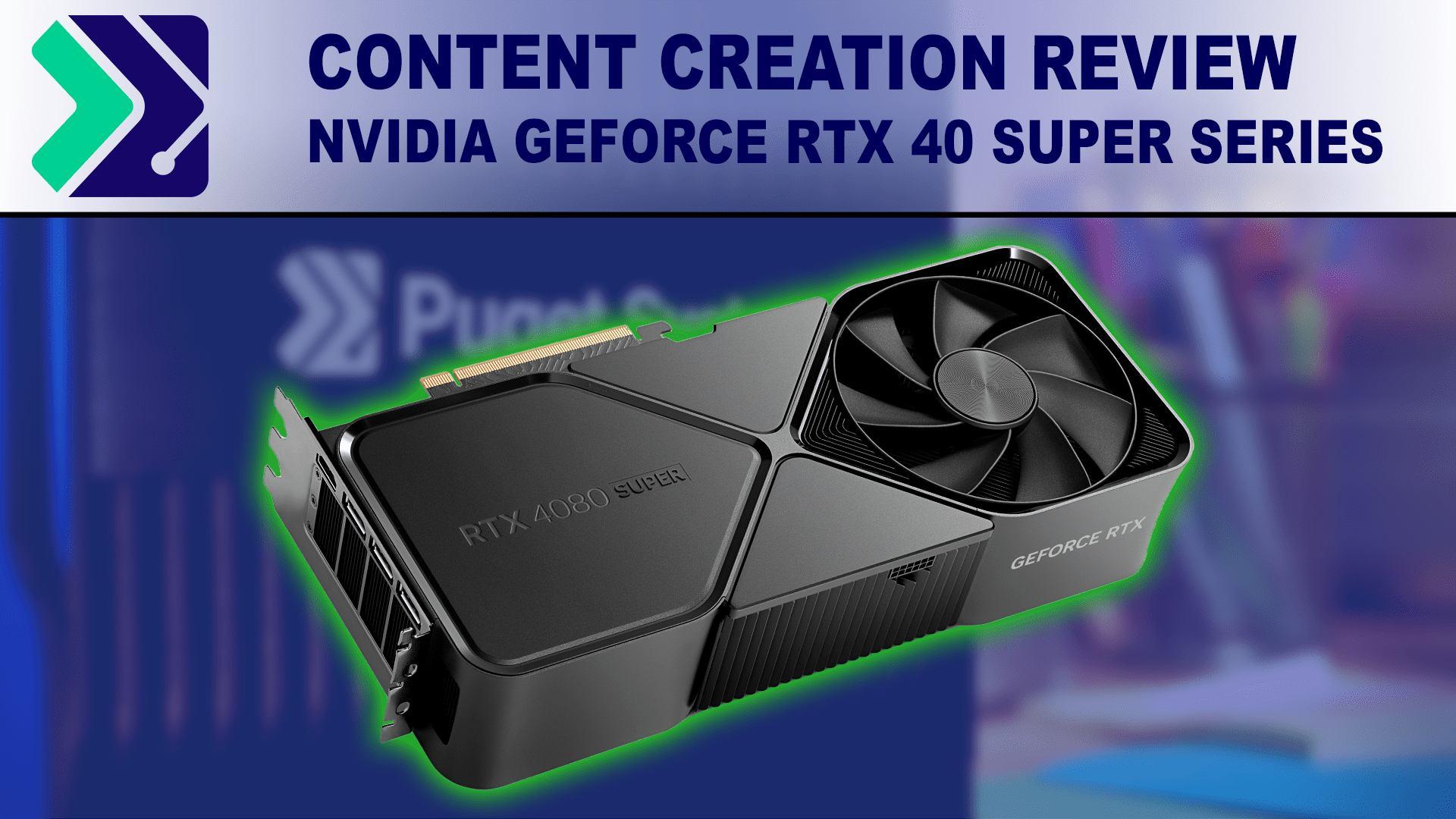
NVIDIA has released the SUPER variants of their RTX 4080, 4070 Ti, and 4070 consumer GPUs. How do they compare to their non-SUPER counterparts?

NVIDIA has released the complete family of professional Ada cards. How do they compare to the last-gen Ampere based professional GPUs?
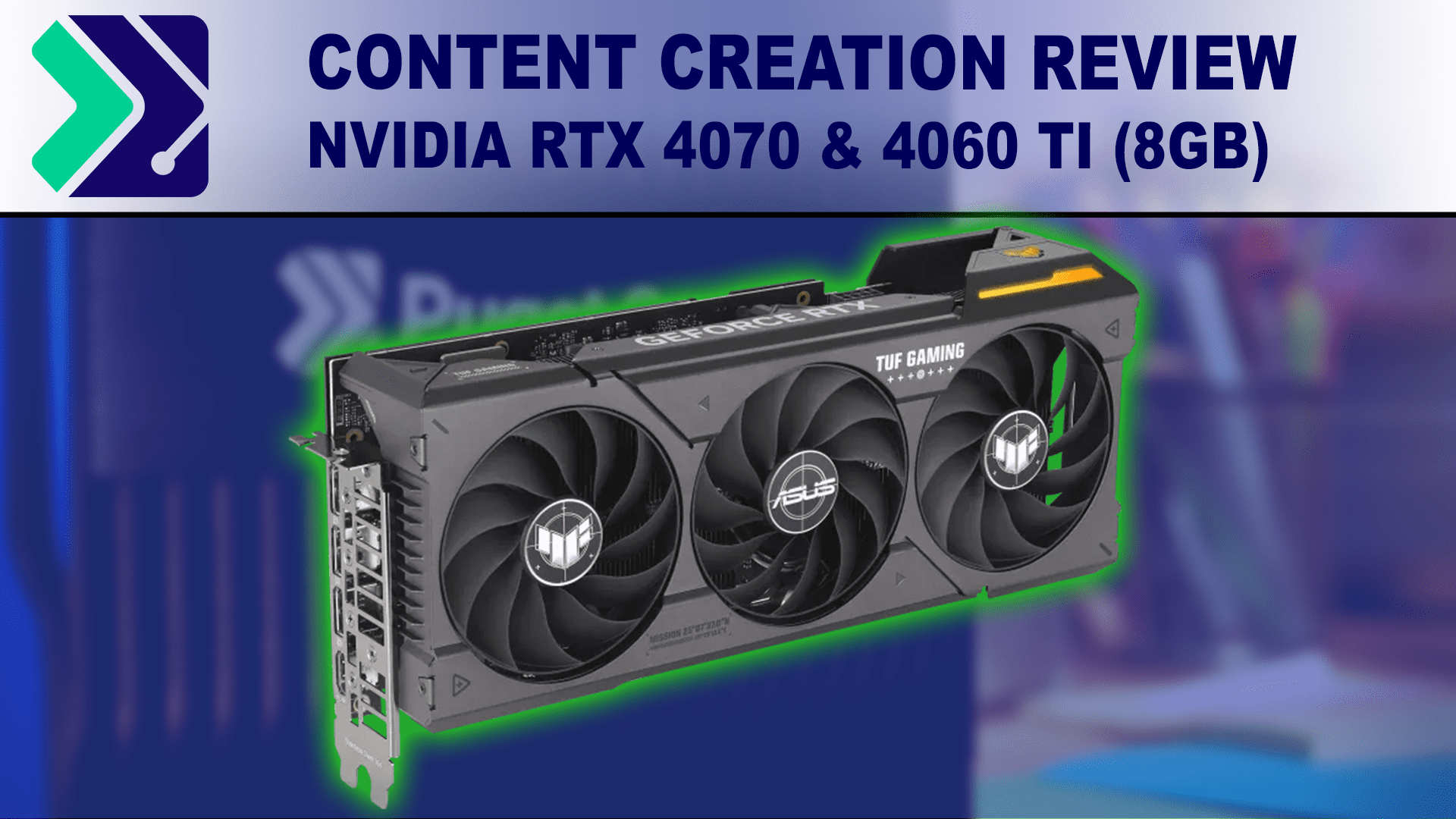
The NVIDIA GeForce RTX 4070 and 4060 Ti (8GB) are the most recent additions to NVIDIAs consumer family of GPUs on their Ada Lovelace Architecture. How do they compare for content creation against their previous generation counterparts?
Puget Systems builds custom workstations, servers and storage solutions tailored for your work.
We provide:
Extensive performance testing
making you more productive and giving better value for your money
Reliable computers
with fewer crashes means more time working & less time waiting
Support that understands
your complex workflows and can get you back up & running ASAP
A proven track record
as shown by our case studies and customer testimonials