AMD’s new Radeon graphics cards promise great gaming performance. But how to they stack up in Virtual Production or ArchViz workloads? And is Unreal Engine ready for these new cards?
AMD’s new Radeon graphics cards promise great gaming performance. But how to they stack up in Virtual Production or ArchViz workloads? And is Unreal Engine ready for these new cards?
AMD recently launched their new Radeon RX 6800 and 6800 XT GPUs, but while Photoshop does have a number of effects that can utilize the GPU, there generally isn’t much of a performance difference between various cards. Will this hold true with the 6800 (XT), or will AMD take a lead in Photoshop?

PCI-Express has been the standard for connecting video cards and other expansion devices inside of computers for many years now, and several generations of the technology have now passed. With each of those generations, the amount of data that can be transferred over the PCIe connection has increased. How much impact does that have on modern video cards? Is there any benefit to running a PCIe 3.0 card in a 4.0 slot, or loss if using a 4.0 card in a 3.0 slot?

AMD has three current chipsets for their mainstream Ryzen processors, each targeting a different segment of the market with appropriate features and pricing. What is the difference between each of these chipsets, though? Knowing that can help make sure you get the right motherboard for your next workstation PC.
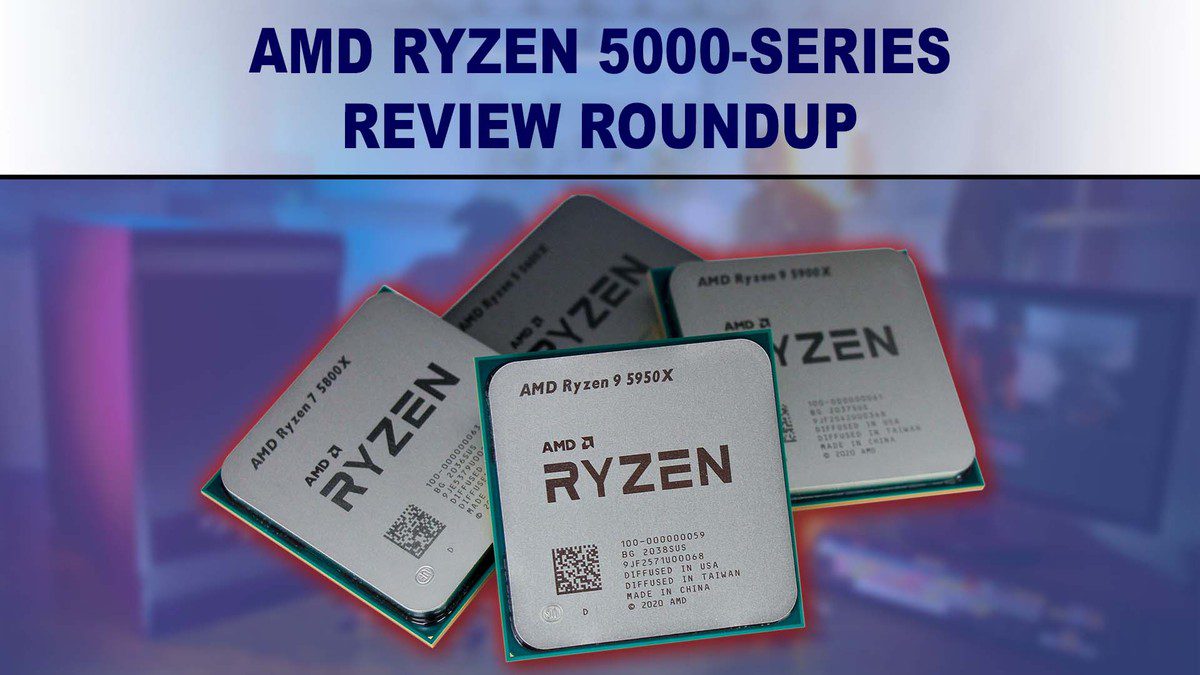
AMD’s new Ryzen 5000 Series processors are here, with significant improvements including an advertised 19% improvement in IPC (instructions per clock). This should result in large performance gains across the board, but exactly how well do these CPUs perform in the real world?
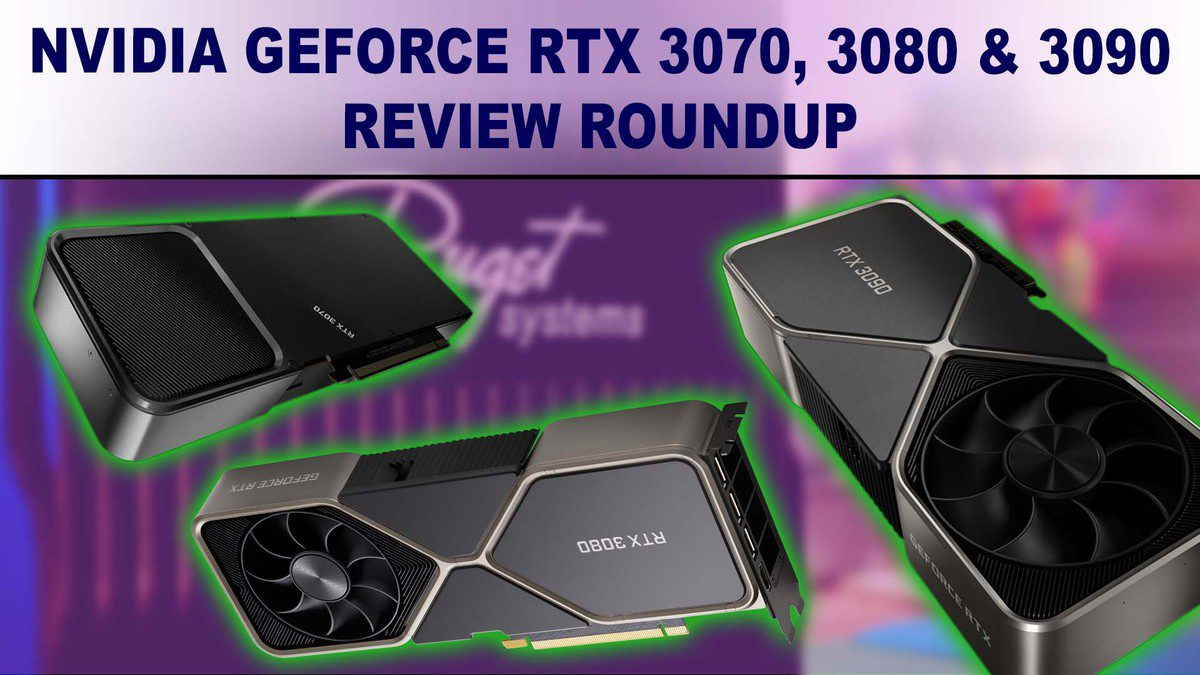
The RTX 30-series cards are here, with NVIDIA boasting significant performance gains over the previous generation. We have looked at how the RTX 3070 8GB, RTX 3080 10GB and RTX 3090 24GB perform in a range of professional applications to help you decide whether they are worth using in a new workstation, or as an upgrade in your current system.

While applications like Lightroom Classic utilize the GPU to accelerate a number of tasks, investing in a high-end GPU generally doesn’t net you much performance gain. With NVIDIA’s new RTX 3070, 3080 and 3090 cards, will this continue to hold true, or is there a reason to invest in one of these new GPUs?

After Effects is primarily limited by the performance of your CPU, but recent improvements by Adobe has made the GPU increasingly important. With NVIDIA’s new RTX 3070 8GB, 3080 10GB, and 3090 24GB video cards bringing significantly higher raw performance to the table, will this translate into improved performance in After Effects?
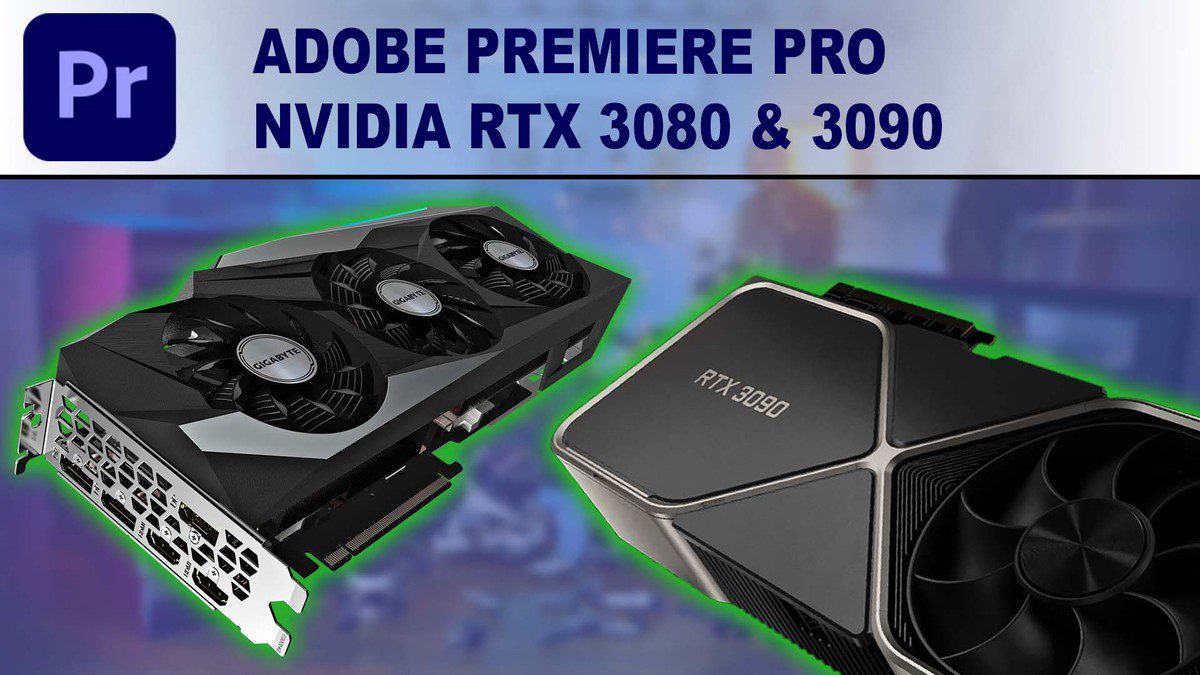
Adobe has been focusing fairly heavily on GPU performance in the latest versions of Premiere Pro, adding more GPU accelerated effects as well as GPU-based hardware encoding. NVIDIA’s new RTX 3070 8GB, 3080 10GB and RTX 3090 24GB cards are touted as having significant performance advantages over previous generations, but will this make any difference for the typical Premiere Pro user?
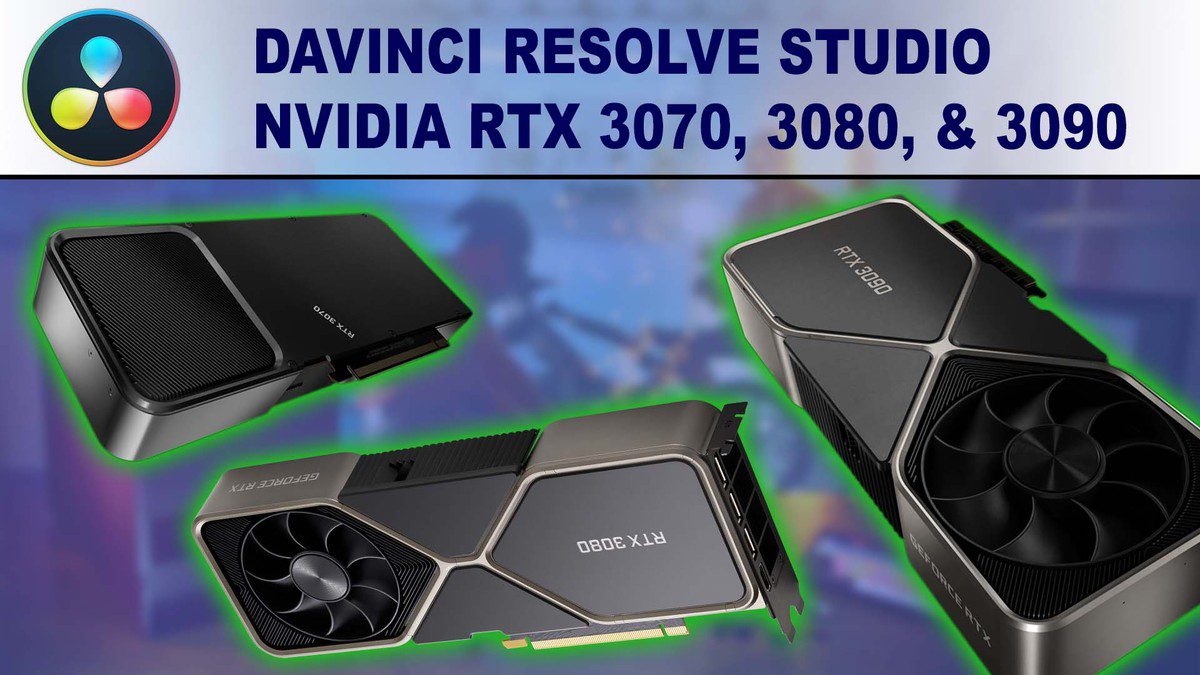
DaVinci Resolve has long been known for how well it utilizes the power of your GPU, but will it benefit from the raw power of the new NVIDIA GeForce RTX 3070 8GB, RTX 3080 10GB or RTX 3090 24GB video cards?
Puget Systems builds custom workstations, servers and storage solutions tailored for your work.
We provide:
Extensive performance testing
making you more productive and giving better value for your money
Reliable computers
with fewer crashes means more time working & less time waiting
Support that understands
your complex workflows and can get you back up & running ASAP
A proven track record
as shown by our case studies and customer testimonials