Depending on the number of GPU-accelerated effects you use, a higher-end GPU can give you a nice performance boost in Premiere Pro. But is it better to go with an NVIDIA GeForce RTX video card, or one of AMD’s Radeon GPUs?
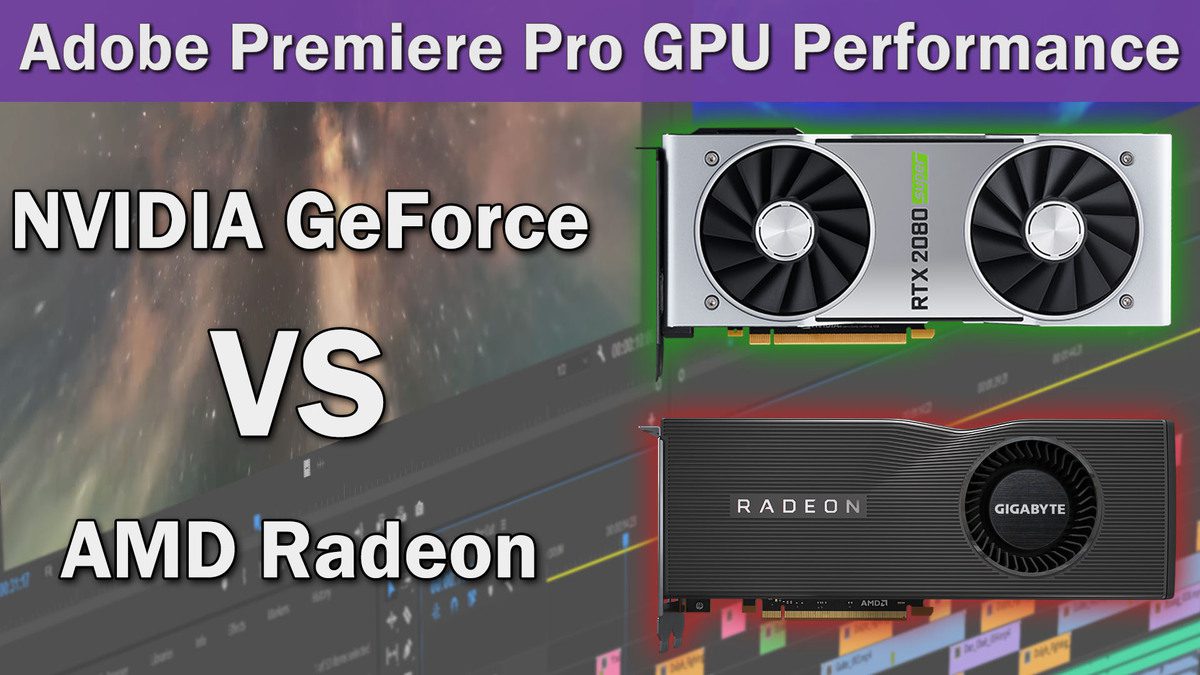
Depending on the number of GPU-accelerated effects you use, a higher-end GPU can give you a nice performance boost in Premiere Pro. But is it better to go with an NVIDIA GeForce RTX video card, or one of AMD’s Radeon GPUs?
In our past testing of Metashape, we have found that it only effectively uses around 8-16 cores. More than that doesn’t help, and so the focus for best performance is on high clock speeds within that range. What if you were running multiple photogrammetry jobs at the same time, though? Would that end up better utilizing a high core count processor?

With the recent release of SOLIDWORKS 2020’s first service pack, as well as multiple new CPU launches from Intel and AMD in the past few months, we thought it would be a good time to do a roundup of processor performance in modeling, rendering, and simulations within SOLIDWORKS.
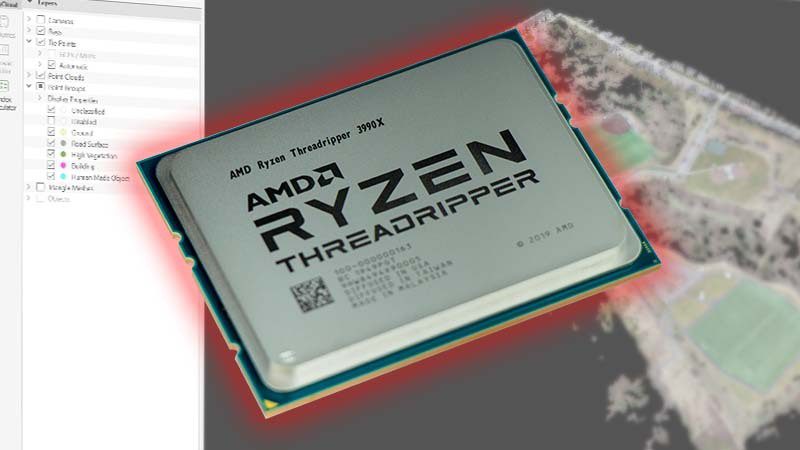
When AMD launched the 64-core Threadripper 3990X, some reviewers reported that performance of this 128-thread beast was hindered by running a normal version of Windows 10 Pro – and that instead using Windows 10 Pro for Workstations or Windows 10 Enterprise gave better results. We have investigated that claim using our in-house Pix4D and RealityCapture benchmarks to see if the choice of operating system could impact our customers.
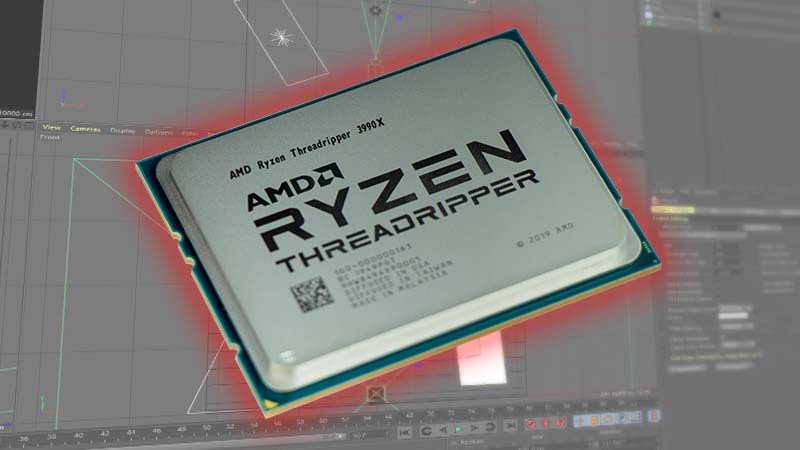
When AMD launched the 64-core Threadripper 3990X, some reviewers reported that performance of this 128-thread beast was hindered by running a normal version of Windows 10 Pro – and that using Windows 10 Pro for Workstations or Windows 10 Enterprise instead gave better results. We have investigated that claim using Cinebench and V-Ray benchmarks to see if the choice of operating system could impact our customers.

AMD’s Ryzen 3rd generation processors launched a few months ago, with both more cores and higher per-core performance than previous models in that series. Now AMD has released the top-end chip in this family, the Ryzen 9 3950X, with even more cores! In this article we will take a look at how it stacks up to a few other AMD and Intel processors in this application, focusing exclusively on rendering performance measured via Cinebench R20.

AMD’s Ryzen 3rd generation processors feature both an increase in core count and per-core performance over previous models, both of which directly improve rendering speeds in V-Ray Next. A few months after the initial launch, AMD has now released the Ryzen 9 3950X with even more cores! In this article we will take a look at how this chip handles V-Ray rendering, both in the pure CPU and GPU+CPU render pipelines.
Metashape, formerly known as PhotoScan, is a photogrammetry program that takes a set of images and combines them to create a 3D model or map. Processing of those images into point clouds and 3D meshes/textures is time-consuming, heavily using a computer’s CPU and GPU. With the release of AMD’s latest Ryzen 9 3950X processor, which combines a high core count with good per-core performance, we wanted to see how it and its sibling 3900X fare in this application compare to the reigning champ: Intel’s Core i9 9900K.
AMD’s new Ryzen 3rd generation processors feature both an increase in core count and per-core performance, allowing them to rival Intel’s mainstream Core processors in many professional applications. The first chips in this series did well with RealityCapture in our previous testing, but didn’t quite beat Intel’s Core i9 9900K, so now we are going to see how the top-end Ryzen 9 3950X fares.

AMD’s new Ryzen 3rd generation processors feature both an increase in core count and per-core performance, allowing them to rival and sometimes beat Intel’s mainstream Core processors in professional applications. Since AMD has finally released the top model in this series, the Ryzen 9 3950X, we decided to take a look at how it and some other competing CPUs handle Pix4D – which benefits from both core count and clock speed at various points throughout its workflow.
Puget Systems builds custom workstations, servers and storage solutions tailored for your work.
We provide:
Extensive performance testing
making you more productive and giving better value for your money
Reliable computers
with fewer crashes means more time working & less time waiting
Support that understands
your complex workflows and can get you back up & running ASAP
A proven track record
as shown by our case studies and customer testimonials