The Z97 and H97 chipset have recently been added to Intel’s line of chipsets, replacing the previous Z87 and H87 chipsets. These new chipsets are really more of an incremental update, but still add a little bit in terms of new features.
The Z97 and H97 chipset have recently been added to Intel’s line of chipsets, replacing the previous Z87 and H87 chipsets. These new chipsets are really more of an incremental update, but still add a little bit in terms of new features.
Using numerous technologies, CPUs are able to dynamically adjust their frequency based on how much load is being put on it. The end result is much greater efficiency, but it calls into question whether the base frequency of a CPU really means anything on modern processors since a CPU will rarely spend much of it’s time at that advertised frequency.
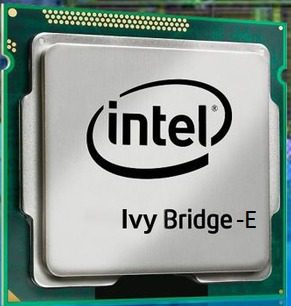
With Ivy Bridge-E, Intel is finally moving their enthusiast CPUs to their newer 22nm manufacturing process. While this does not greatly increase the raw frequency that the CPUs are able to run at, it does allow them to draw less power while doing so. In addition to the smaller manufacturing process, the new line also has more L2 cache per core and improved memory support.
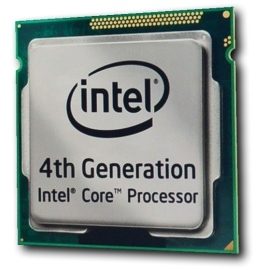
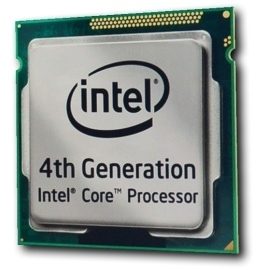
Haswell is the codename for Intel’s 4th generation of processors and is the “tock” in Intel’s “tick-tock” development cycle. This means that it uses the same 22nm process as Ivy Bridge, but includes a different mounting socket and many refinements to the chip’s architecture.
Puget Systems builds custom workstations, servers and storage solutions tailored for your work.
We provide:
Extensive performance testing
making you more productive and giving better value for your money
Reliable computers
with fewer crashes means more time working & less time waiting
Support that understands
your complex workflows and can get you back up & running ASAP
A proven track record
as shown by our case studies and customer testimonials