Photoshop does utilize the video card to accelerate a number of tasks, but a high end GPU is rarely necessary to get great performance. Do the RTX cards follow this trend, or do the new RT and tensor cores give them a performance advantage?
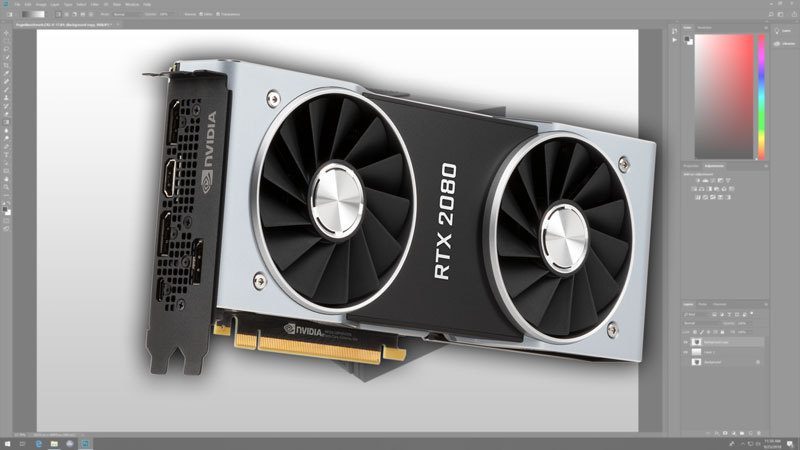
Photoshop does utilize the video card to accelerate a number of tasks, but a high end GPU is rarely necessary to get great performance. Do the RTX cards follow this trend, or do the new RT and tensor cores give them a performance advantage?

NVIDIA recently released version 10.0 of CUDA. This is an upgrade from the 9.x series and has support for the new Turing GPU architecture. This CUDA version has full support for Ubuntu 18.4 as well as 16.04 and 14.04. The CUDA 10.0 release is bundled with the new 410.x display driver for Linux which will be needed for the 20xx Turing GPU’s. If you are doing development work with CUDA or running packages that require you to have the CUDA toolkit installed then you will probably want to upgrade to this. I’ll go though how to do the install of CUDA 10.0 either by itself or along with an existing CUDA 9.2 install.

We currently know of at least two actions in Photoshop CC 2018 that cause image artifacts with the new RTX 2080 series video cards.

In this video, Paul with RedGamingTech talks with Jon Bach, the Founder of Puget Systems. Paul and Jon discuss details about the overall PC industry and the approach that Puget Systems take and how we found our niche in the industry.
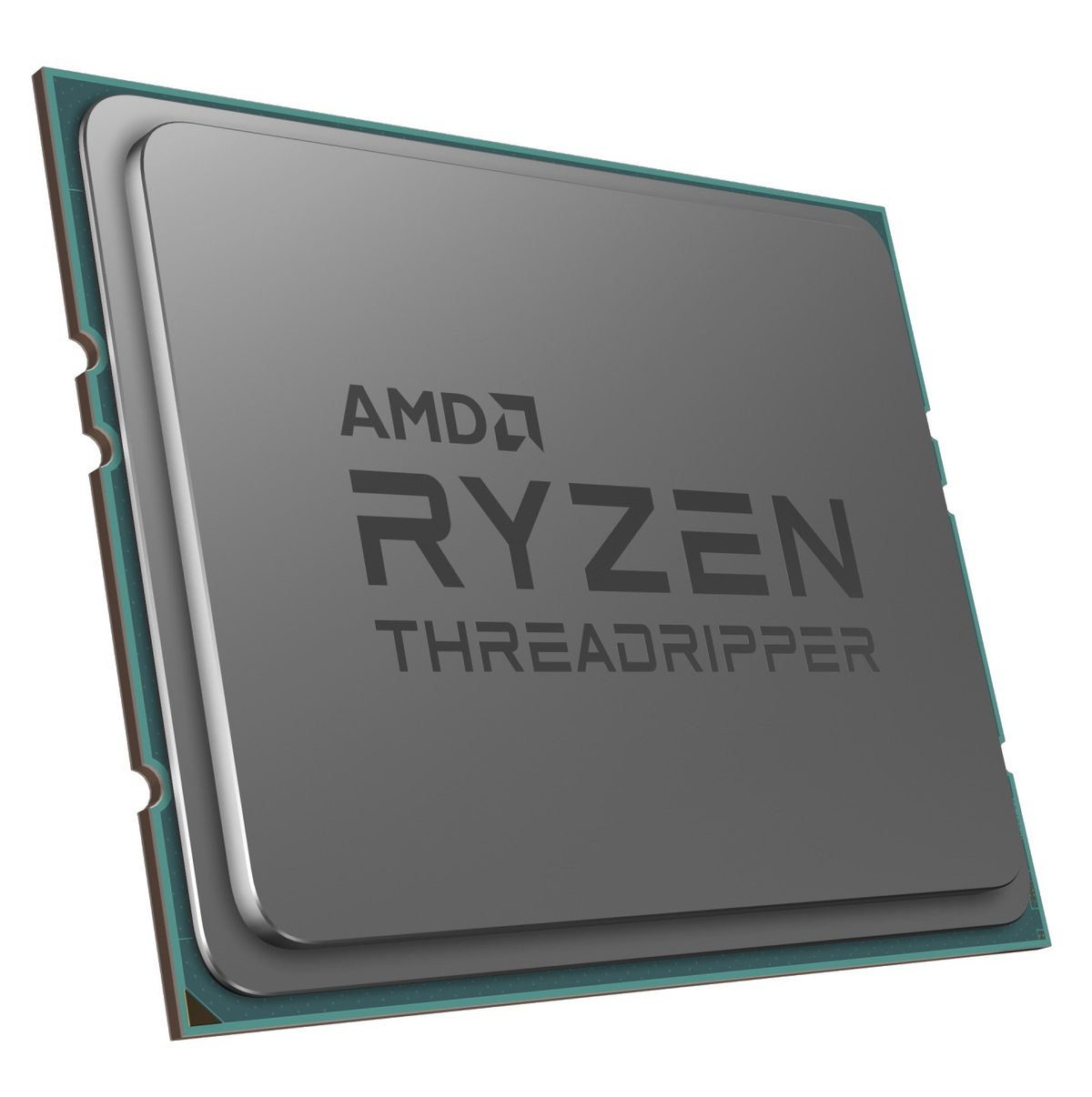
AMD’s new 2nd Gen Ryzen Threadripper processors are absolute monsters, with the 2990WX in particular having 32(!) cores. But are they better than Intel for video editing?

NVIDIAs new GeForce RTX video cards have been all the talk lately. There is a lot of debate on the value that real time ray tracing brings to games, and some questions on how useful these cards will be to traditional ray traced renderers. With these cards becoming available for testing, and reviews starting to come in, many of these questions will be answered. However, there is an aspect to these cards that is often being overlooked: how the advances in real time ray tracing will dramatically cut down on production time before the rendering stage.

DaVinci Resolve is a very GPU-intensive program, but it can still require a powerful CPU to match the amount of GPU power you may put into your system. We have seen diminishing returns with higher core count CPUs in the past, so the question is whether the 32 cores in the Threadripper 2990WX will increase performance or if you are better off with a lower core count CPU.

In the past, AMD’s Threadripper CPUs have fared very well in Premiere Pro, but fell behind their Intel counterparts by the slimmest of margins. With the new 32 core Threadripper 2990WX and 16 core 2950X, will AMD finally overtake Intel as the best value for Premiere Pro users?

Photoshop is definitely not the target market for AMD’s new Threadripper 2990WX 32 Core or 2950X 16 core CPUs, but even so we wanted to see how it stacks up against the previous generation Threadripper CPUs as well as a number of Intel Core i7/i9 CPUs.

For several years, After Effects has not performed very well with high core count CPUs – instead favoring processors that have higher per-core performance. This means that while AMD’s new Threadripper CPUs like the 2990WX and 2950X are very impressive in some applications, they shouldn’t be terribly great for After Effects compared to their Intel counterparts.
Puget Systems builds custom workstations, servers and storage solutions tailored for your work.
We provide:
Extensive performance testing
making you more productive and giving better value for your money
Reliable computers
with fewer crashes means more time working & less time waiting
Support that understands
your complex workflows and can get you back up & running ASAP
A proven track record
as shown by our case studies and customer testimonials