Master Boot Record (MBR) disks utilize the Legacy/BIOS partition table while GUID Partition Table (GPT) disks use Unified Extensible Firmware Interface (UEFI). This guide will help you convert a secondary drive from MBR to GPT.
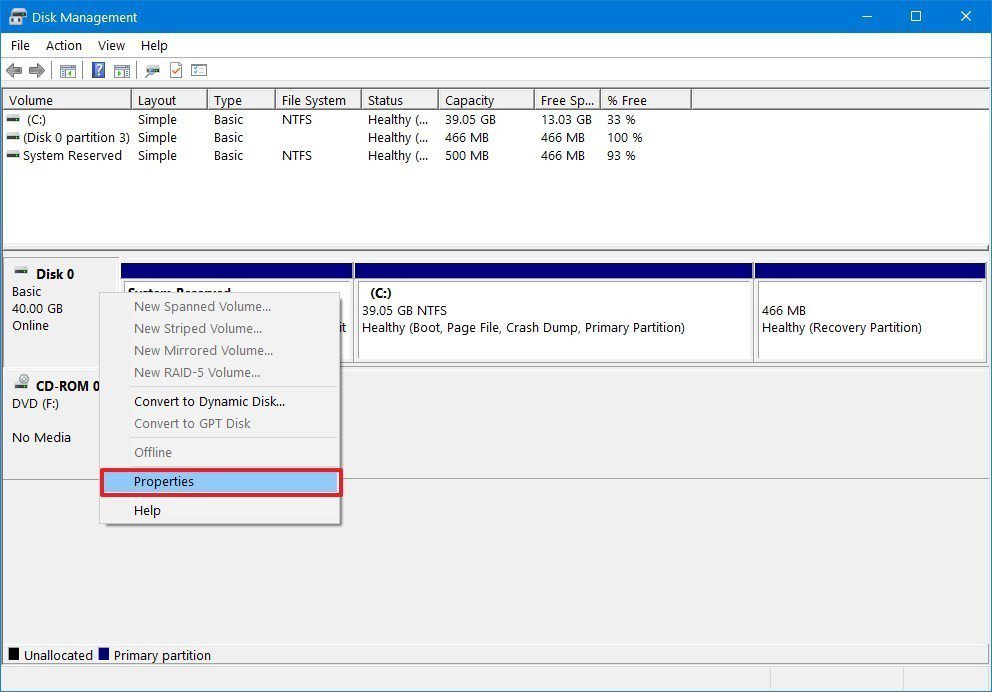
Master Boot Record (MBR) disks utilize the Legacy/BIOS partition table while GUID Partition Table (GPT) disks use Unified Extensible Firmware Interface (UEFI). This guide will help you convert a secondary drive from MBR to GPT.

Ben Eshagpoor is the talented Creative Director at beMOTION & dESIGN. He went to film school to study cinematography, before moving to Los Angeles. While he spends his days working with photography, motion graphics, and 3D artist, he is most proud of being a husband and father to two boys.
A short article covering some of the best computer system configurations for rendering with V-Ray at the close of 2020.

AMD’s Ryzen 5000 Series processors have shown stellar performance across a wide range of applications so far, and now we have the opportunity to test them head-to-head against Intel’s Core series in SOLIDWORKS 2020.
A short article covering the best computer system configurations for photogrammetry in Metashape at the end of 2020.

In the past we have found that Metashape can perform better on high core count processors when SMT is turned off, but the top CPUs at that time were Intel’s 8 & 10-core models which didn’t benefit from this trick. Now that AMD’s Ryzen 5000 Series are the fastest chips for Metashape is it worth turning SMT off on these processors, some of which do have high core counts?
Norb Caoili is the Seattle Seahawks superfan who created the popular YouTube channel called NorbCam.
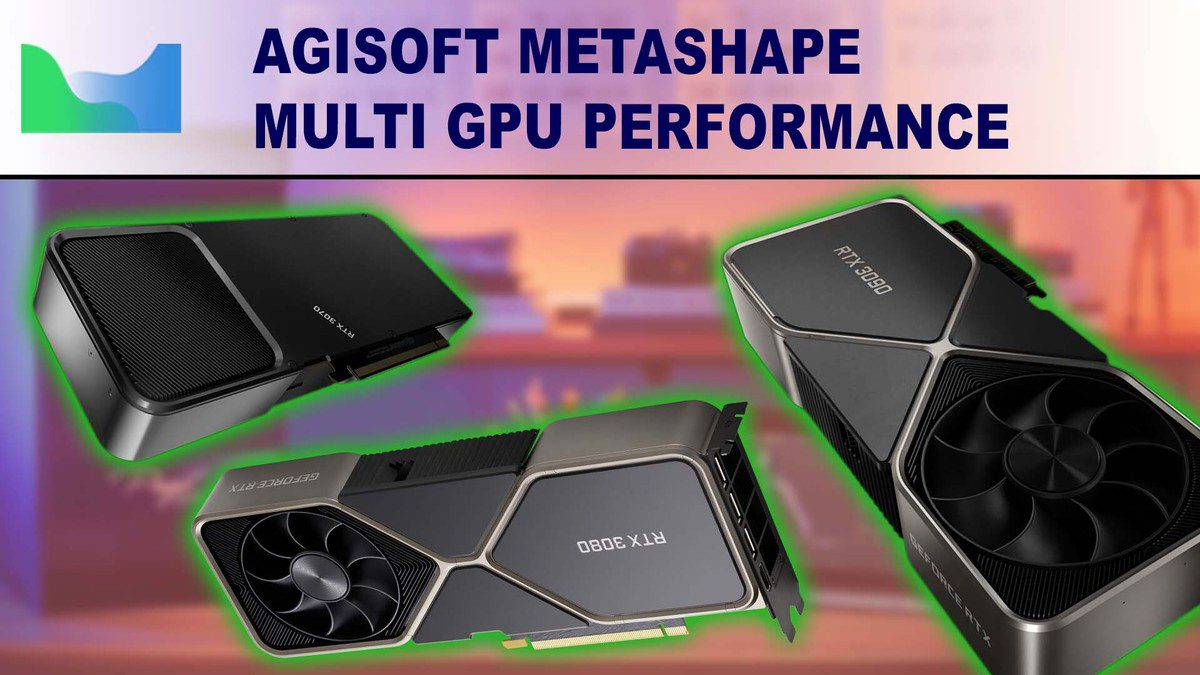
Agisoft Metashape has had an interesting history with multi-GPU performance. At different points in time, and with different generations of video cards, we have seen both substantial boosts from having multiple video cards as well as next to none. With the latest AMD CPUs and NVIDIA GPUs, we are testing this aspect of Metashape once more.
Here are our best recommendations for OctaneRender workstations at the end of 2020 and going into the new year.

In this post I will show you how to install NVIDIA’s build of TensorFlow 1.15 into an Anaconda Python conda environment. This is the same TensorFlow 1.15 that you would have in the NGC docker container, but no docker install required and no local system CUDA install needed either.
Puget Systems builds custom workstations, servers and storage solutions tailored for your work.
We provide:
Extensive performance testing
making you more productive and giving better value for your money
Reliable computers
with fewer crashes means more time working & less time waiting
Support that understands
your complex workflows and can get you back up & running ASAP
A proven track record
as shown by our case studies and customer testimonials