We look back at our records for 2025 to highlight specific brands and models of workstation computer components that we found to be exceptionally reliable.
We look back at our records for 2025 to highlight specific brands and models of workstation computer components that we found to be exceptionally reliable.

4 DIMM configurations on consumer CPUs increase memory capacity but reduce RAM speed. How does that impact content creation and professional workflows?
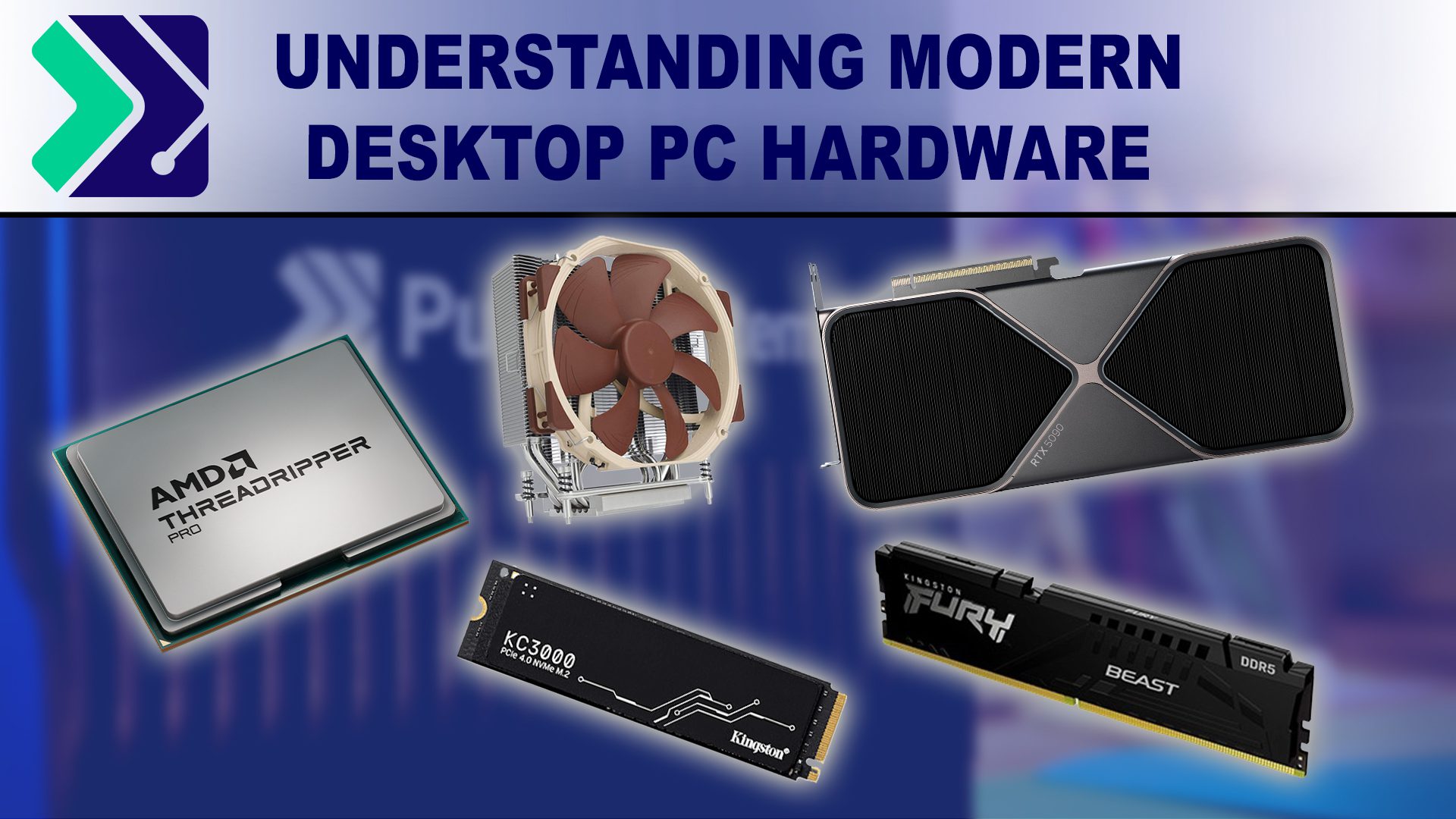
Stay up to date with the latest desktop PC hardware—CPUs, RAM, storage solutions, and GPUs—all broken down in one comprehensive resource.
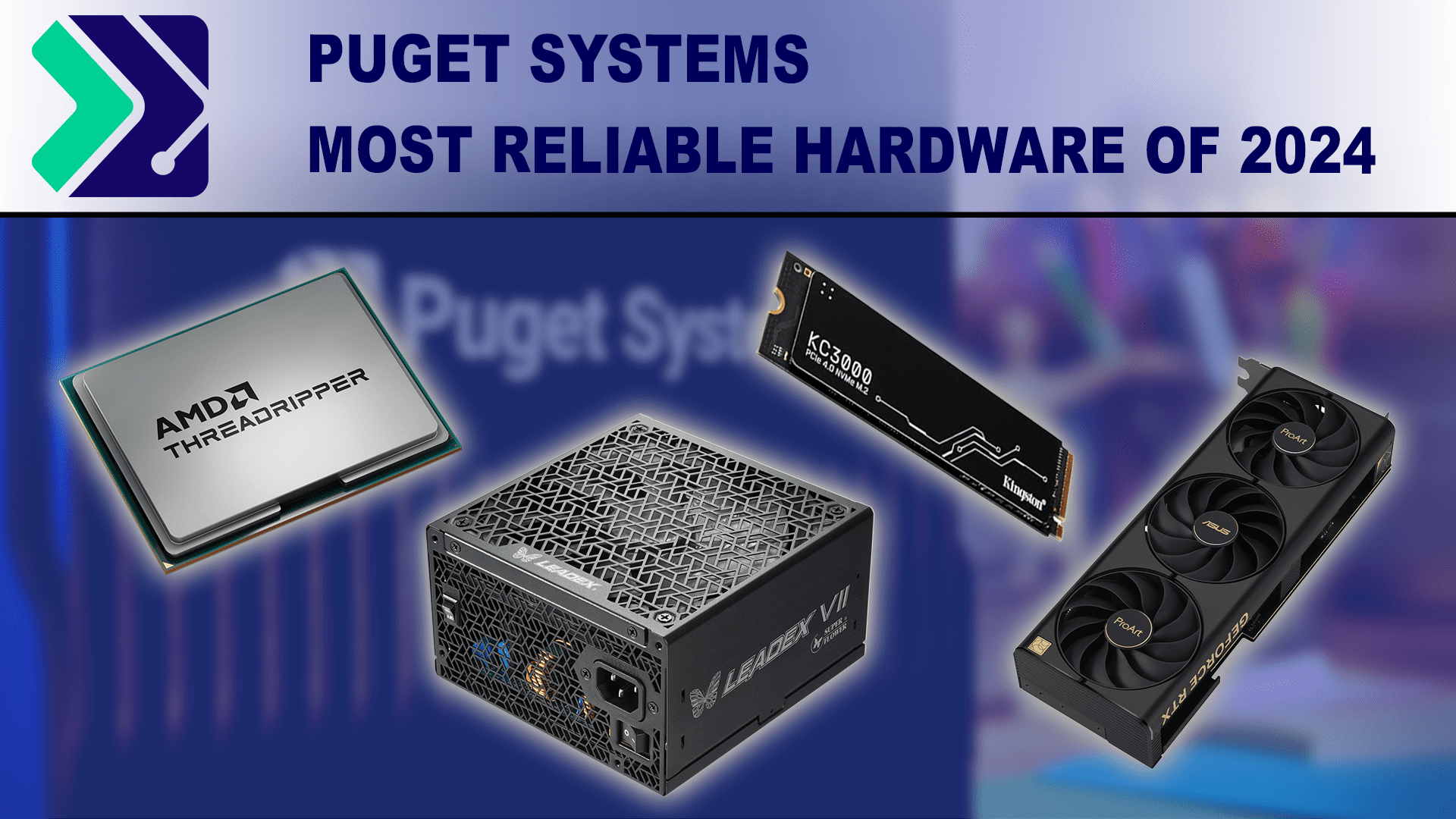
With 2024 wrapped up, we want to take the opportunity to call out specific brands and models that had exceptional reliability over the last year.
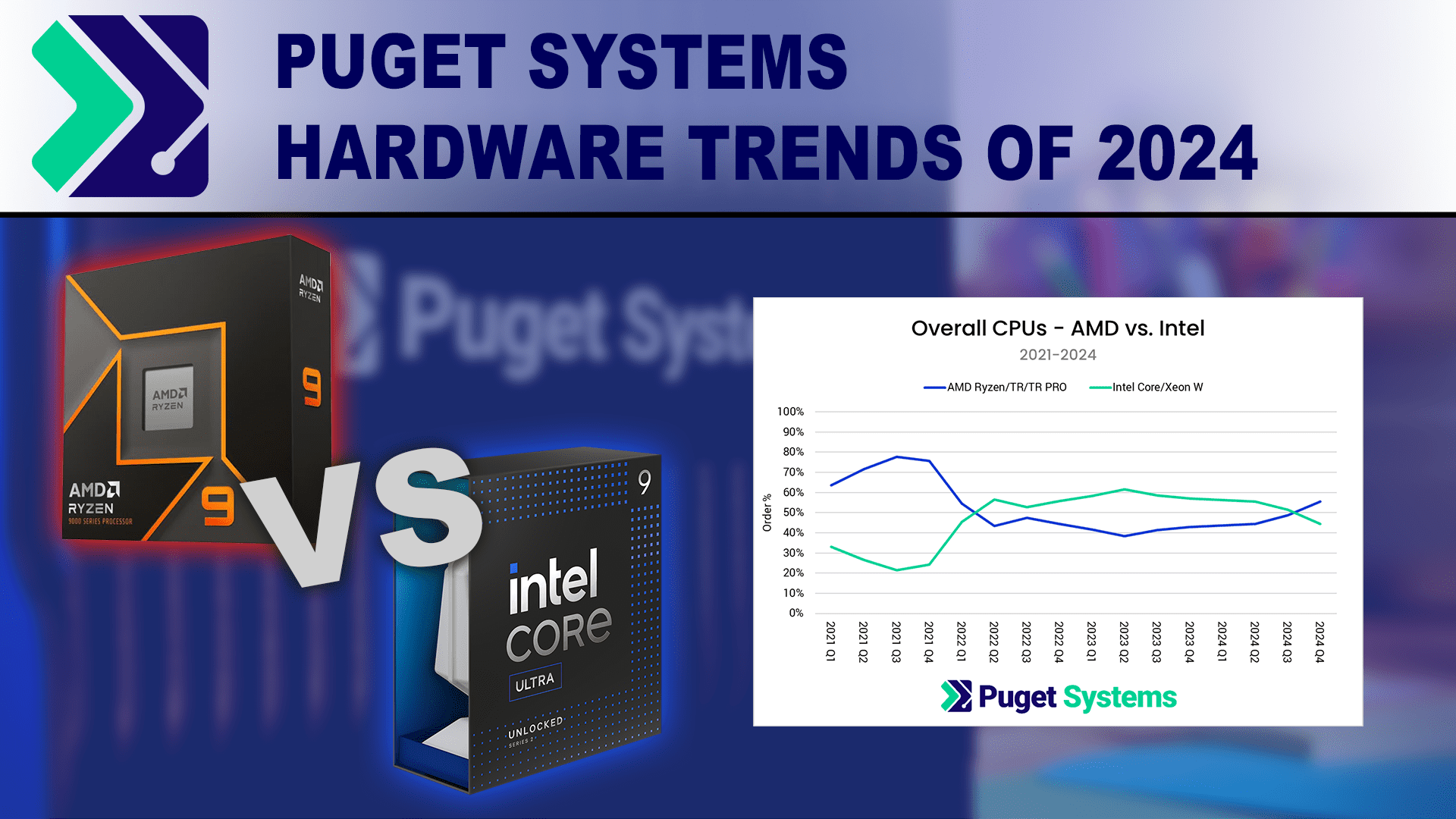
With 2024 at a close, we wanted to look back at the sales trends we saw for CPUs, GPUs, storage, RAM and operating systems.
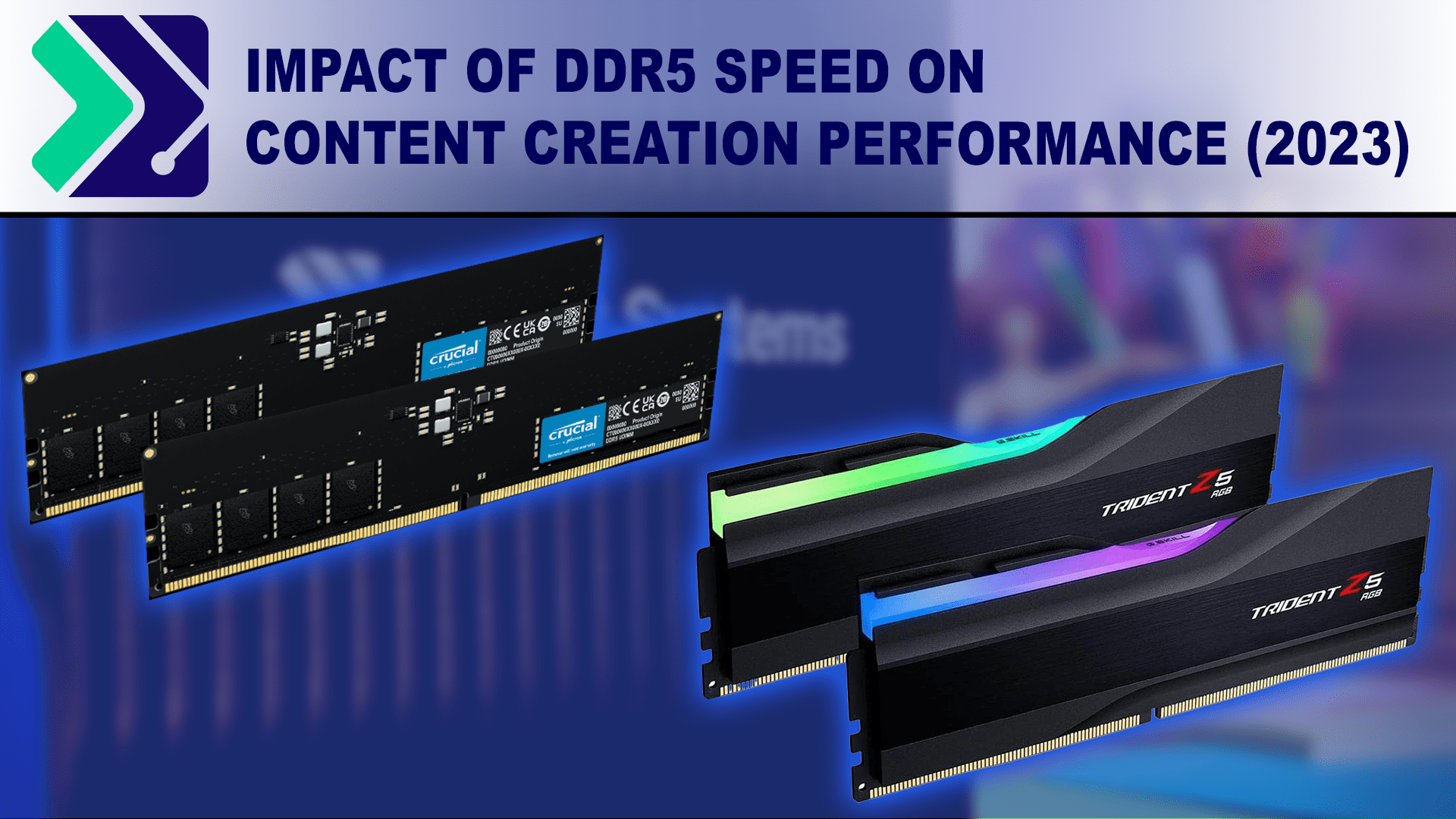
DDR5 memory has kits rated for up to 8400 Mbps, while desktop CPUs only officially support up to 5600 Mbps. How much does running at official specifications actually impact performance in common content creation applications?
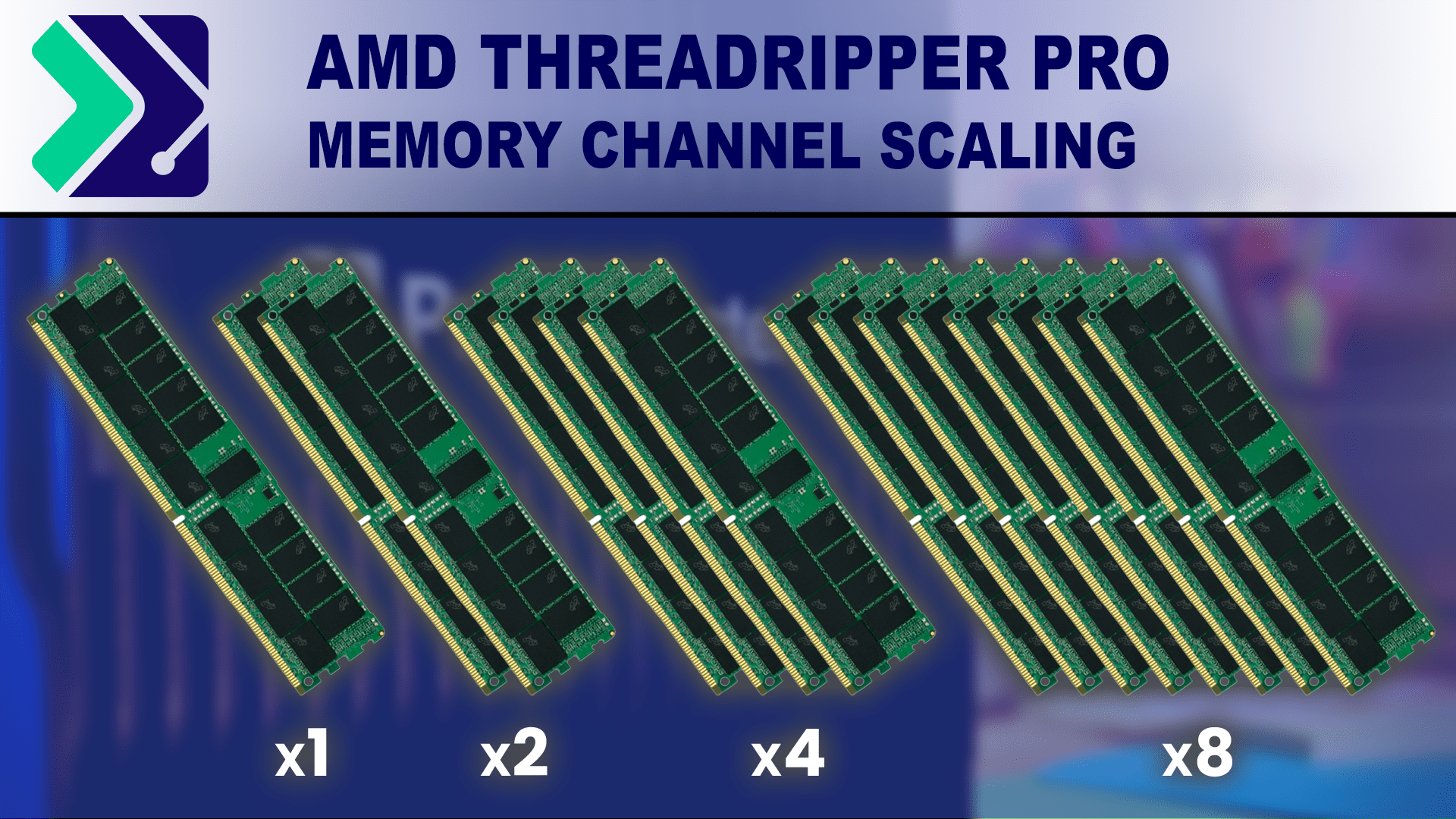
Do modern high-end processors really need up to eight memory channels? How is their performance affected if the number of channels is artificially limited?
The latest Intel 12th Gen processors officially support a range of DDR5 RAM speeds between DDR5-3600MHz and DDR5-4800MHz depending on a number of factors including how many RAM slots are on the motherboard, how many sticks are used, and whether the sticks are single or dual rank. But if you stick with JEDEC specifications for frequency and timing, how much does this actually impact performance in common content creation applications like Photoshop, Premiere Pro, and Unreal?
Here at Puget Systems, we have tried to be careful about sticking to CPU manufacturer memory specifications – to ensure the best reliability, and to avoid overclocking memory controllers (which could, technically, violate CPU warranties). But increasingly complicated memory speed support schemes on many newer processors, combined with a lack of supply of certain speed modules, has forced us to adopt a new approach to what we offer in our workstations.
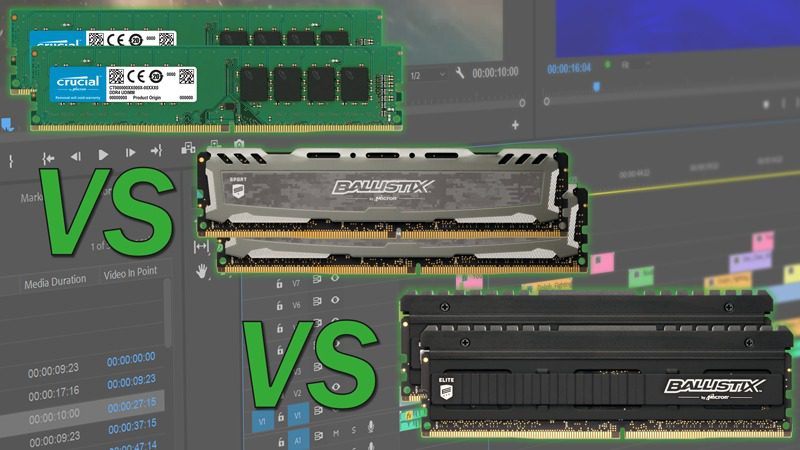
While we generally stick to the RAM speed that is officially supported by a processor, we get a lot of comments claiming that we are limiting performance by not using higher frequency memory. This begs the question: does RAM speed actually impact real-world performance in video editing applications?
Puget Systems builds custom workstations, servers and storage solutions tailored for your work.
We provide:
Extensive performance testing
making you more productive and giving better value for your money
Reliable computers
with fewer crashes means more time working & less time waiting
Support that understands
your complex workflows and can get you back up & running ASAP
A proven track record
as shown by our case studies and customer testimonials