In this article, we will be examining the impact on the performance of the AMD Ryzen Threadripper 7980X from two different coolers, the Noctua NH-U14S TR5-SP6 and the Asetek 836S-M1A 3x120mm.
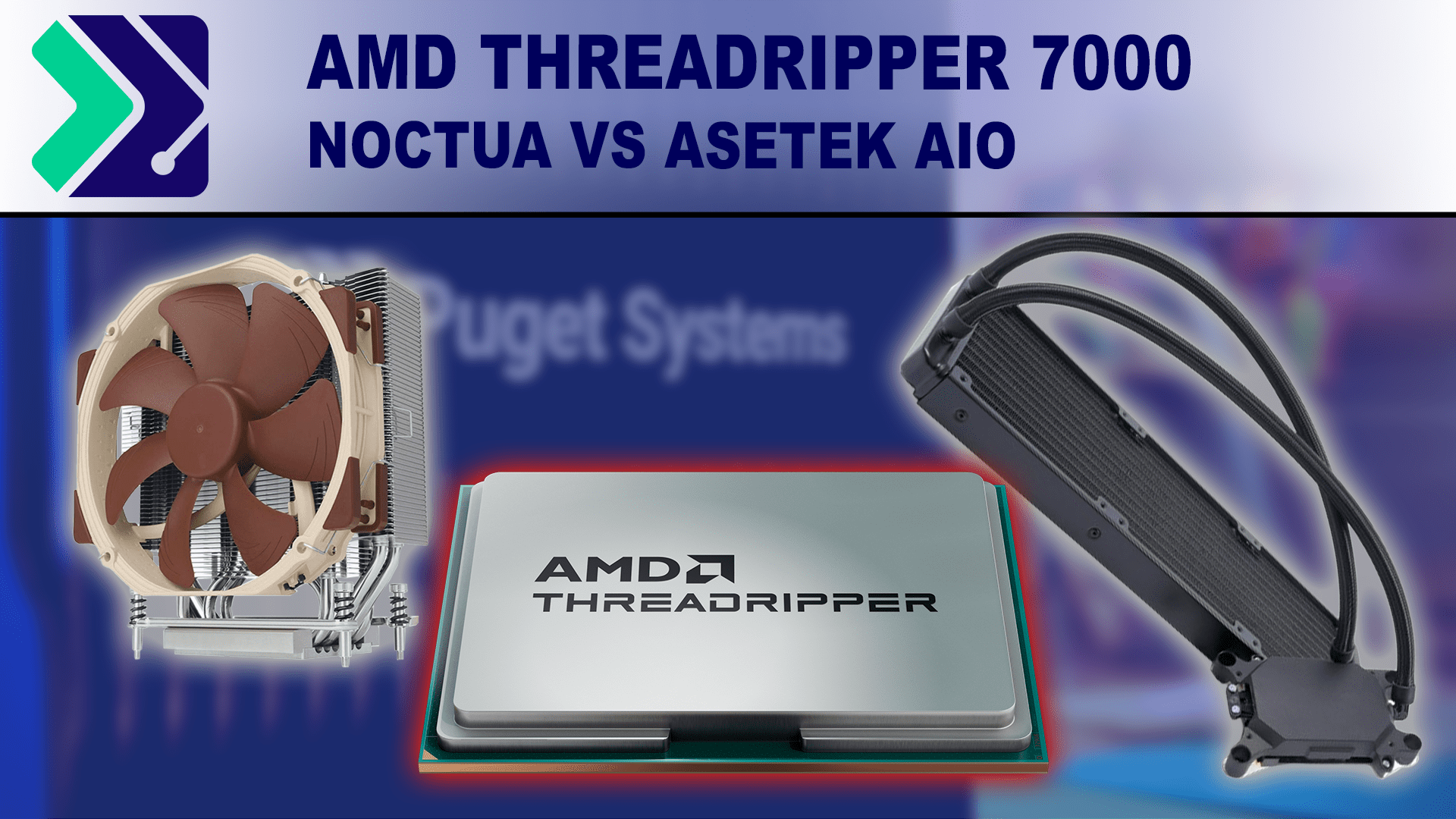
In this article, we will be examining the impact on the performance of the AMD Ryzen Threadripper 7980X from two different coolers, the Noctua NH-U14S TR5-SP6 and the Asetek 836S-M1A 3x120mm.
While most After Effects users will be best served with an Intel Core or AMD Ryzen processor, the new AMD Threadripper 7000 series offer terrific performance for those working with complex After Effects projects.

In this article, we examine the impact that power limits and large coolers have on content creation performance for the 14900K.
The new Intel Core 14th Gen processors are a refresh update of the previous 13th Gen processors. But, how much faster are they for content creation workflows?
14th Gen Intel processors have launched, offering a modest increase in performance. How well do they perform in After Effects, and will they extend Intel’s lead in this segment?
The Intel Arc Alchemist A770 and A750 launched 11 months ago. How have the Intel Arc A770 and A750 improved for content creation applications since then?
Installing add-in cards—like capture cards—can limit PCI-e bandwidth to the GPU. Does the reduction of PCI-e bandwidth harm performance in content-creation?
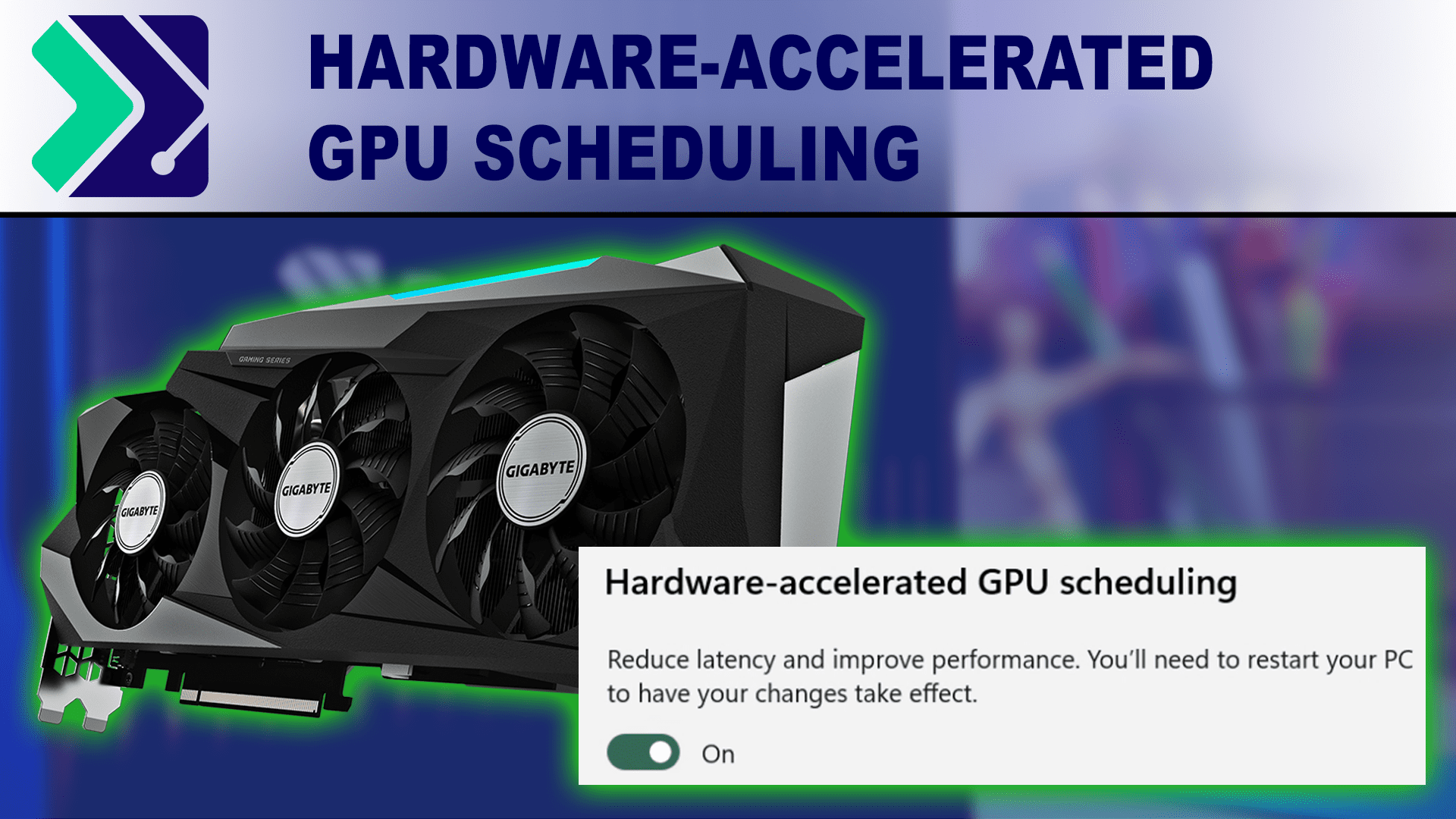
Hardware-accelerated GPU scheduling is a behind-the-scenes change in Windows to move processing GPU requests from the CPU to the GPU. Does enabling the feature have any impact on content creation performance?
DDR5 memory has kits rated for up to 8400 Mbps, while desktop CPUs only officially support up to 5600 Mbps. How much does running at official specifications actually impact performance in common content creation applications?
AMD’s Ryzen X3D processors promise incredible performance for gamers and creators. But does the additional cache increase performance for content creation?
Puget Systems builds custom workstations, servers and storage solutions tailored for your work.
We provide:
Extensive performance testing
making you more productive and giving better value for your money
Reliable computers
with fewer crashes means more time working & less time waiting
Support that understands
your complex workflows and can get you back up & running ASAP
A proven track record
as shown by our case studies and customer testimonials