The NVIDIA RTX PRO 6000 Blackwell Max-Q delivers workstation-class performance and can scale in multi-GPU setups for demanding content creation workflows
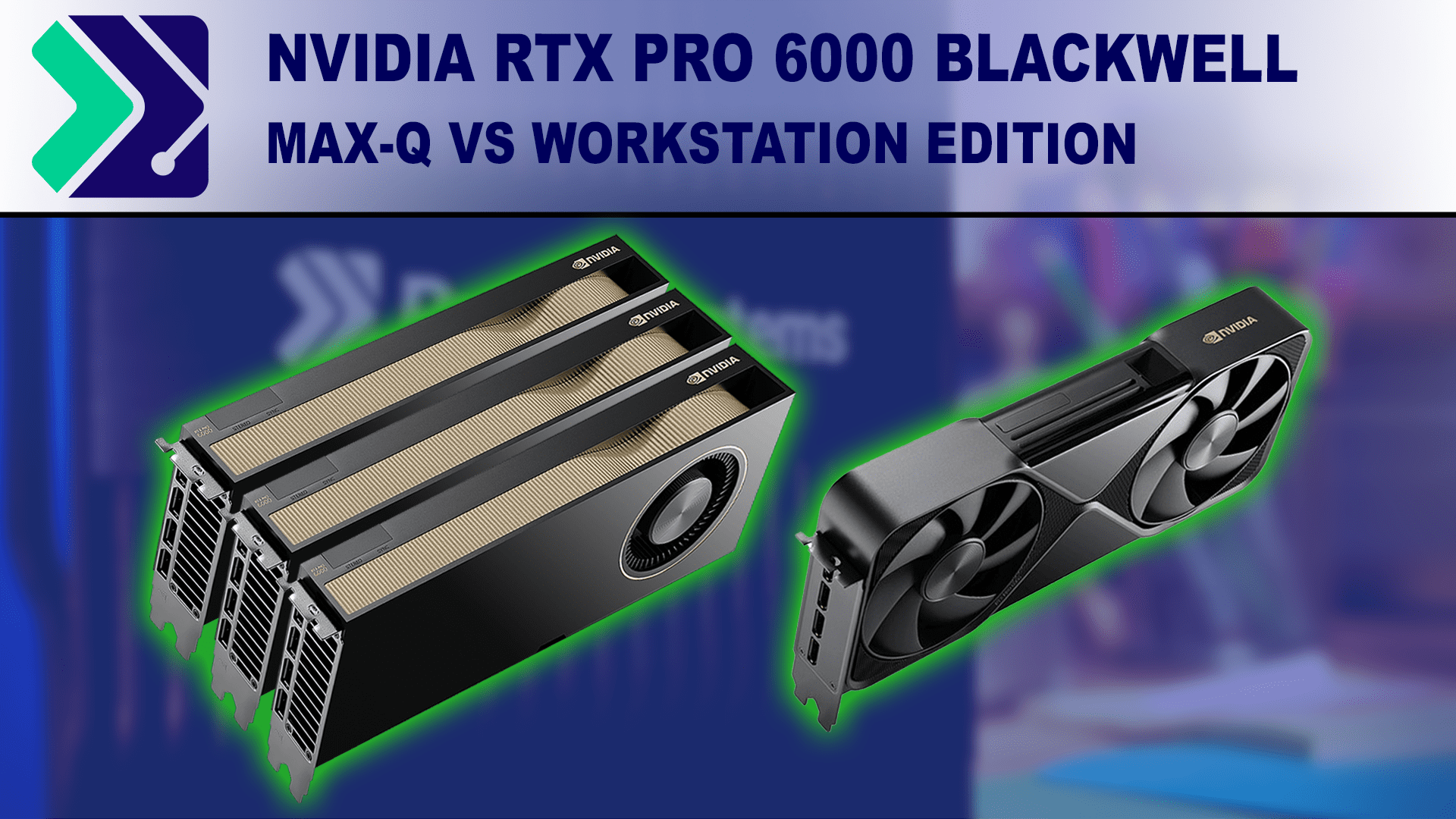
The NVIDIA RTX PRO 6000 Blackwell Max-Q delivers workstation-class performance and can scale in multi-GPU setups for demanding content creation workflows
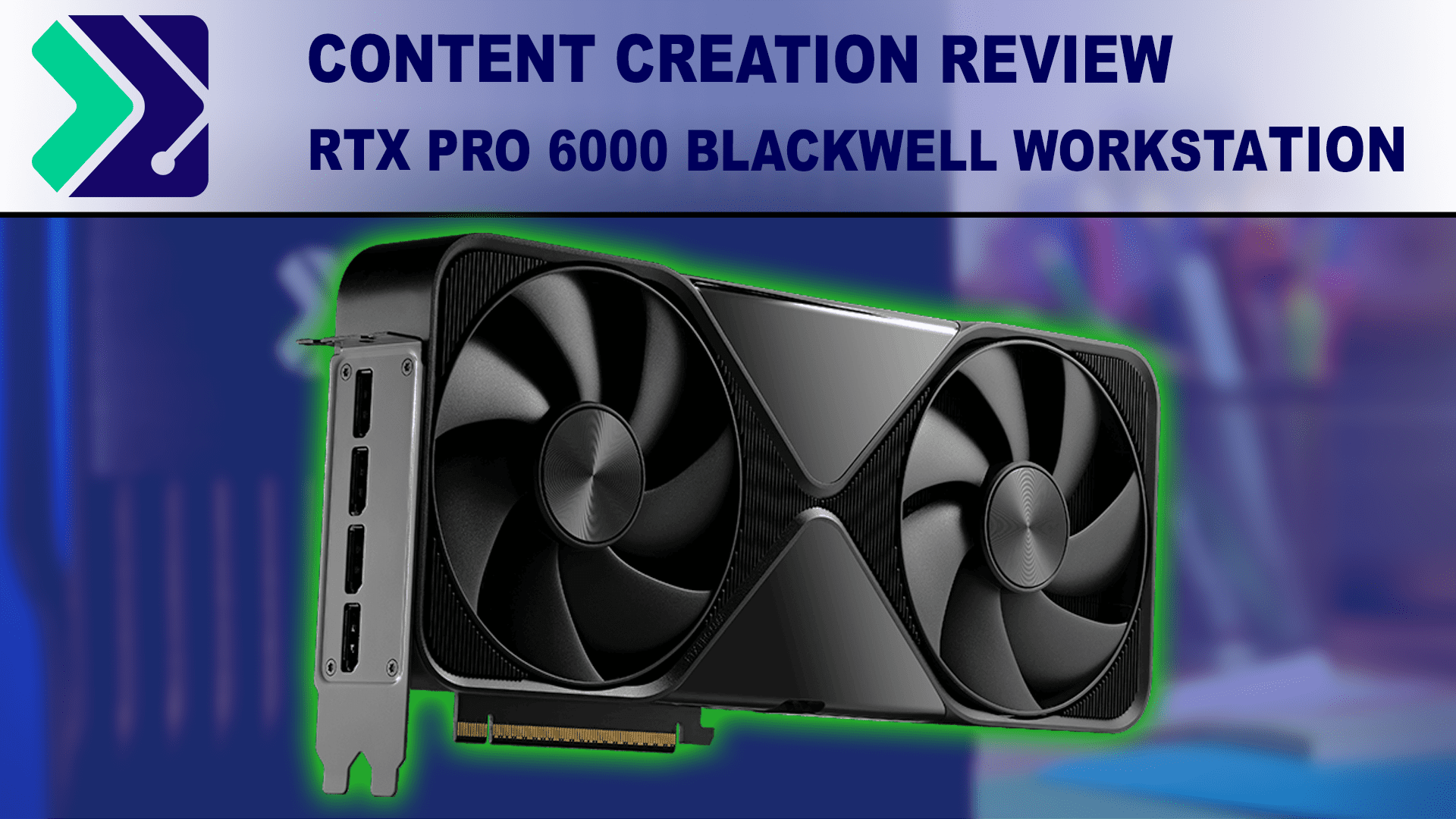
NVIDIA’s flagship professional GPU—the NVIDIA RTX PRO 6000 Blackwell Workstation Edition—has 96 GB of VRAM and the horsepower of a 5090.
How do a selection of GPUs from NVIDIA’s professional lineup compare to each other in the llama.cpp benchmark?
With the recent overhaul of our DaVinci Resolve benchmark, we thought it was a good time to do an in-depth analysis of the current professional GPUs on the market to see how they compare and handle multi-GPU scaling in DaVinci Resolve Studio.
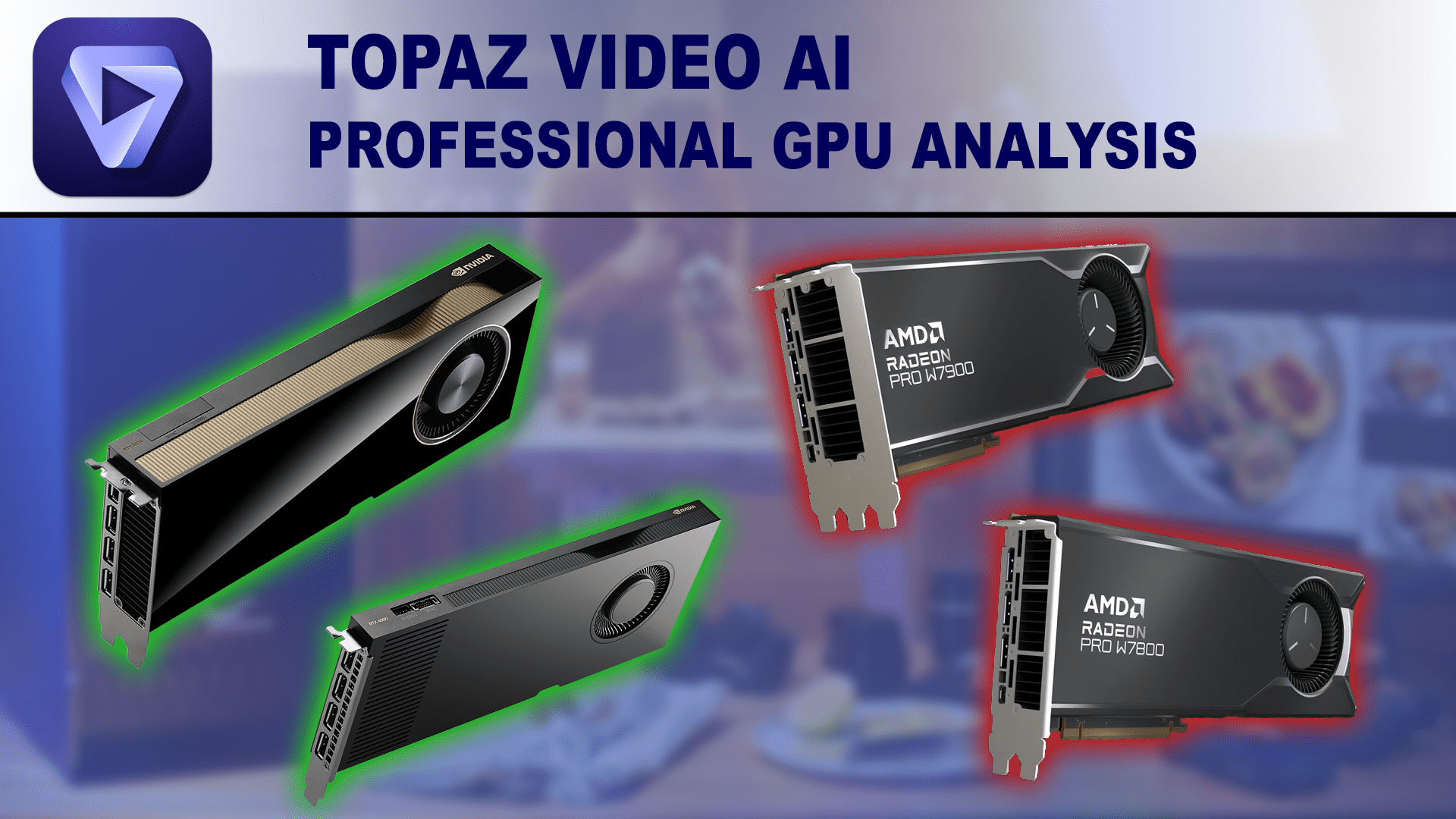
For Topaz Video AI, your choice of GPU can make a major impact on performance. But just what professional GPU is best? NVIDIA RTX, or AMD Radeon Pro?

NVIDIA has released the complete family of professional Ada cards. How do they compare to the last-gen Ampere based professional GPUs?
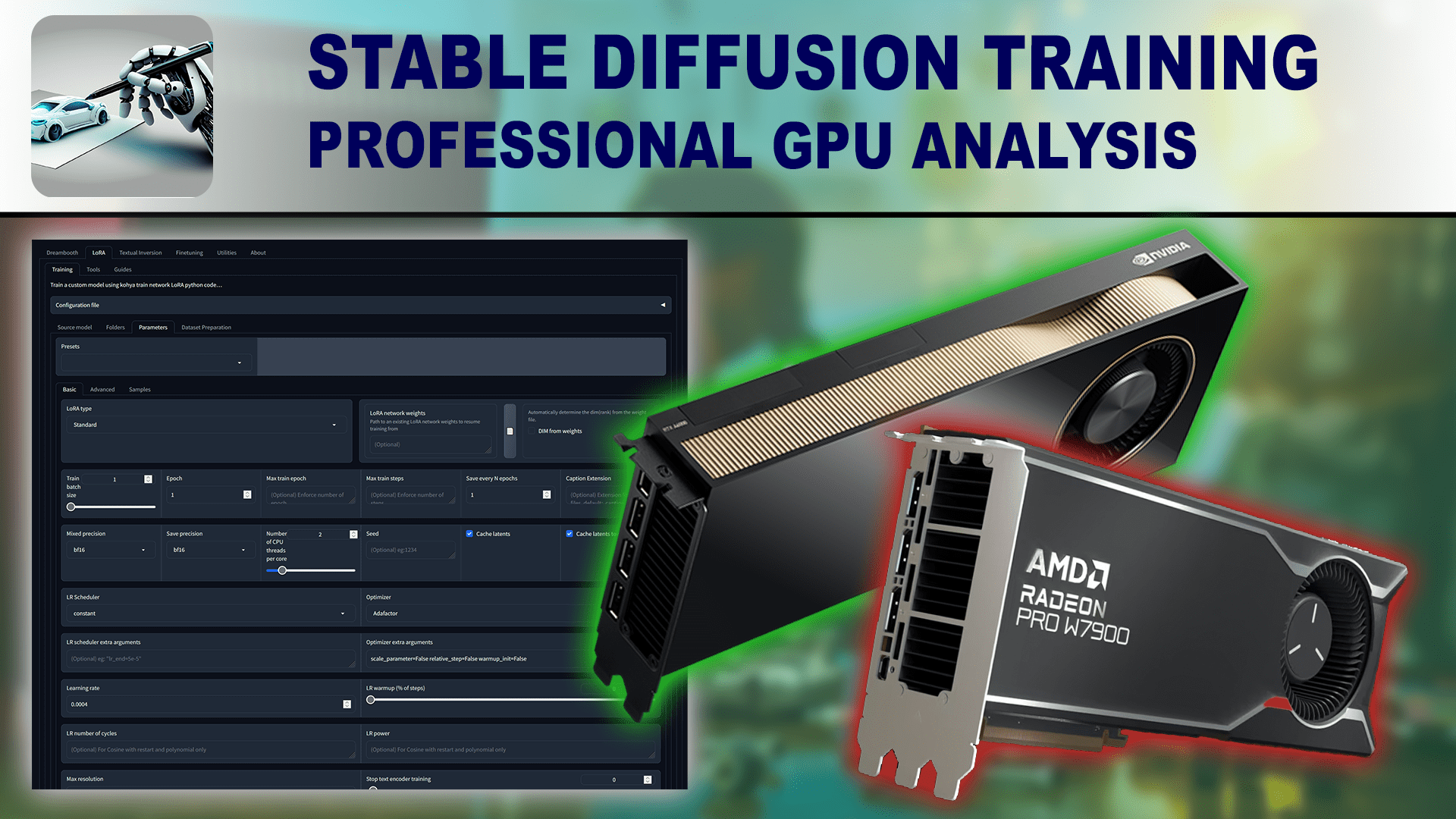
How does performance compare across a variety of professional-grade GPUs in regard to SDXL LoRA training?
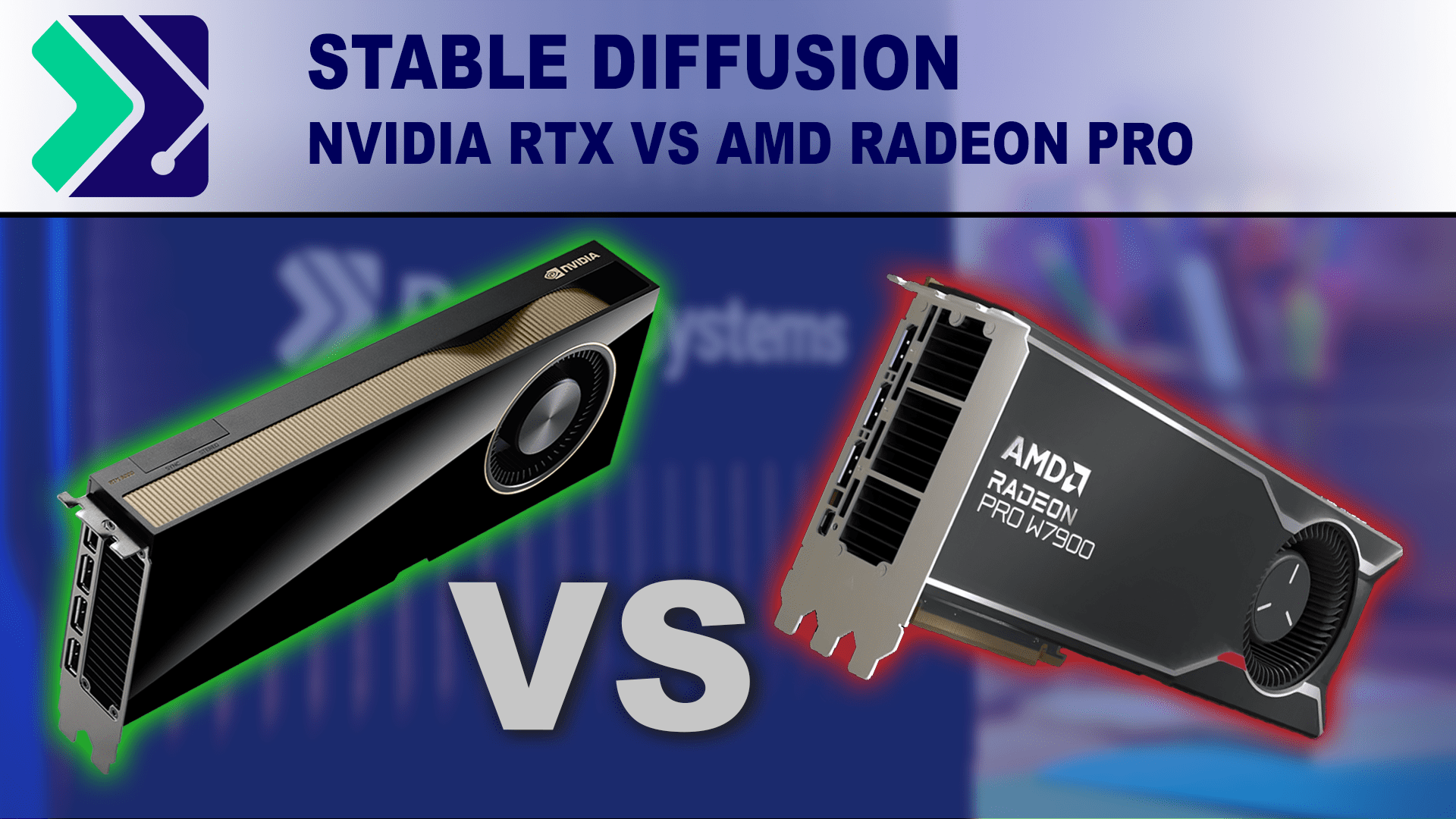
Stable Diffusion is seeing more use for professional content creation work. How do NVIDIA RTX and Radeon PRO cards compare in this workflow?
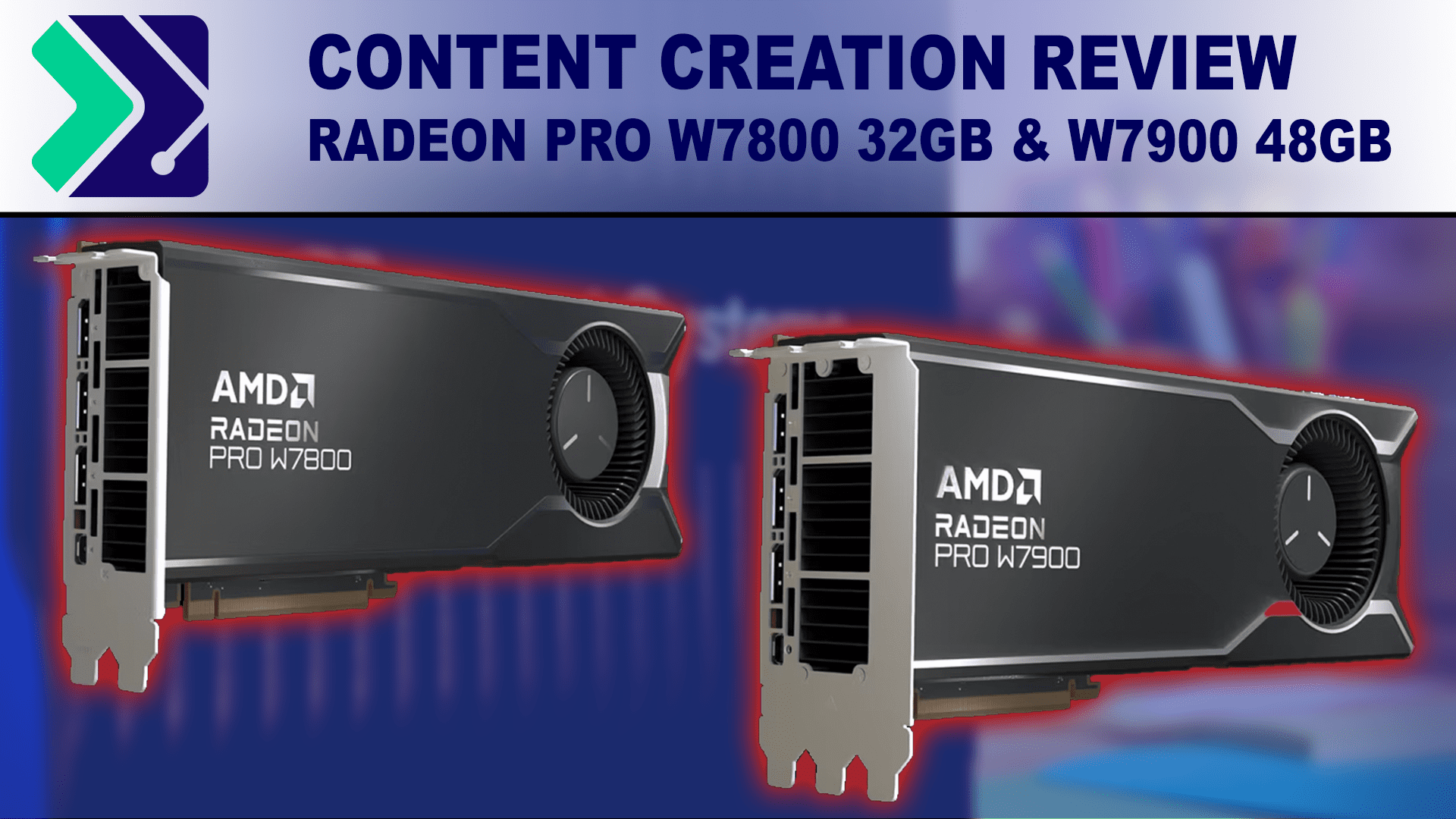
AMD’s has released the Radeon PRO 7000 series of graphics cards featuring up to 48 GB of VRAM. How do they compare to NVIDIA’s RTX Ampere and Ada GPUs?
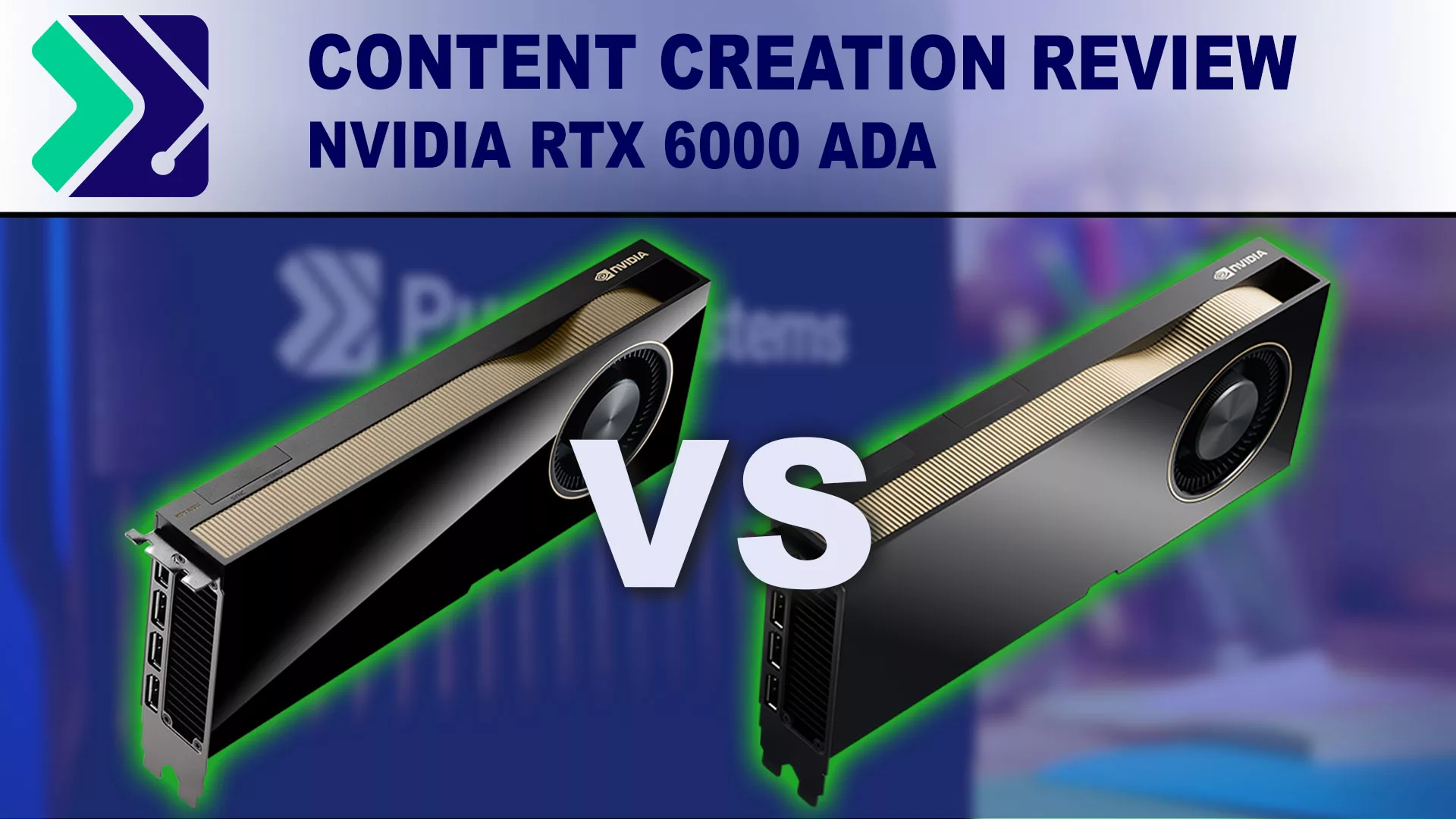
The NVIDIA RTX 6000 Ada is the latest addition to the NVIDIA’s professional family of GPUs. With cutting-edge hardware and the latest Ada Lovelace architecture and 48GB of VRAM, this GPU should be terrific for a wide range of content creation workflows.
Puget Systems builds custom workstations, servers and storage solutions tailored for your work.
We provide:
Extensive performance testing
making you more productive and giving better value for your money
Reliable computers
with fewer crashes means more time working & less time waiting
Support that understands
your complex workflows and can get you back up & running ASAP
A proven track record
as shown by our case studies and customer testimonials