Intel and AMD have recently performend nearly on par in Adobe Lightroom Classic, but are the new 14th Gen Intel processors enough for Intel to take a solid lead?
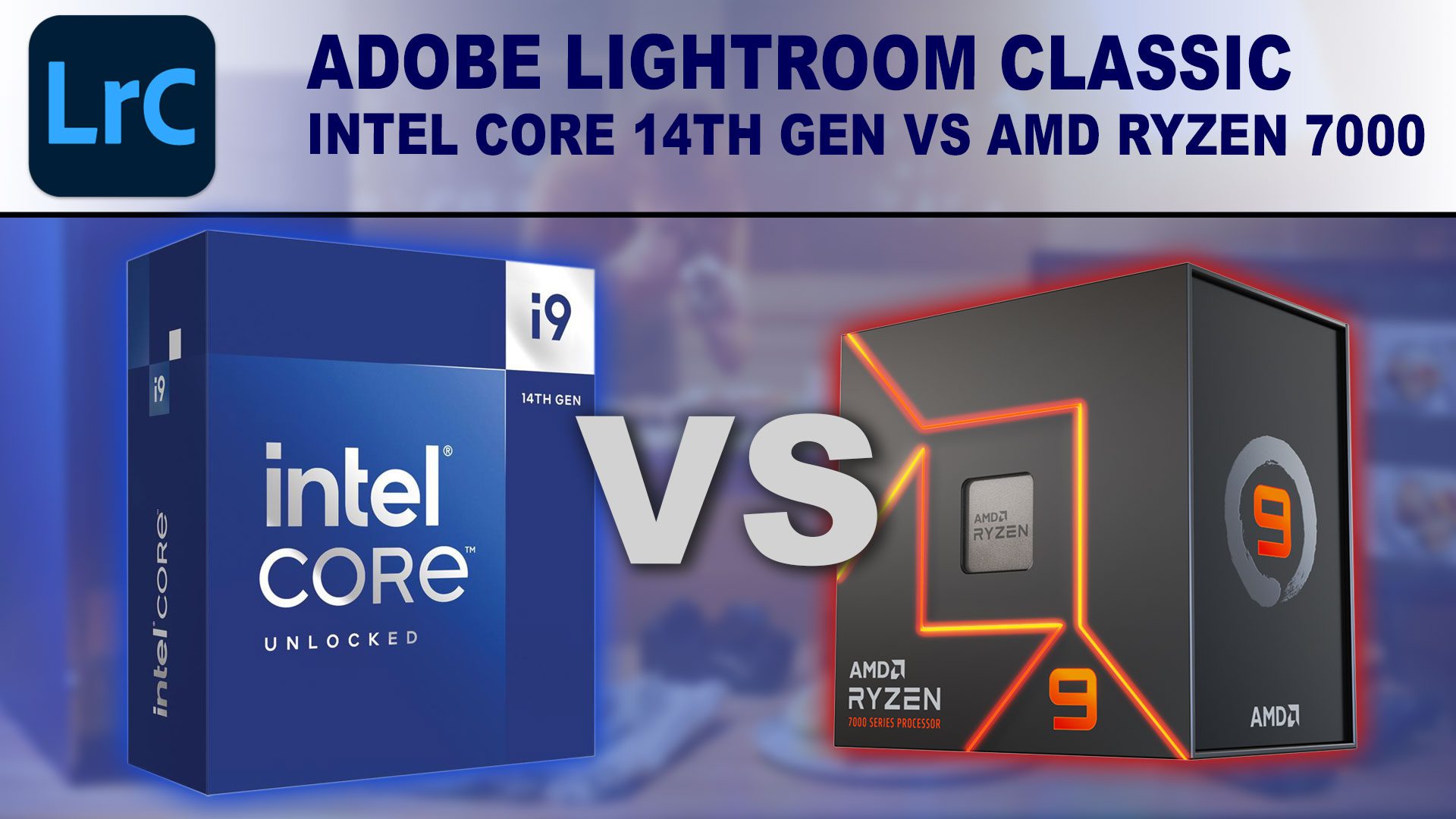
Intel and AMD have recently performend nearly on par in Adobe Lightroom Classic, but are the new 14th Gen Intel processors enough for Intel to take a solid lead?
Intel Core processors typically hold an edge over AMD in Premiere Pro due to Quick Sync, but how well do the new 14th Gen processors perform?
14th Gen Intel processors are here, and are drop-in replacements for 12th & 13th Gen Core processors. Intel usually holds a lead in NLEs due to Quick Synch, but how well do these new CPUs perform in DaVinci Resolve?
14th Gen Intel processors have launched, offering a modest increase in performance. How well do they perform in After Effects, and will they extend Intel’s lead in this segment?
14th Gen Intel processors have launched and are drop-in replacements for 12th & 13th Gen Core processors. How well do they perform in Unreal Engine?
14th Gen Intel processors have launched and are drop-in replacements for 12th & 13th Gen Core processors. How well do they perform in V-Ray.
14th Gen Intel processors have launched and are drop-in replacements for 12th & 13th Gen Core processors. How well do they perform in Cinema 4D?
14th Gen Intel processors have launched and are drop-in replacements for 12th & 13th Gen Core processors. How well do they perform in Blender?
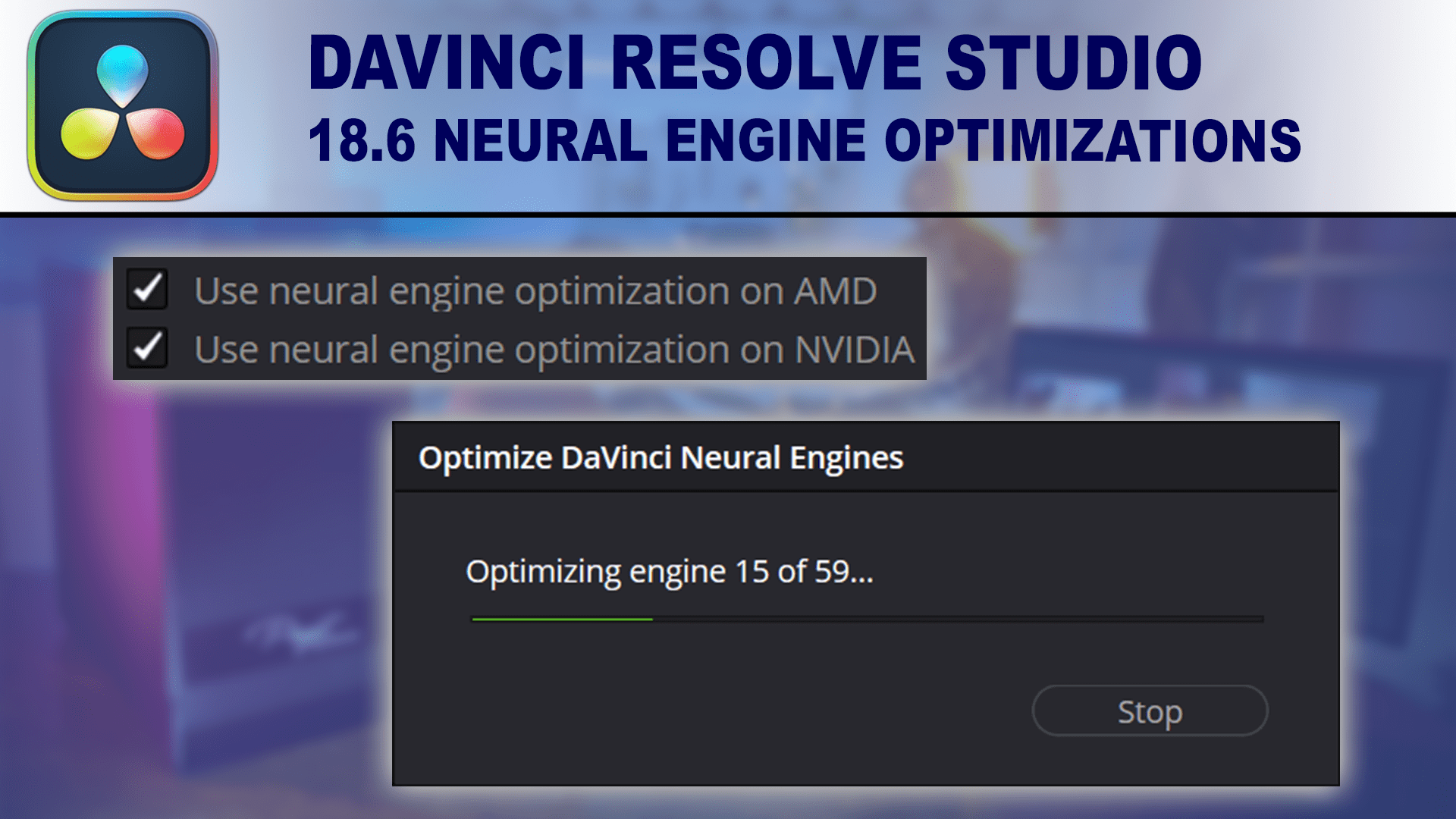
In DaVinci Resolve 18.6, Blackmagic is claiming up to a 4x improvement in Neural Engine performance for AMD GPUs, and a 2x improvement for NVIDIA. Is this a true claim, or a matter of cherry-picked results that won’t impact most users?
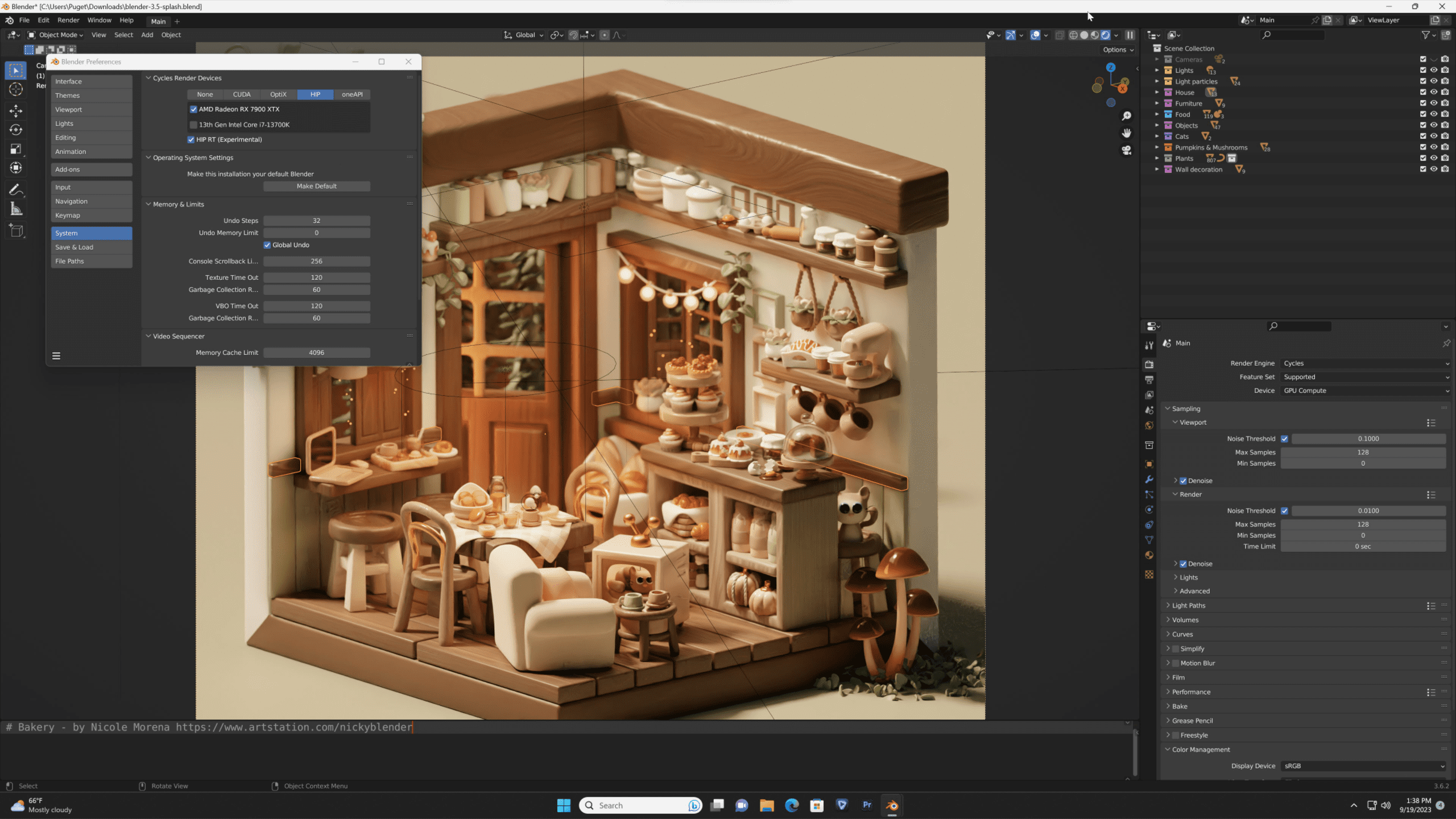
Blender expands AMD GPU support with HIP-RT integration. What is HIP-RT, and how much does it impreove rendering times?
Puget Systems builds custom workstations, servers and storage solutions tailored for your work.
We provide:
Extensive performance testing
making you more productive and giving better value for your money
Reliable computers
with fewer crashes means more time working & less time waiting
Support that understands
your complex workflows and can get you back up & running ASAP
A proven track record
as shown by our case studies and customer testimonials