Cinebench 2024 is with with new features and expanded compatibility. We look into what these features are and what this update means for benchmarking.
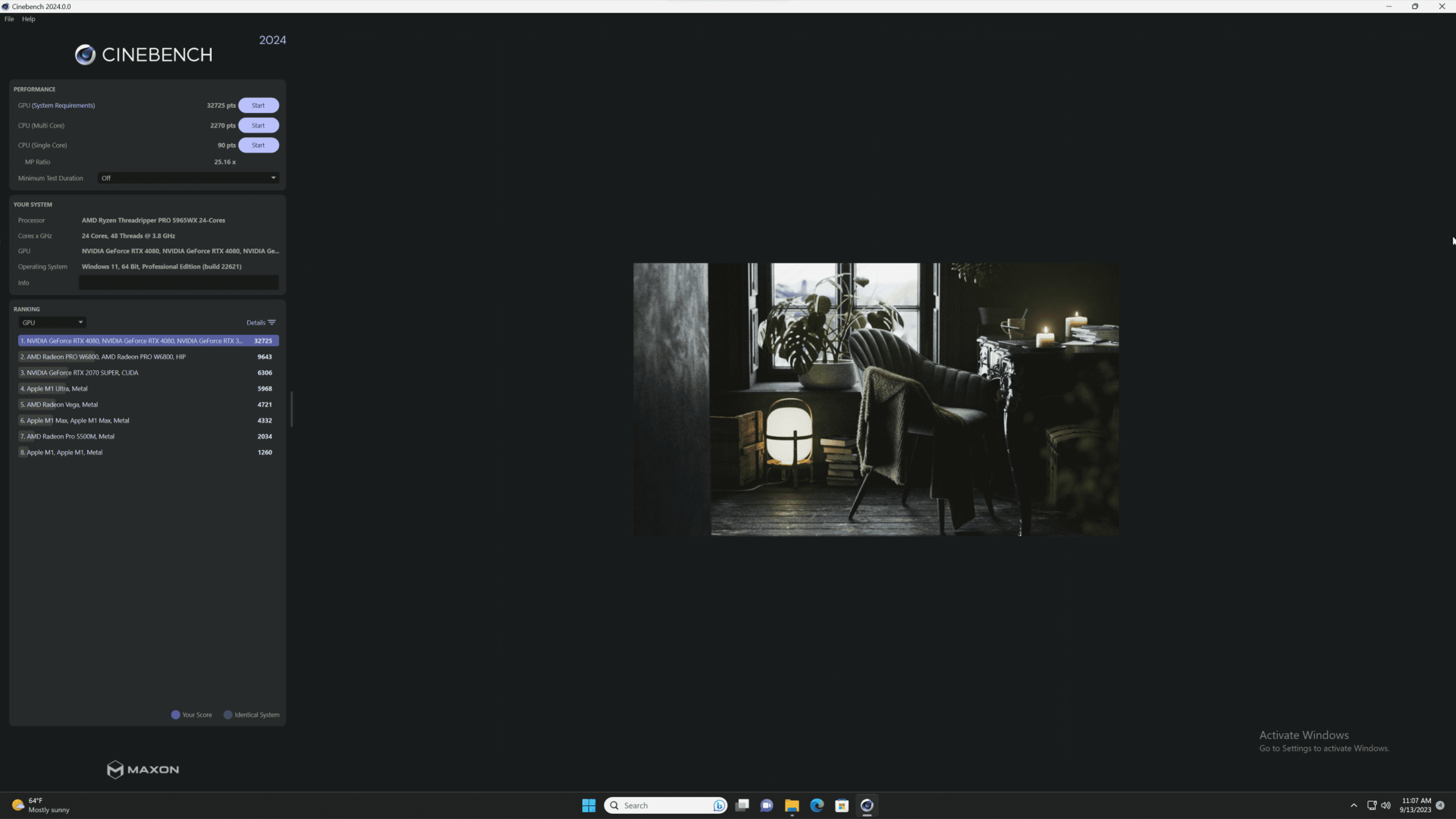
Cinebench 2024 is with with new features and expanded compatibility. We look into what these features are and what this update means for benchmarking.
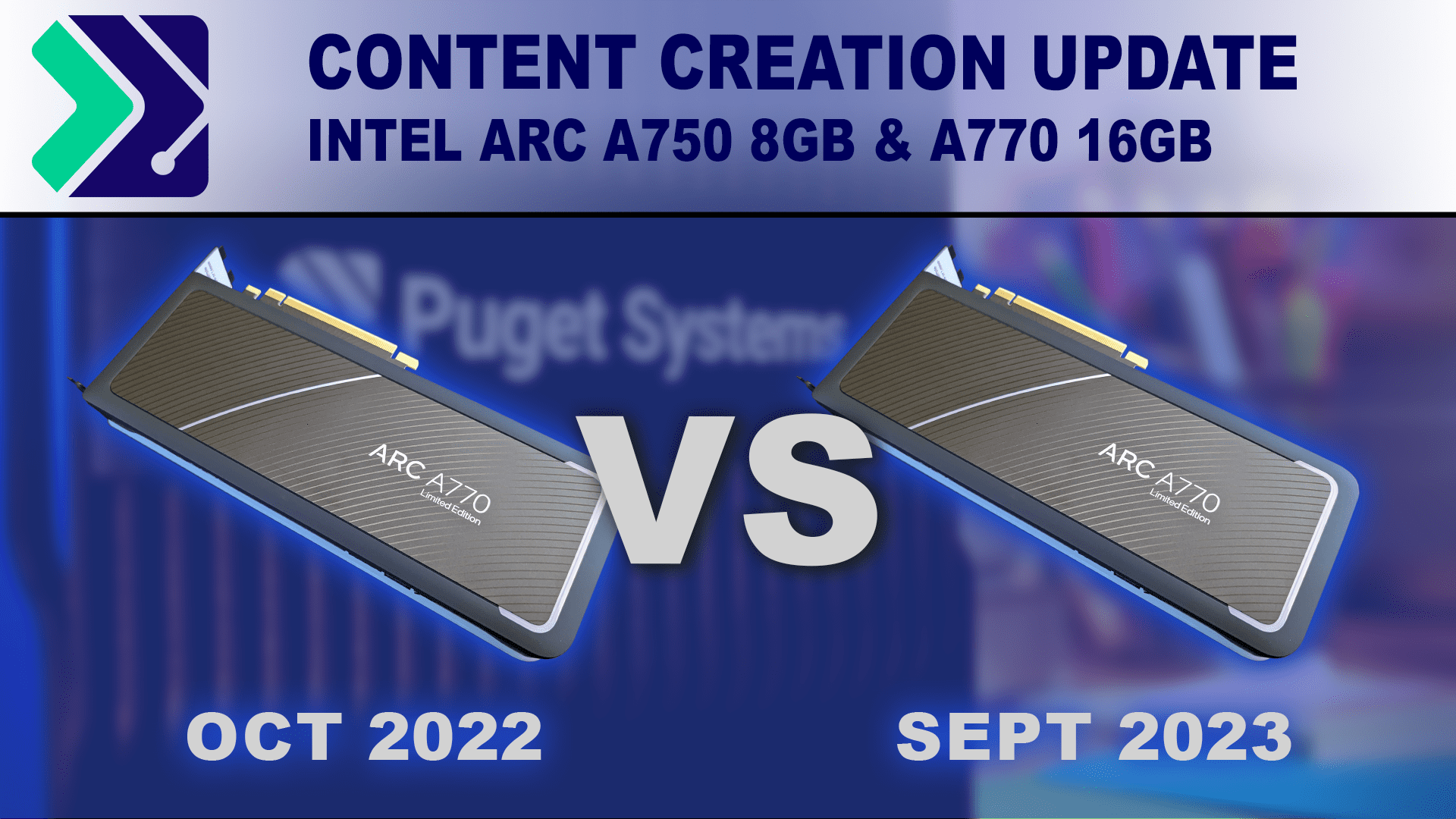
The Intel Arc Alchemist A770 and A750 launched 11 months ago. How have the Intel Arc A770 and A750 improved for content creation applications since then?
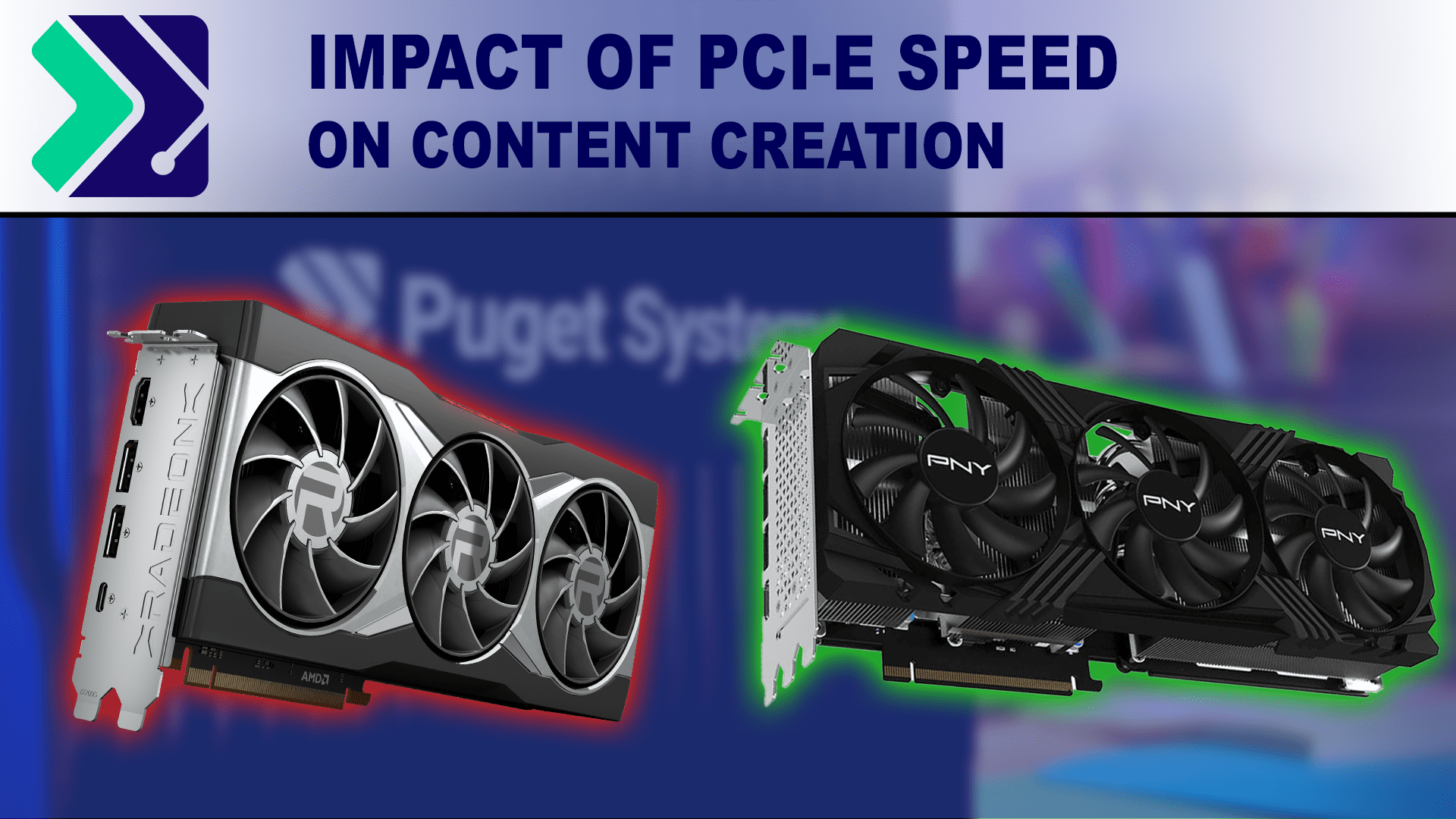
Installing add-in cards—like capture cards—can limit PCI-e bandwidth to the GPU. Does the reduction of PCI-e bandwidth harm performance in content-creation?
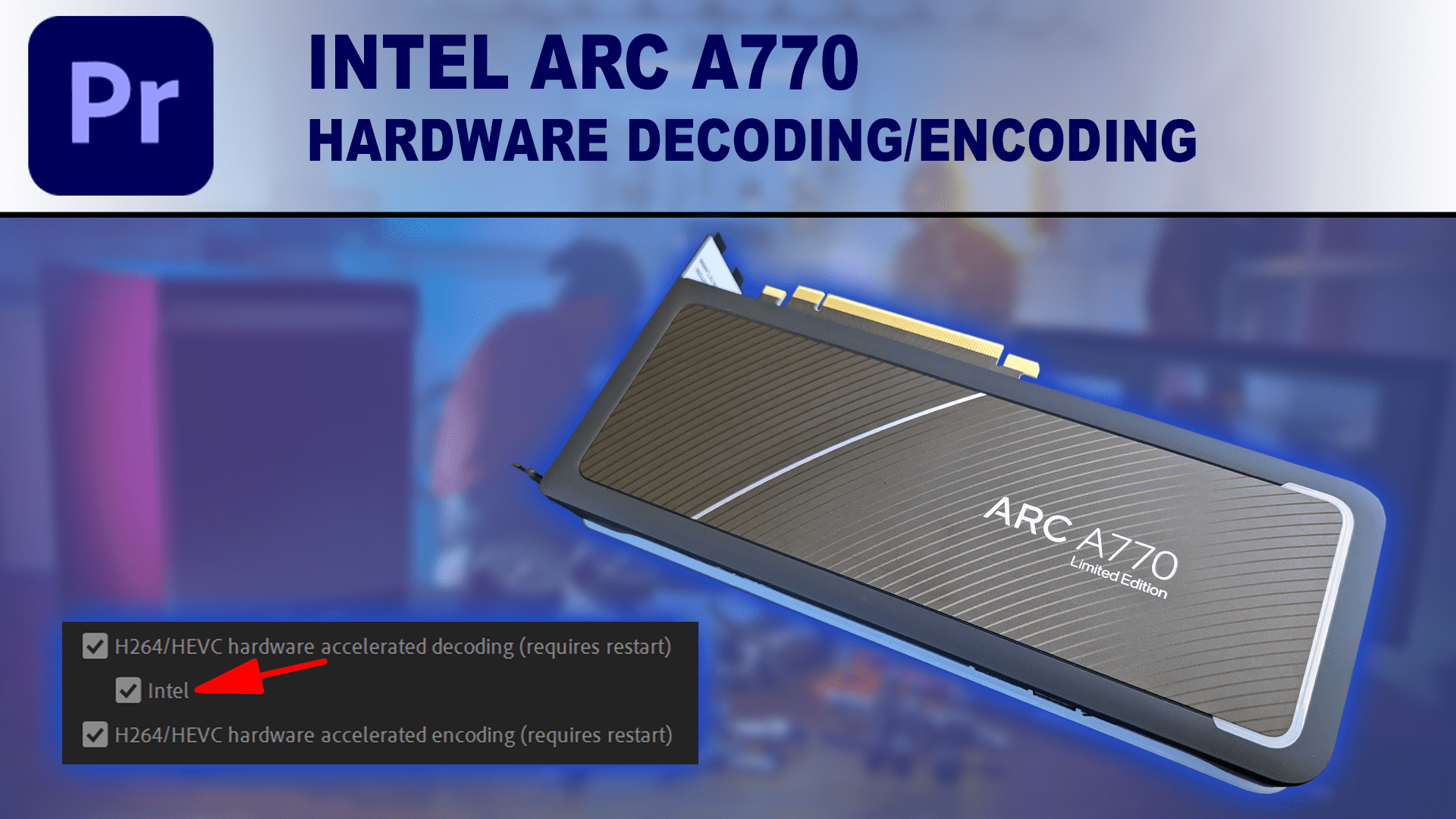
In the Premiere Pro 24.0 beta, Adobe is adding full hardware decoding and encoding support for Intel Arc GPUs. How well does this work, and does it make Intel a viable alternative to AMD and NVIDIA?
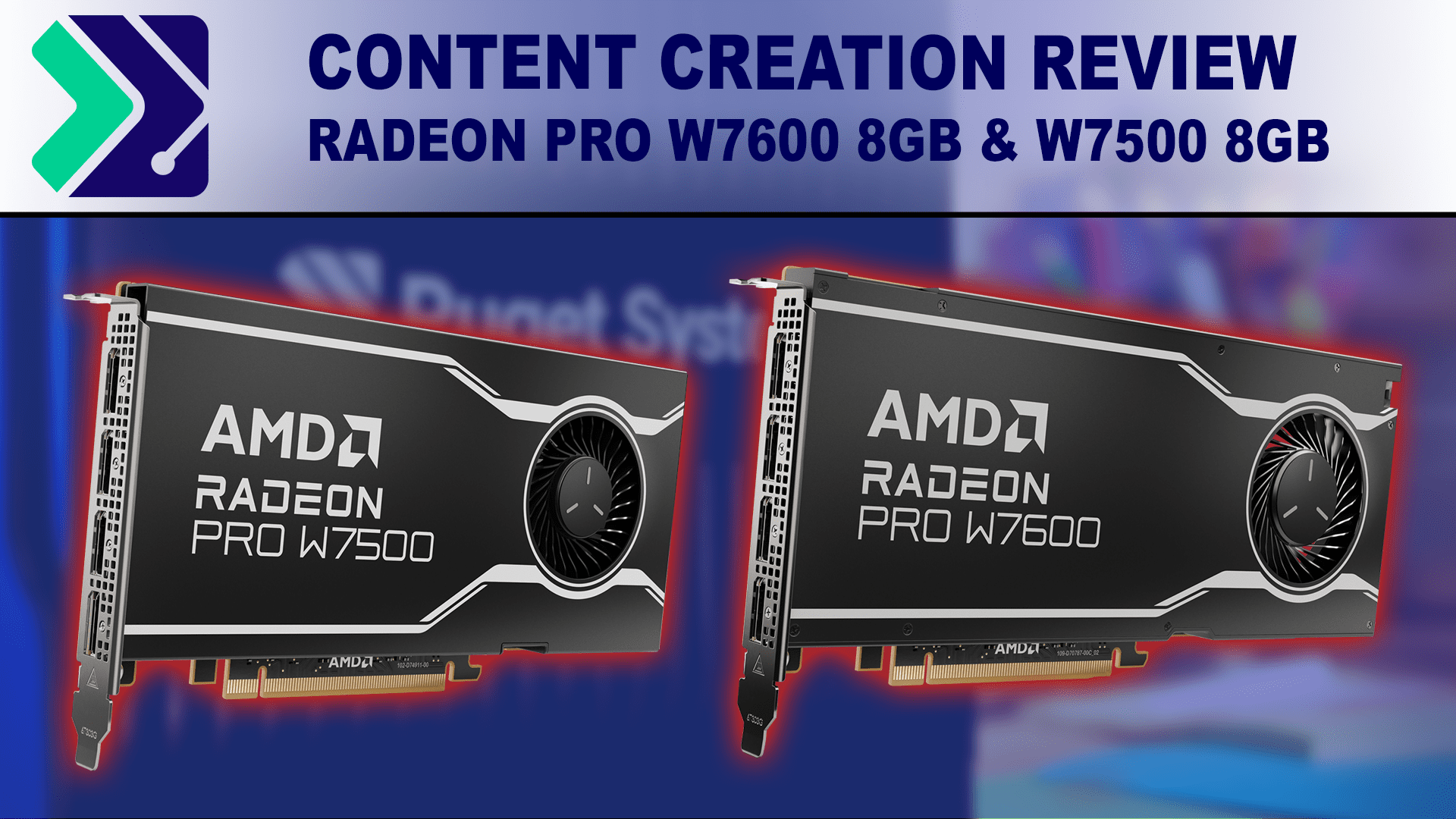
The AMD Radeon PRO W7600 and W7500 are the next installments in AMD’s Radeon PRO product line of professional GPUs. How do they compare to the last-gen W6600 and NVIDIAs closest-priced competitors?
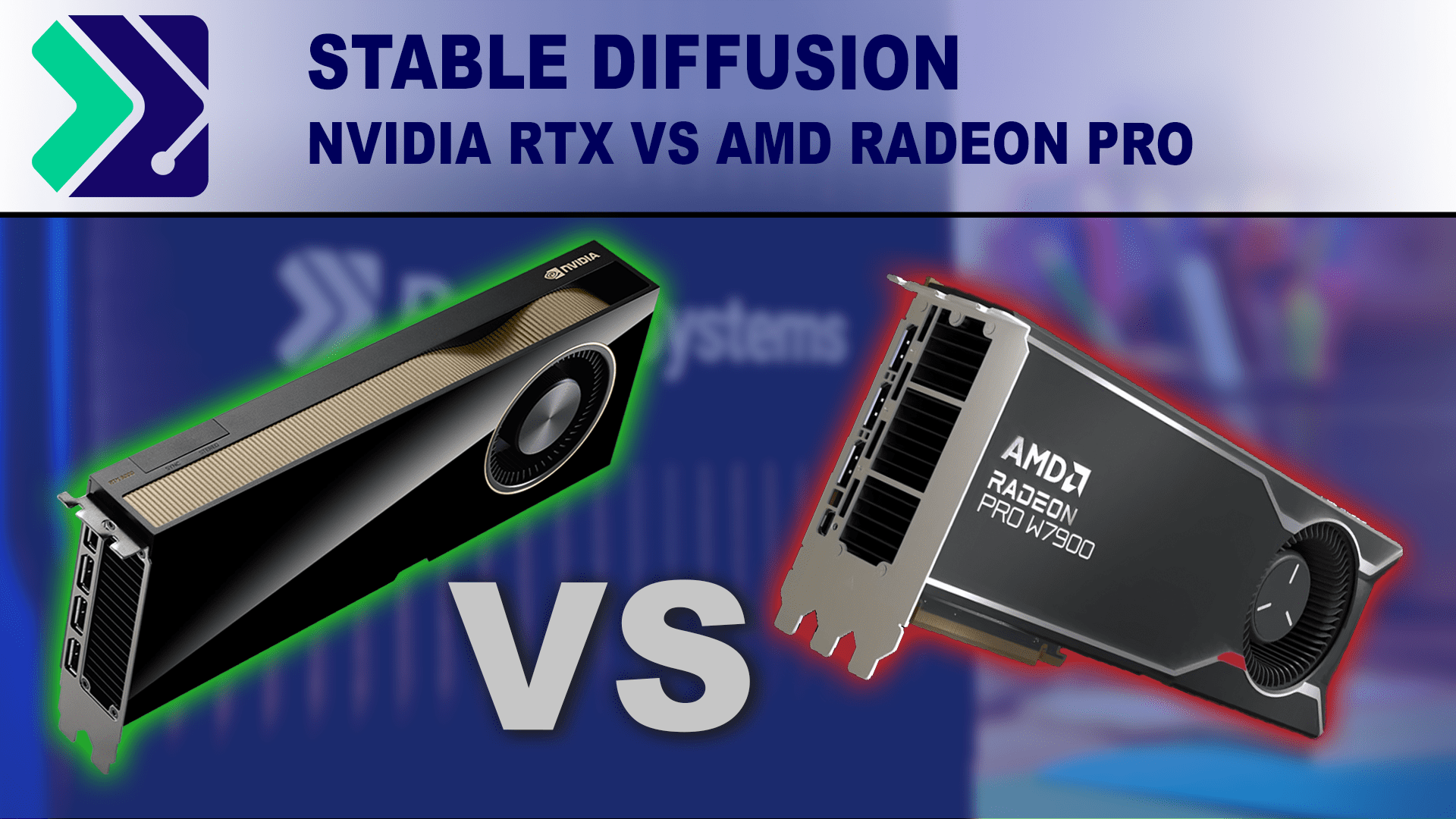
Stable Diffusion is seeing more use for professional content creation work. How do NVIDIA RTX and Radeon PRO cards compare in this workflow?
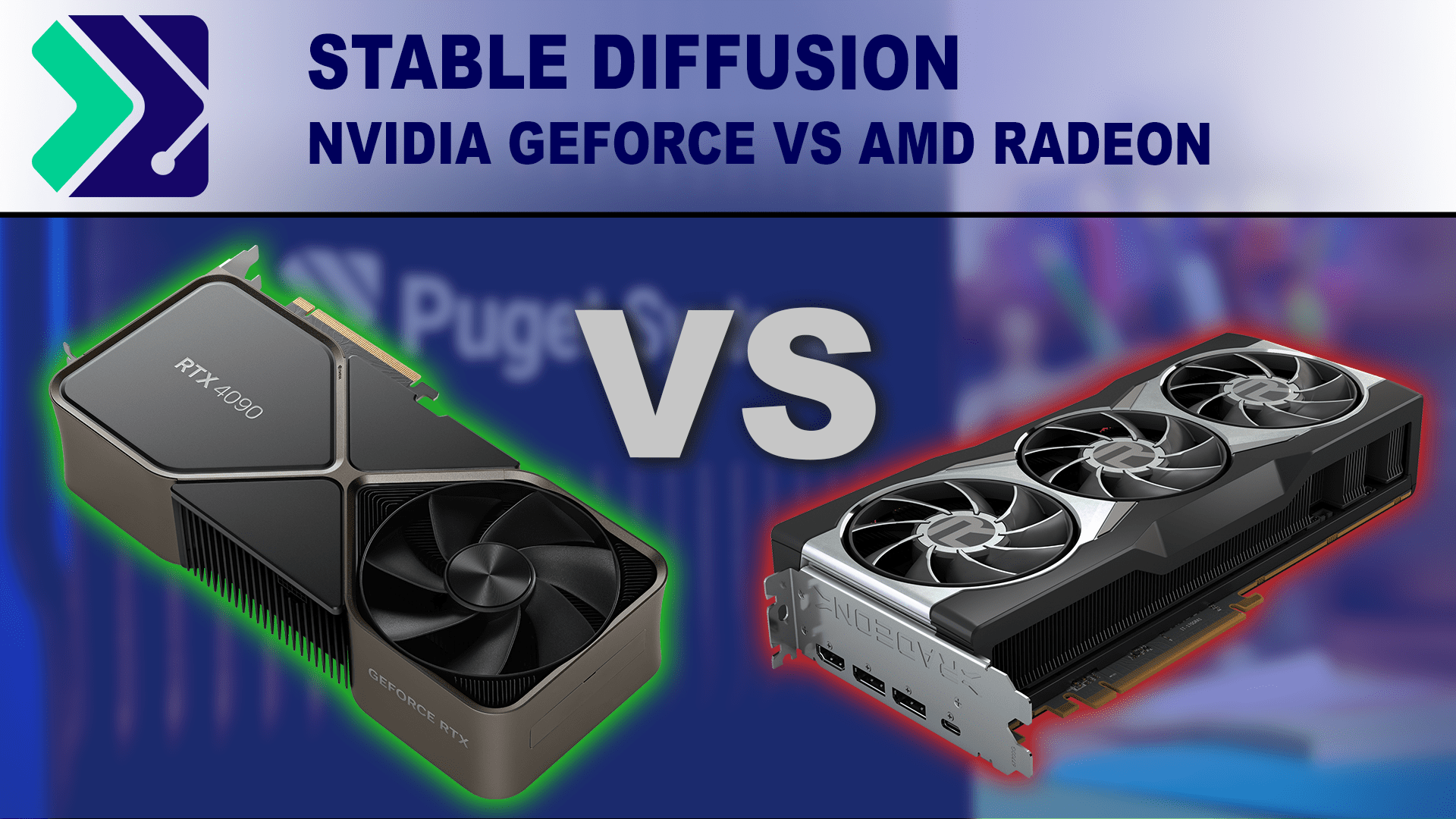
Stable Diffusion is seeing more use for professional content creation work. How do NVIDIA GeForce and AMD Radeon cards compare in this workflow?

Stable Diffusion is a growing application of AI technology in the content creation space. Today, we will present our methodology for benchmarking various GPUs for Stable Diffusion.
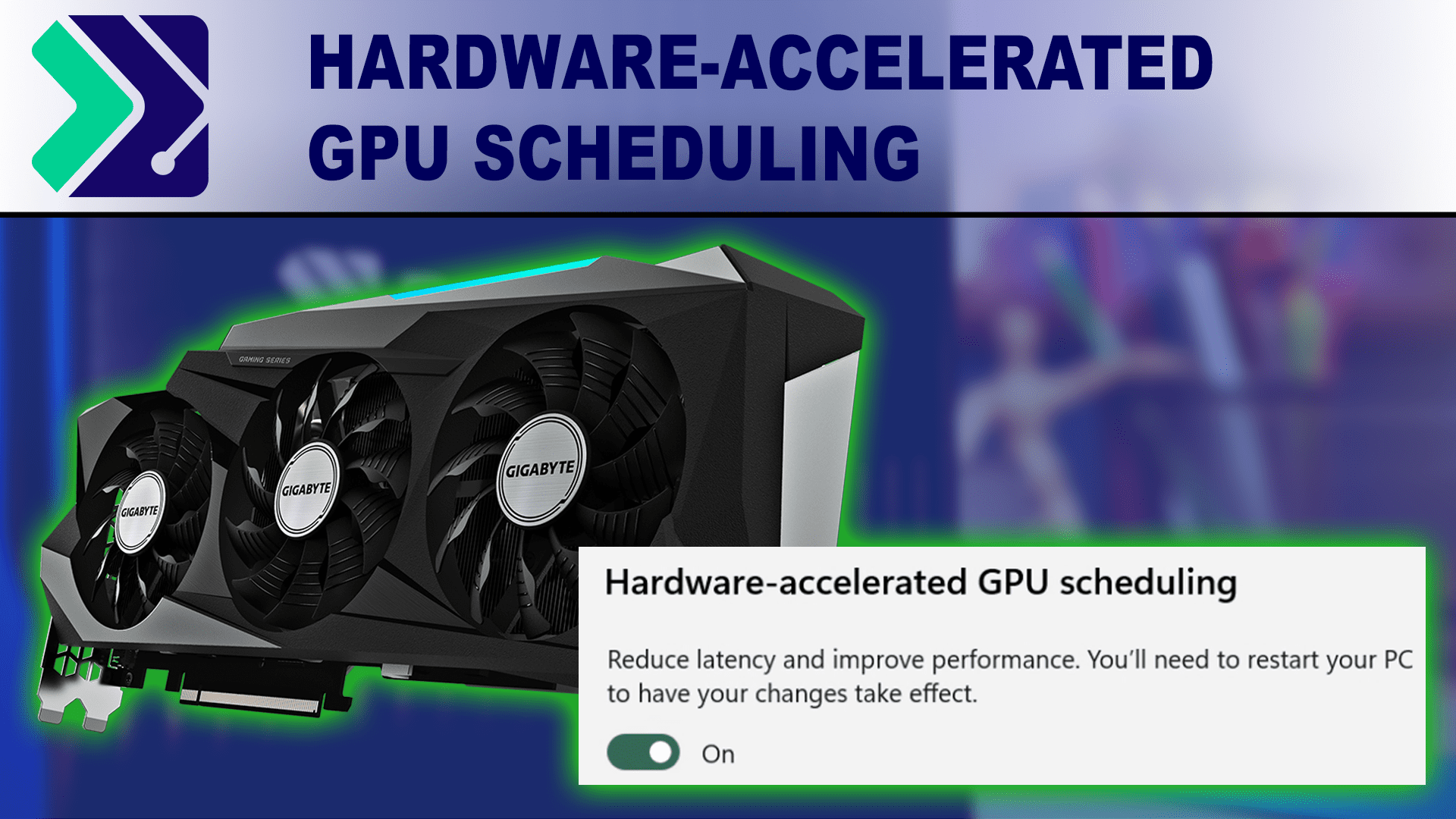
Hardware-accelerated GPU scheduling is a behind-the-scenes change in Windows to move processing GPU requests from the CPU to the GPU. Does enabling the feature have any impact on content creation performance?
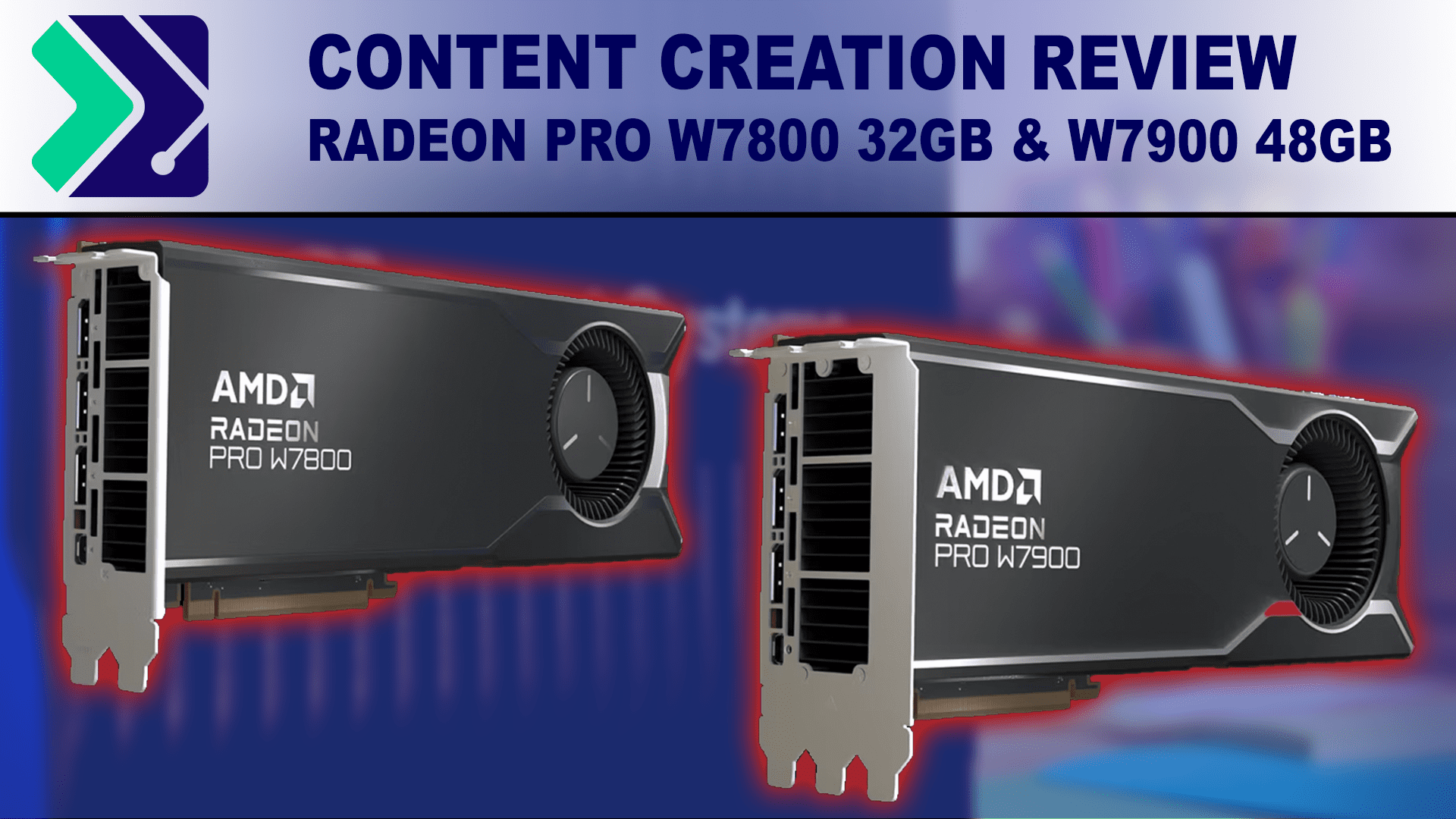
AMD’s has released the Radeon PRO 7000 series of graphics cards featuring up to 48 GB of VRAM. How do they compare to NVIDIA’s RTX Ampere and Ada GPUs?
Puget Systems builds custom workstations, servers and storage solutions tailored for your work.
We provide:
Extensive performance testing
making you more productive and giving better value for your money
Reliable computers
with fewer crashes means more time working & less time waiting
Support that understands
your complex workflows and can get you back up & running ASAP
A proven track record
as shown by our case studies and customer testimonials