Windows 11 is finally here, however, many popular rendering applications like Redshift and V_ray have not officially offered support for the new OS. So what kind of performance could be expected as of the launch of Windows 11?


Windows 11 is finally here, however, many popular rendering applications like Redshift and V_ray have not officially offered support for the new OS. So what kind of performance could be expected as of the launch of Windows 11?

Intel’s new Xeon W-3330 series of workstation CPUs are here, ranging from 12 to 38 cores, and touting up to 18% IPC improvements. But are these features worth the higher cost of the Xeon platform, and how do they fare against AMD’s Threadripper Pro line in V-Ray?

NVIDIA’s new GeForce RTX 3070 Ti & RTX 3080 Ti are here, touting more performance than their non-Ti variants – although with a larger price tag to match. The big question is exactly where these fit in Nvidia’s crowded lineup for GPU Rendering.

NVIDIA’s new GeForce RTX 3080 Ti is here, touting more performance and higher VRAM than the RTX 3080 – although with a larger price tag to match. The big question is exactly where this fits between the RTX 3080 and RTX 3090 for GPU rendering within V-Ray.

Recently, Intel announced their new 11th Gen Intel Core desktop processors (code-named “Rocket Lake”). These new processors are marketed as having substantially better per-core performance compared to their previous 10th Gen Core models, however, their top-of-the-line CPU now has fewer cores. How will these new CPUs compare to AMD in V-Ray?

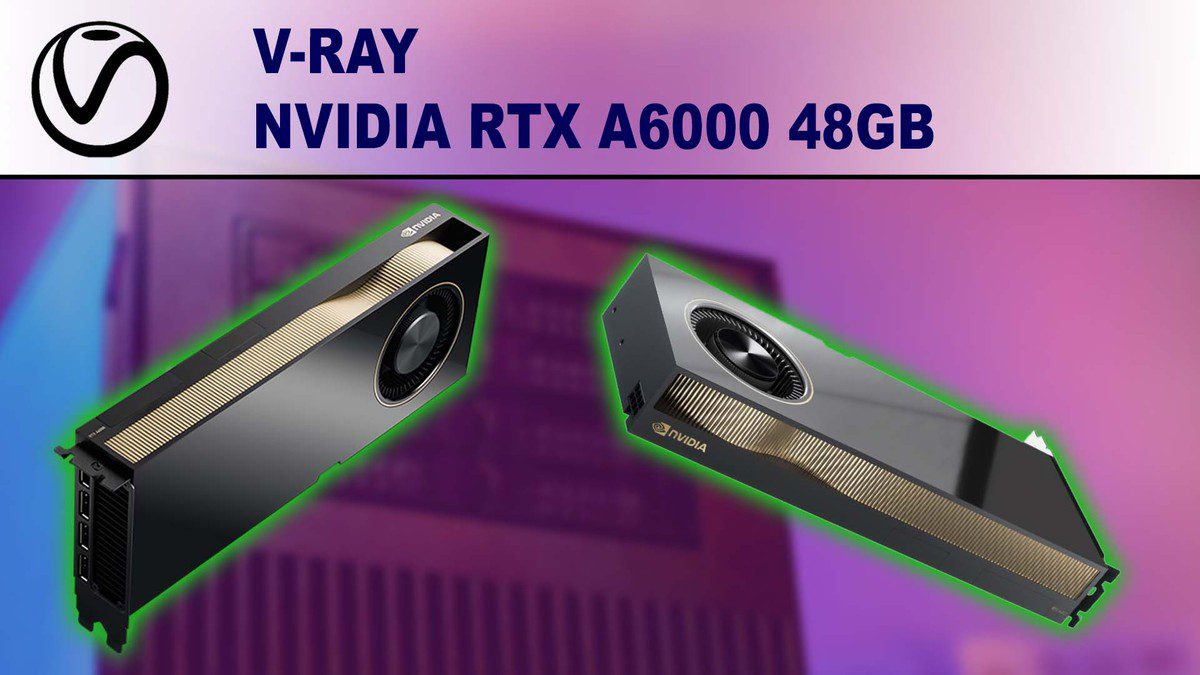
With the launch of Nvidia’s RTX A6000 video card, we look at how well these cards scale in multi-GPU configurations for rendering in Redshift, OctaneRender, and V-Ray.

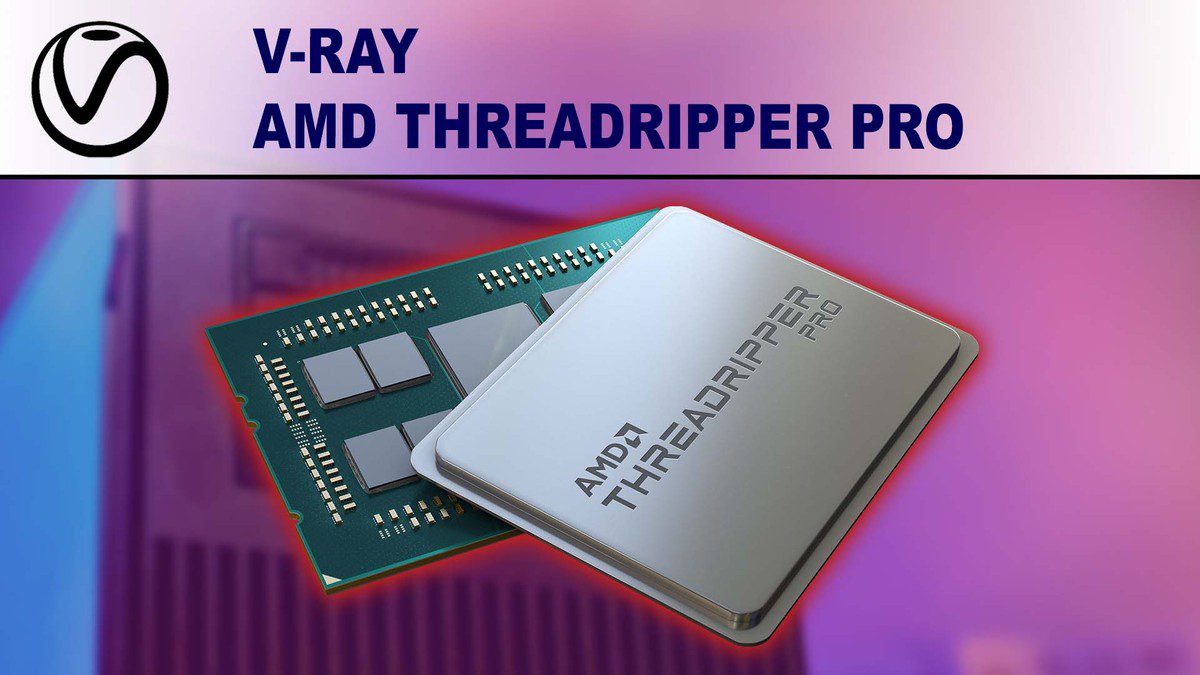
AMD’s new Threadripper Pro CPUs are here, combining many of the features from their Threadripper and EPYC CPU lines including increased memory and PCI-E capability. But are these extra features useful for V-Ray, or should you stick with the normal Threadripper processors?

We finally get to see how NVIDIA’s new Ampere workstation cards perform in rendering applications such as Chaos Group’s V-Ray. We’ve previously looked at their consumer-grade cards, the new RTX A6000 is the first professional-grade card Nvidia has released.

NVIDIA launched the GeForce RTX 30 Series a few months ago, but new models in this family continue to trickle in. Today we are looking at the RTX 3060 Ti 8GB model and how it performs with regard to rendering in OctaneRender, Redshift, and V-Ray.

A short article covering some of the best computer system configurations for rendering with V-Ray at the close of 2020.