Being able to run Jupyter Notebooks on remote systems adds tremendously to the versatility of your workflow. In this post I will show a simple way to do this by taking advantage of some nifty features of secure shell (ssh). What I’ll do is mostly OS independent but I am putting an emphasis on Windows 10 since many people are not familiar with tools like ssh on that OS.

Threadripper 2990WX Photogrammetry Performance: Windows 10 1809 vs 1903 & CorePrio
When the performance of AMD’s Threadripper processors is brought up, the discussion can often turn toward some of the oddities of this CPU’s architecture and how it interacts with thread scheduling in Windows 10. That is something which AMD has attempted to improve with their Ryzen Master software, and which has been partially addressed by Microsoft as well (via Windows updates). Some folks in the wider AMD enthusiast community have tried to tackle this issue too.

Metashape 1.5.1: NVIDIA GeForce, Titan, and AMD Radeon Performance Comparison
Metashape, formerly known as PhotoScan, is a photogrammetry program that takes a set of images and combines them to create a 3D model or map. Processing of those images into point clouds and 3D meshes/textures is time-consuming, heavily using a computer’s CPU and GPU. We have recently updated our benchmark tools to support Metashape, along with new image sets to test, so now we are taking a look at how different NVIDIA and AMD video cards perform in this application.

Pix4D 4.3 vs 4.4 Performance Differences
Pix4D is an advanced photogrammetry application, suited to a wide range of uses, with a focus on handling images captured by drone cameras. Processing of those images into point clouds and 3D meshes/textures is time-consuming, heavily using a computer’s CPU and GPU. We have recently updated our benchmark tools for Pix4D, and published articles looking at CPU and GPU performance on version 4.3 – but in the midst of our testing, 4.4 was released. Is it any faster?

RealityCapture 1.0.3: NVIDIA GeForce and Titan Performance Comparison
RealityCapture, like other photogrammetry applications, is built to take a batch of photographs and turn them into digital, 3D models. The many steps involved in that process can take a lot of time, and utilize both the CPU and GPU at different points. We recently put together a benchmark tool for RealityCapture, and after looking at processor performance last week we are now diving into a comparison of the current NVIDIA GeForce and Titan video cards.

How to Remove Windows 10 Applications
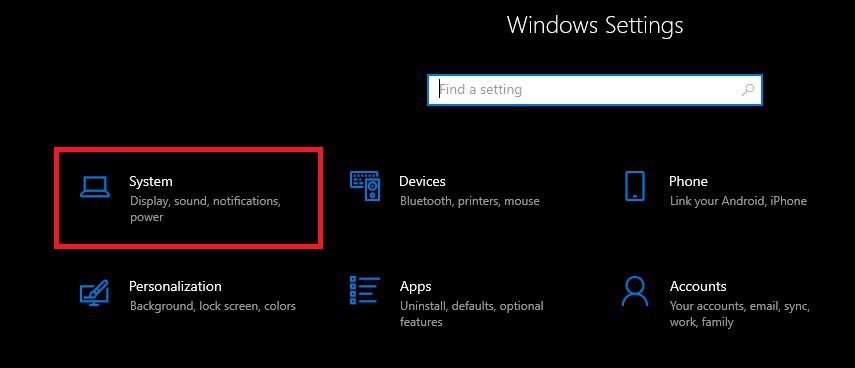
The following guide will demonstrate each way to remove applications in Windows 10

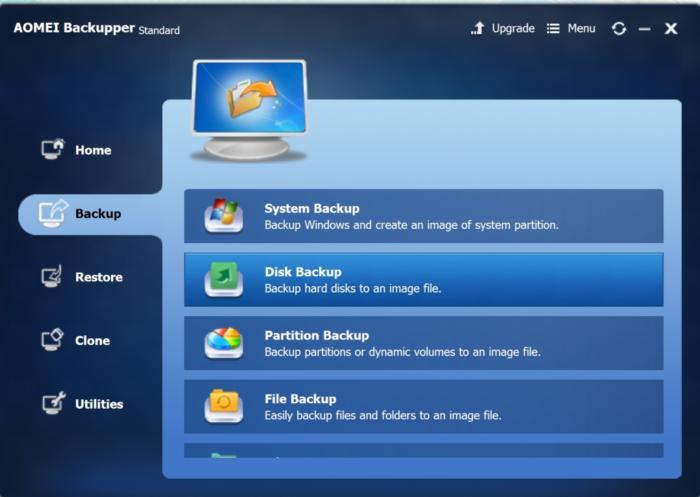
Recommended 3rd Party Backup Solutions for Windows 10
The following article will cover some of our favorite 3rd party backup options available in Windows 10.
How Customer Feedback Makes Us Better
At Puget Systems, we have both formal and informal avenues by which we collect feedback from our customers. In terms of informal feedback, customers speak to sales and support staff on a daily basis and often share their experiences about our people and products. Feedback like this might be shared with the team or escalated to a manager if there’s an issue to which we need to react.

Pix4D 4.3: NVIDIA GeForce and Titan Performance Comparison
Pix4D is an advanced photogrammetry application, suited to a wide range of uses, with a focus on handling images captured by drone cameras. Processing of those images into point clouds and 3D meshes/textures is time-consuming, heavily using a computer’s CPU and GPU. We have recently updated our benchmark tools for Pix4D, and now are taking a look at how different NVIDIA video cards perform in this program.
How To Use SSH Client and Server on Windows 10
This post is a setup guide and introduction to ssh client and server on Windows 10. Microsoft has a native OpenSSH client AND server on Windows. They are standard (and in stable versions) on Windows 10 since the 1809 “October Update”. This guide should helpful to both Windows and Linux users who want better interoperability.