LAMMPS is a molecular dynamics program capable of running very large (billions of atom) dynamics simulations. It is modular with many contributed packages to add extra potential energy functions, atom types etc.. There was recently added a package, USER-INTEL, that adds some nice code optimizations for Intel Xeon hardware. We grabbed the latest source code and did a build with this new code and fired it up on our quad Xeon test system and got very good performance.
Changing Priorities
I’d never used a Dremel before.
But I’d have to learn if I wanted a PC that stood out from all the nondescript beige boxes my friends owned. So I spent the afternoon tracing the pattern on side panel of my Lian-Li aluminum case using a stencil I’d found online. Had YouTube been around at the time, I would have searched to find a Dremel tutorial but it would be few more years before it existed.

Overview of M.2 SSDs
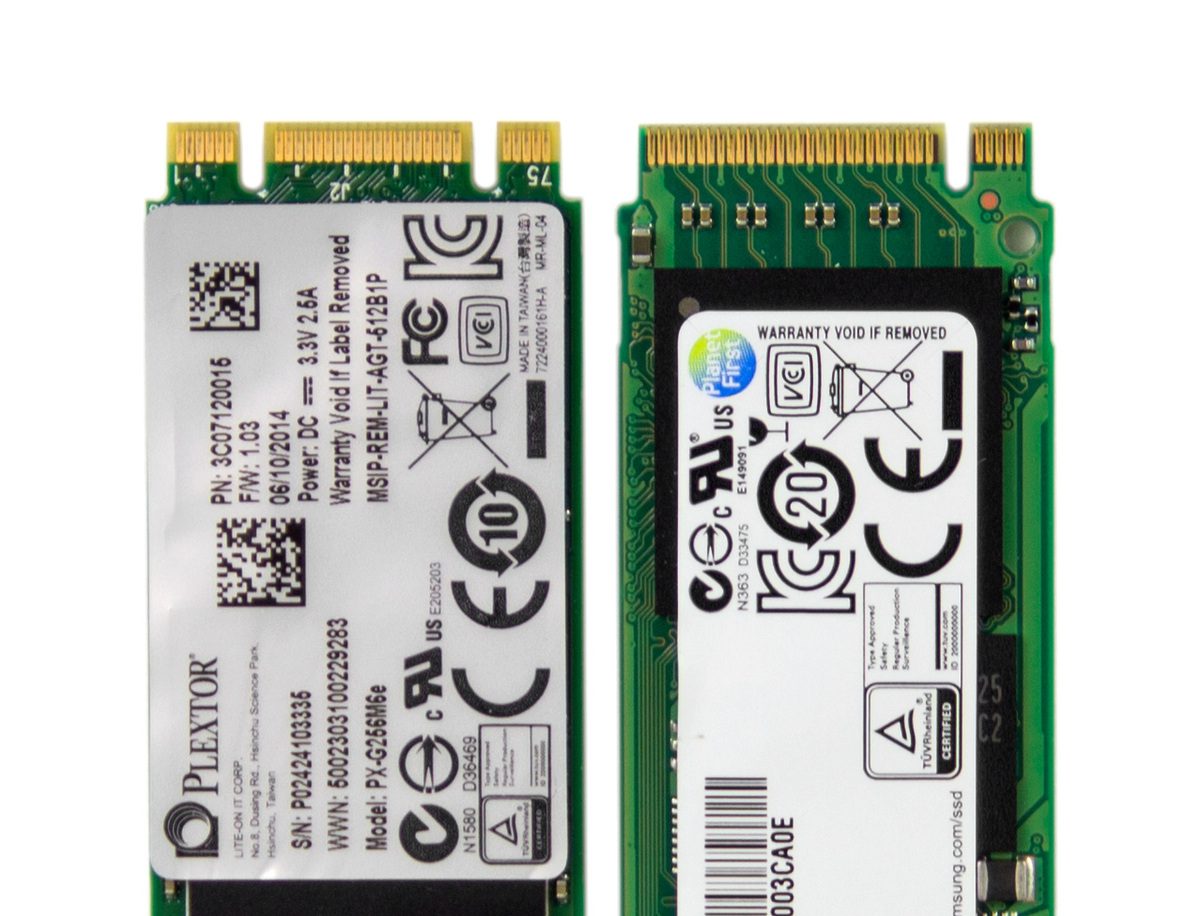
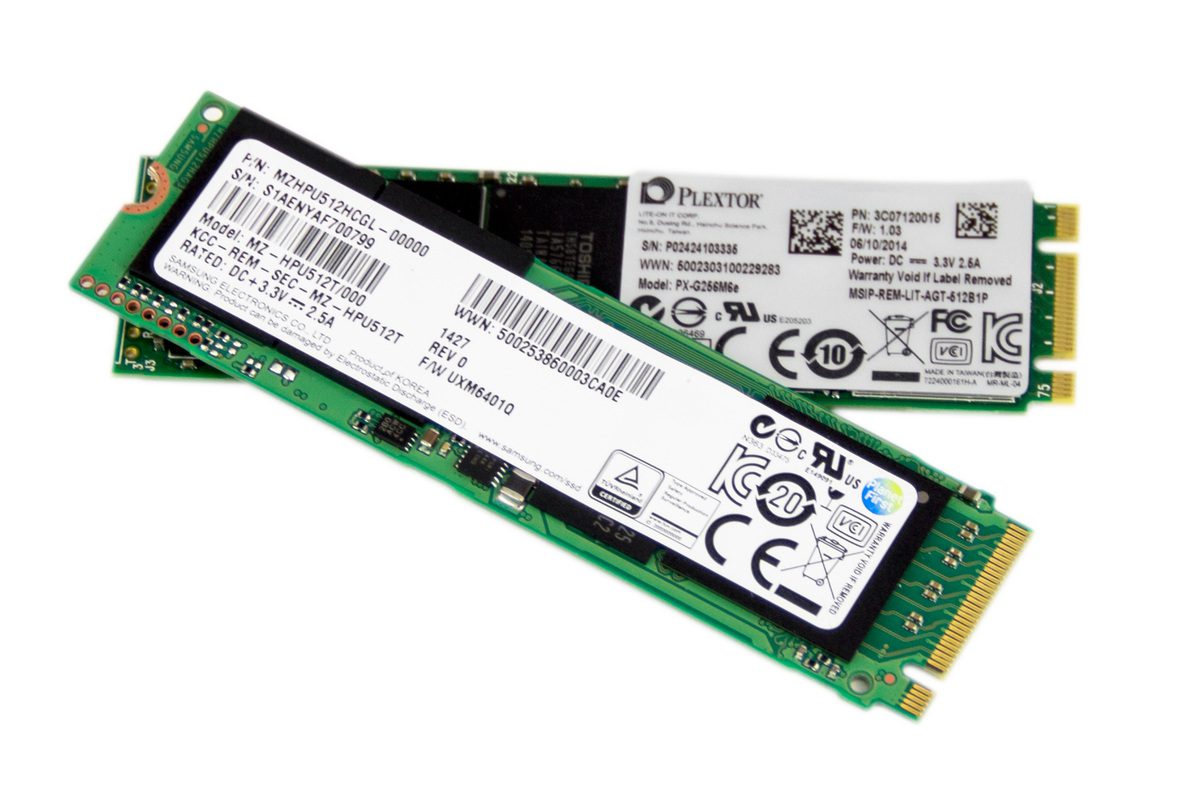
M.2 is a new form of connectivity that allows a SSD to connect directly to the PCI-E bus allowing for theoretical speeds as high as 2GB/s. However, M.2 drives are complicated in that they allow for a variety of physical dimensions, connectors, and even multiple logical interfaces. To help our customers understand the nuances of M.2 drives, we decided to publish this overview of M.2 SSDs.

Start Guide: Switching from Mac to Windows
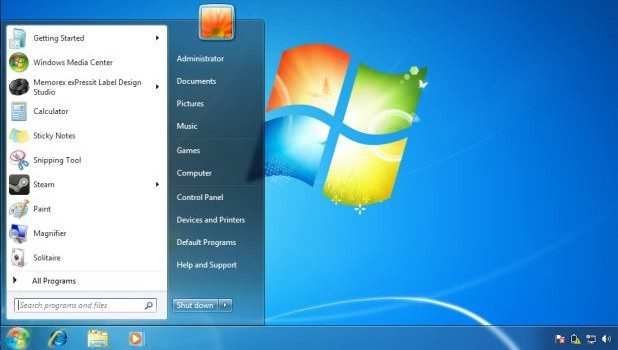
We’ve been hearing from a regular stream of customers who are making the move from Mac OS X to Windows, and they often have questions about how to perform basic tasks on their new Puget Systems PC running Windows 7 or Windows 8.1. So we created this Start Guide to help them around their new desktop.
OpenFOAM performance on Quad socket Xeon and Opteron
OpenFOAM is a collection of programs and libraries for computational fluid dynamics, CFD, and general dynamical modelling with many solver types. It can give linear scaling and excellent parallel performance on Quad socket many-core systems. Read on to see performance on a 40-core Xeon and 48-core Opteron system.

Multiheaded NVIDIA Gaming using Ubuntu 14.04 + KVM
We recently published the article Multi-headed VMWare Gaming Setup where we used VMWare ESXI to run four virtual gaming machines from a single PC. The setup worked great and the article was very popular, but one limitation we found was that NVIDIA GeForce cards cannot be used as passthough devices in VMWare ESXI. We received feedback from some readers that GeForce cards should work in Linux with KVM (Kernel-based Virtual Machine) so we set out to make a GeForce-based multiheaded gaming PC using Ubuntu 14.04 and KVM.

Samsung XP941 & Plextor PX-G256 M6e M.2 Qualification
M.2 is a new form of connectivity for SSD drives that allows them to connect directly to the PCI-E bus rather than going through a SATA controller. By bypassing the SATA controller a M.2 drive can have a theoretical maximum throughput as high as 2GB/s which is over three times faster than the 600MB/s SATA is limited to! Unfortunately, temperature and motherboard compatibility is a major issue with these M.2 drives.
Why quad Xeon? 95% of peak LINPACK on 40 cores!
I’ve been doing application performance testing on our quad socket systems and I am especially liking the quad Xeon box on our test bench. I realized that I haven’t published any LINPACK performance numbers for this system (that’s my favorite benchmark). I’ll show the results for the Intel optimized multi-threaded binary that is included with Intel MKL and do a compile from source using OpenMPI. It turns out that both openMP threads and MPI processes give outstanding, near theoretical peak performance. Building from source hopefully shows that it’s not just Intel “magic” that leads to this performance … although I guess it really is.
Summer Newsletter
To the best of my knowledge, it’s been at least six years since we’ve written about life behind-the-scenes here at Puget Systems. So we’re going to kick off a whole new generation of newsletters – focused more on the people and less the technology – as we dive into this summer season of 2014. I hope you enjoy this little glimpse of what working at Puget Systems is really like, day to day.

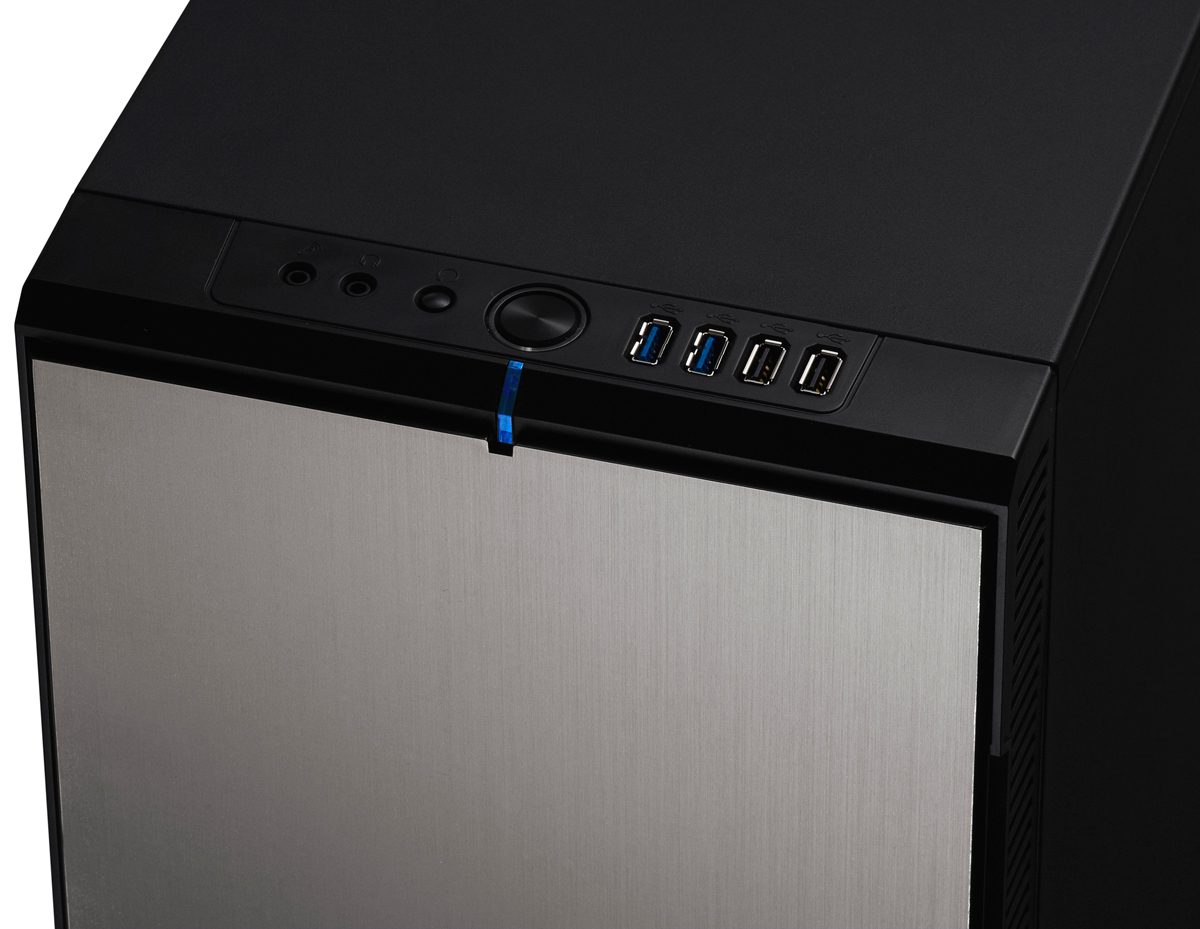
Disabling the Fractal R4 power LED/ Removing acrylic fan holder
We have had some customers report that the power LED on the on the Fractal Design Define R4 is too bright for their liking. This is a video that will show you how to disable the power LED. This video also shows you how to remove an angled acrylic fan holder.