AMD’s Ryzen 5000 Series processors have shown stellar performance across a wide range of applications so far, and now we have the opportunity to test them head-to-head against Intel’s Core series in Autodesk Revit 2021.
AMD’s Ryzen 5000 Series processors have shown stellar performance across a wide range of applications so far, and now we have the opportunity to test them head-to-head against Intel’s Core series in Autodesk Revit 2021.

AMD’s Ryzen 5000 Series processors have shown stellar performance across a wide range of applications so far, and now we have the opportunity to test them head-to-head against Intel’s Core series in SOLIDWORKS 2020.
Unreal Engine has grown by leaps and bound over the years, with more and more industries developing new workflows in it. AMD has released their new Ryzen 5000 Series, so we’ll see if they can improve those workflows and how they stack up to competing CPUs from Intel.
Ever since the launch of their 3rd generation Ryzen and Threadripper processors, AMD processors have been a strong choice for DaVinci Resolve Studio. Not only is Resolve able to utilize a decent number of CPU cores, but because of how heavily it leverages the GPU, having a platform with PCI-E 4.0 can make a measurable impact on performance. However, AMD’s Ryzen 5000 Series processors are here, touting major increases in performance in per-core performance which should allow AMD to take a solid lead over Intel in DaVinci Resolve.

Until recently, Intel enjoyed the benefit of being the only CPUs that could be used for hardware accelerated encoding/decoding of H.264 and HEVC media with their Quick Sync feature. However, with Premiere Pro 14.5 including GPU-based hardware encoding/decoding, the playing field has been leveled, allowing AMD to truly show what they are capable of. Will the new AMD Ryzen 5000 Series out-perform the Intel options, or will Intel maintain a lead even without the benefit of hardware encoding/decoding?

Ever since AMD launched their Ryzen 3000 Series processors last year, AMD and Intel have had almost identical performance in After Effects. With the new Ryzen 5000 Series, however, AMD is advertising major performance improvements that should allow them to take a solid performance lead over Intel.
Lightroom Classic has always performed well with AMD processors, although Intel has had a slight lead in active tasks. However, AMD’s Ryzen 5000 Series processors are here, touting major increases in performance in per-core performance which should allow AMD to take a solid lead over Intel no matter what your workflow is in Lightroom Classic.
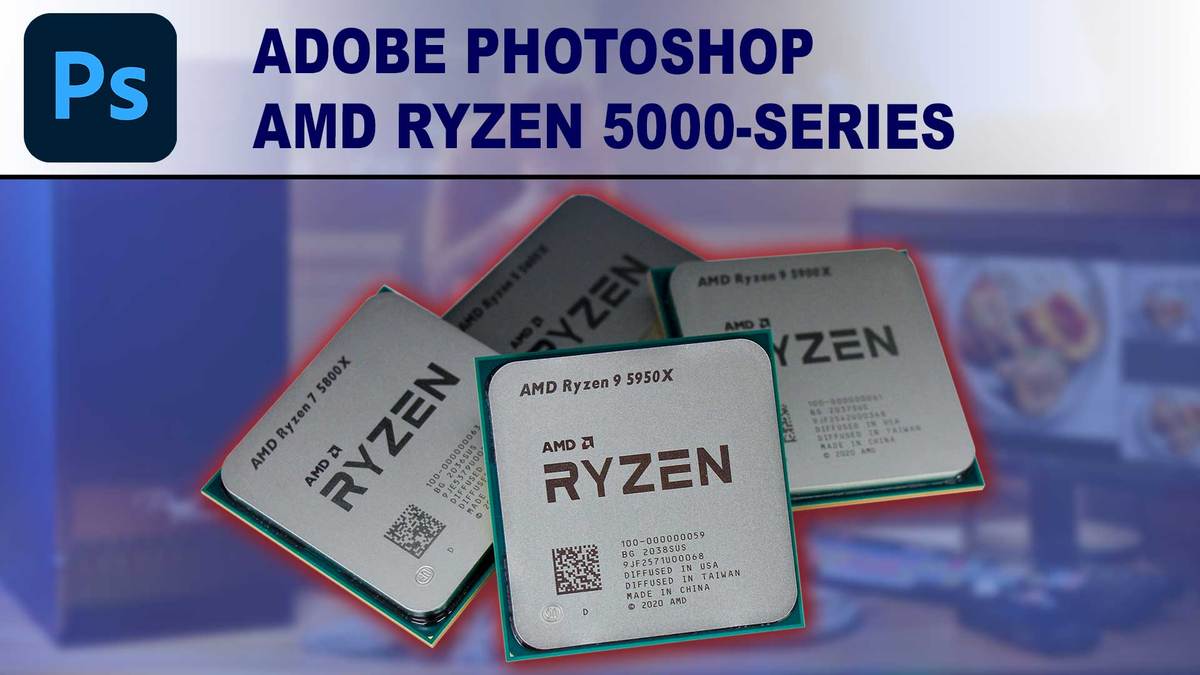
AMD’s Ryzen 5000 Series processors are here, touting major increases in performance. Until now, Intel has held a slight lead in applications like Photoshop that cannot take advantage of a high number of CPU cores, but AMD’s improvements in per-core performance in particular is very likely to allow AMD to take a solid lead over Intel.

AMD and Intel have both released small revisions to their latest-gen consumer CPU lines, in the form of the Ryzen XT models and Core i9 10850K. On paper these appear to be identical to current products except for very slight adjustments in clock speed, but how do they stack up in real-world photogrammetry applications?
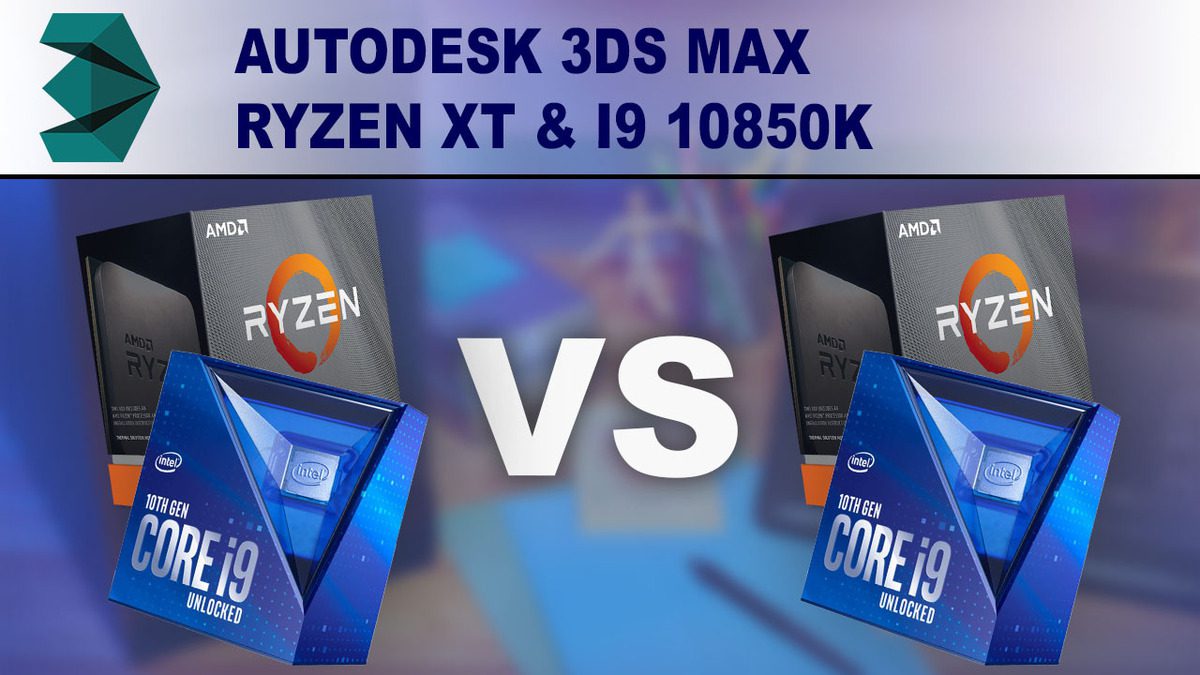
AMD and Intel have both added new CPUs to their existing product lines. AMD launched the Ryzen 3600XT/3800XT/3900XT and Intel launched the core i9 10850K. There are only minor differences in these new CPUs, but what impact does that have on 3ds Max?
Puget Systems builds custom workstations, servers and storage solutions tailored for your work.
We provide:
Extensive performance testing
making you more productive and giving better value for your money
Reliable computers
with fewer crashes means more time working & less time waiting
Support that understands
your complex workflows and can get you back up & running ASAP
A proven track record
as shown by our case studies and customer testimonials