We used Puget Bench to measure the performance gain photographers and photo editors can expect to see by upgrading from Lightroom Classic 15.0 to 15.2.
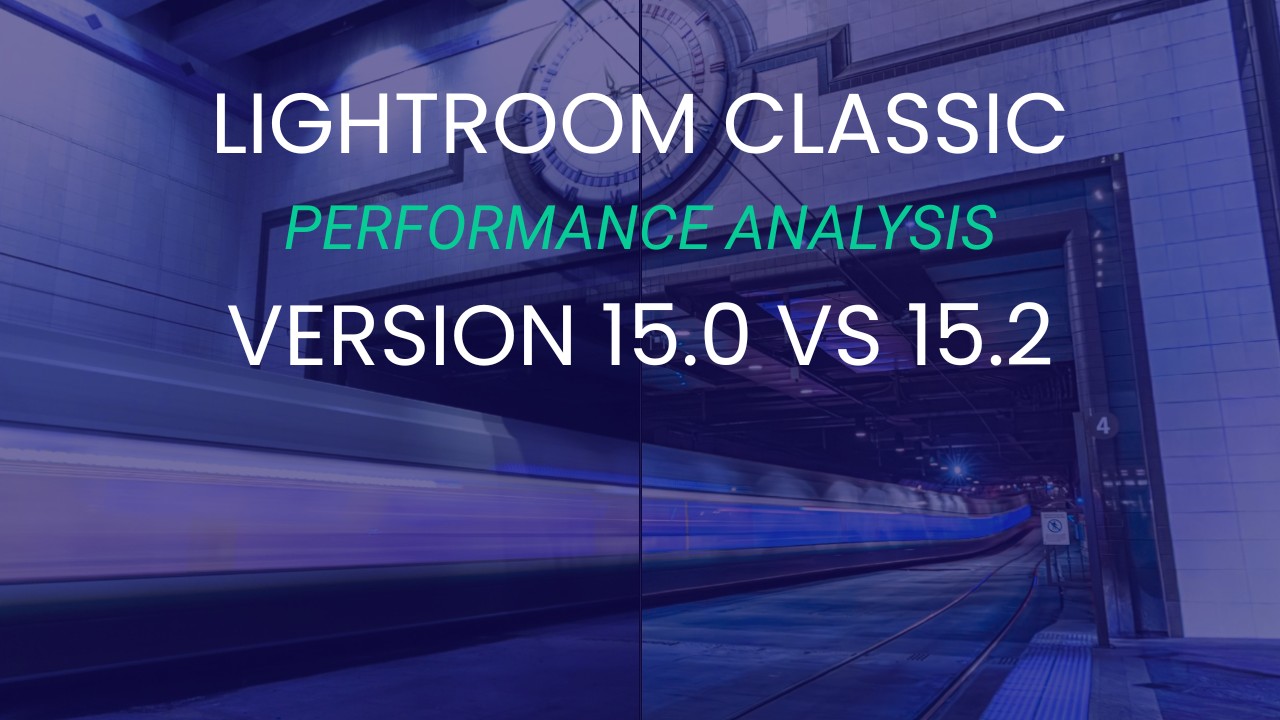
We used Puget Bench to measure the performance gain photographers and photo editors can expect to see by upgrading from Lightroom Classic 15.0 to 15.2.
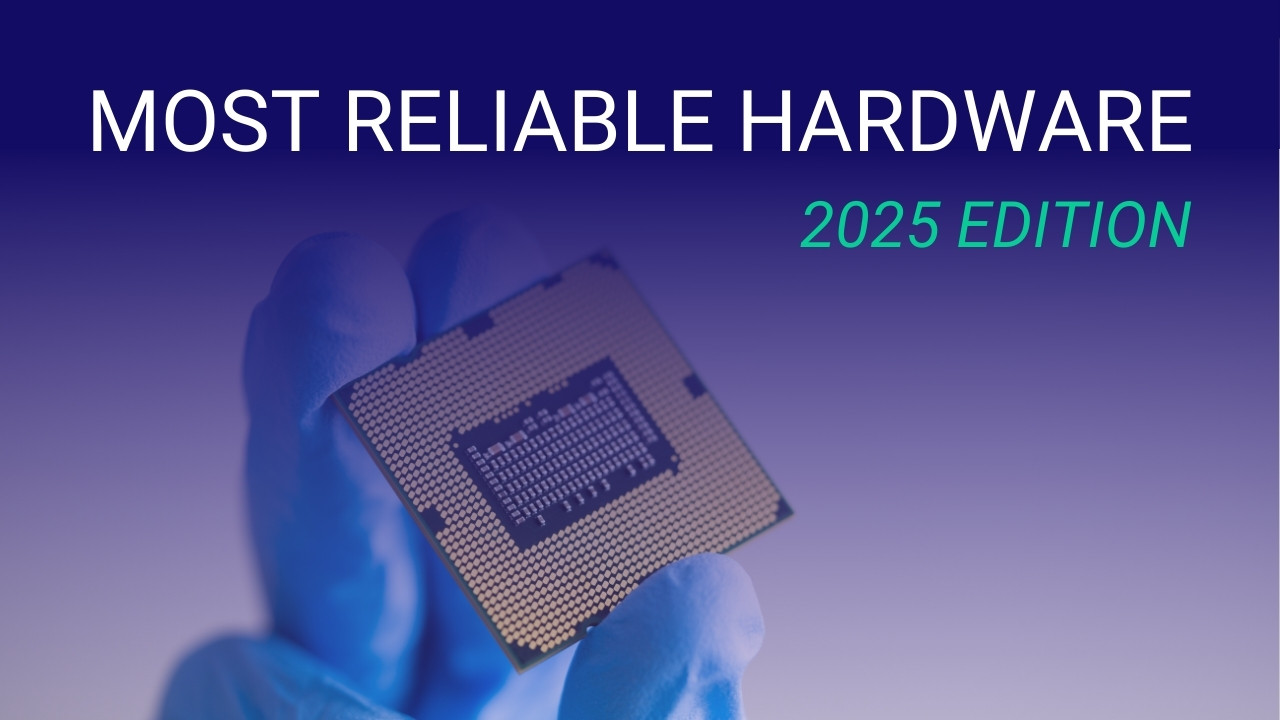
We look back at our records for 2025 to highlight specific brands and models of workstation computer components that we found to be exceptionally reliable.
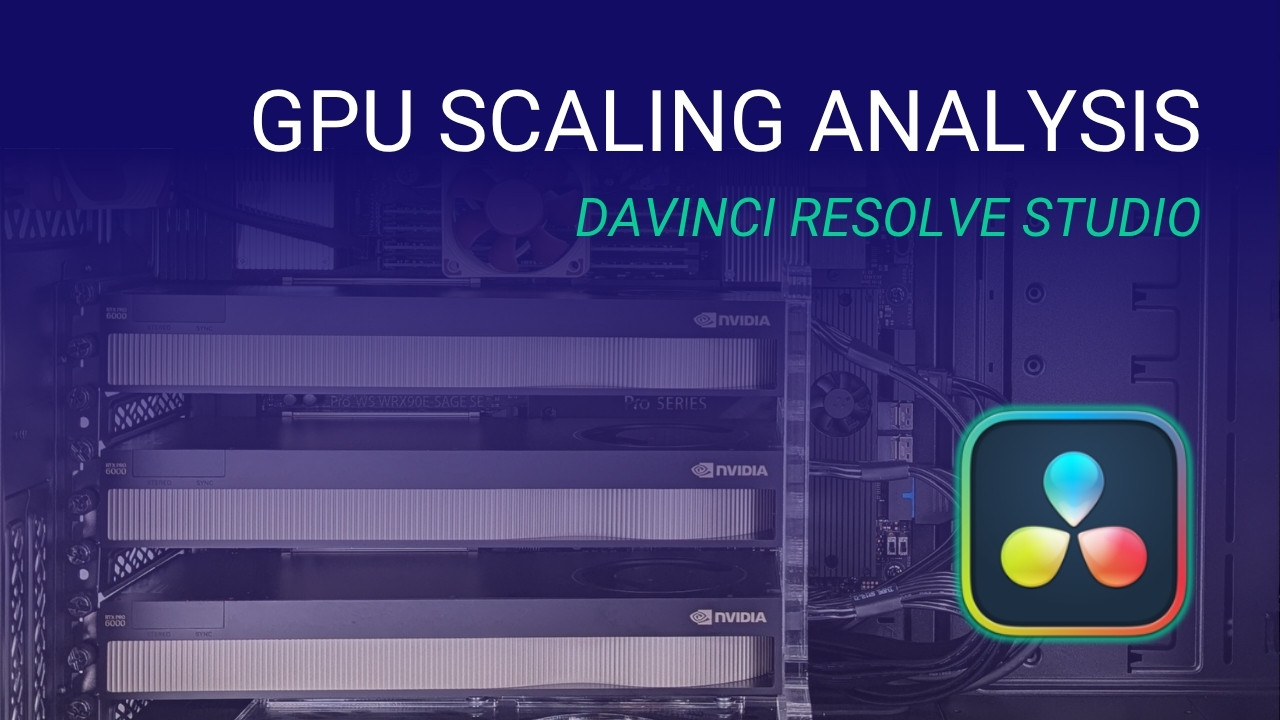
DaVinci Resolve Studio is known for how well it utilizes high-performance video cards, but how well can it scale with multiple NVIDIA and AMD GPUs?
NVIDIA’s marketing for the GeForce RTX 50 Series highlights new capabilities and features, but does real-world performance match the expectations they set?
Our post-production expert Peter gives you a guided tour of the best workstation configurations tailored for different types of After Effects users.
Removing render bottlenecks. High-density servers offer unmatched performance-per-rack, with the flexibility to handle rendering, AI/ML, and beyond.
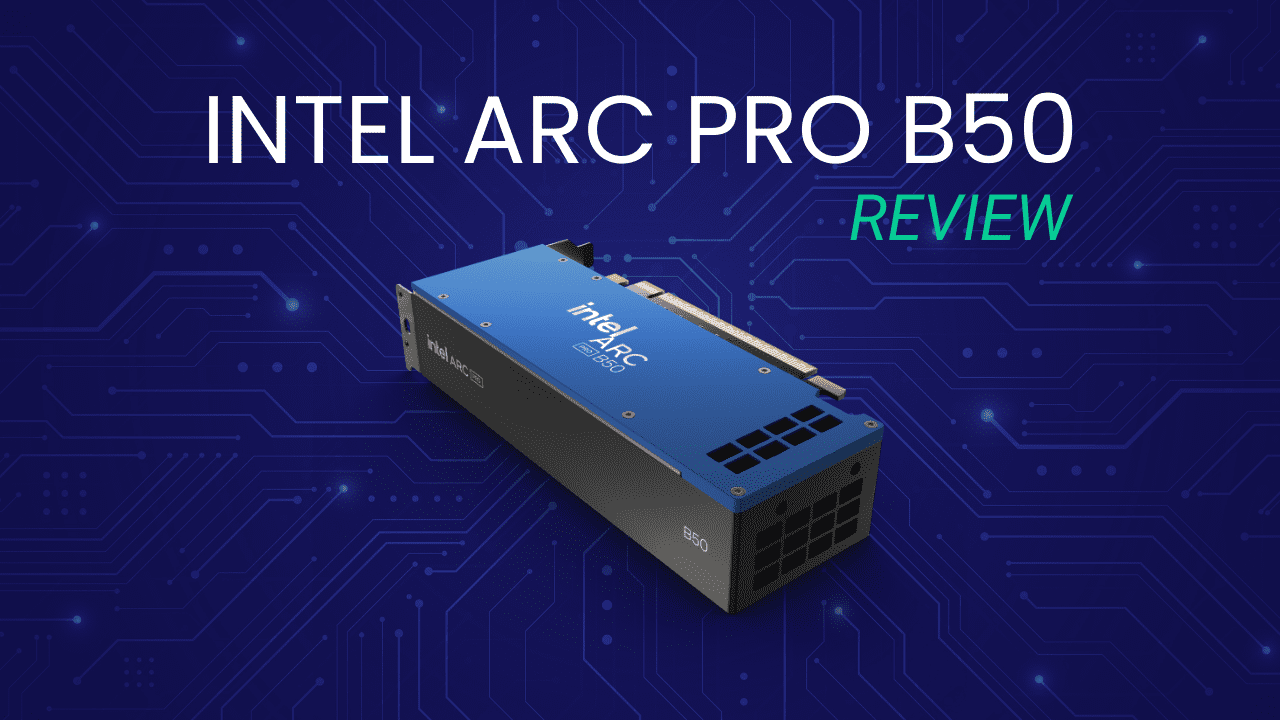
How does Intel’s new entry-level professional Arc Pro B50 GPU compare to the NVIDIA RTX A1000 in professional media editing, AI, and CAD/BIM applications?
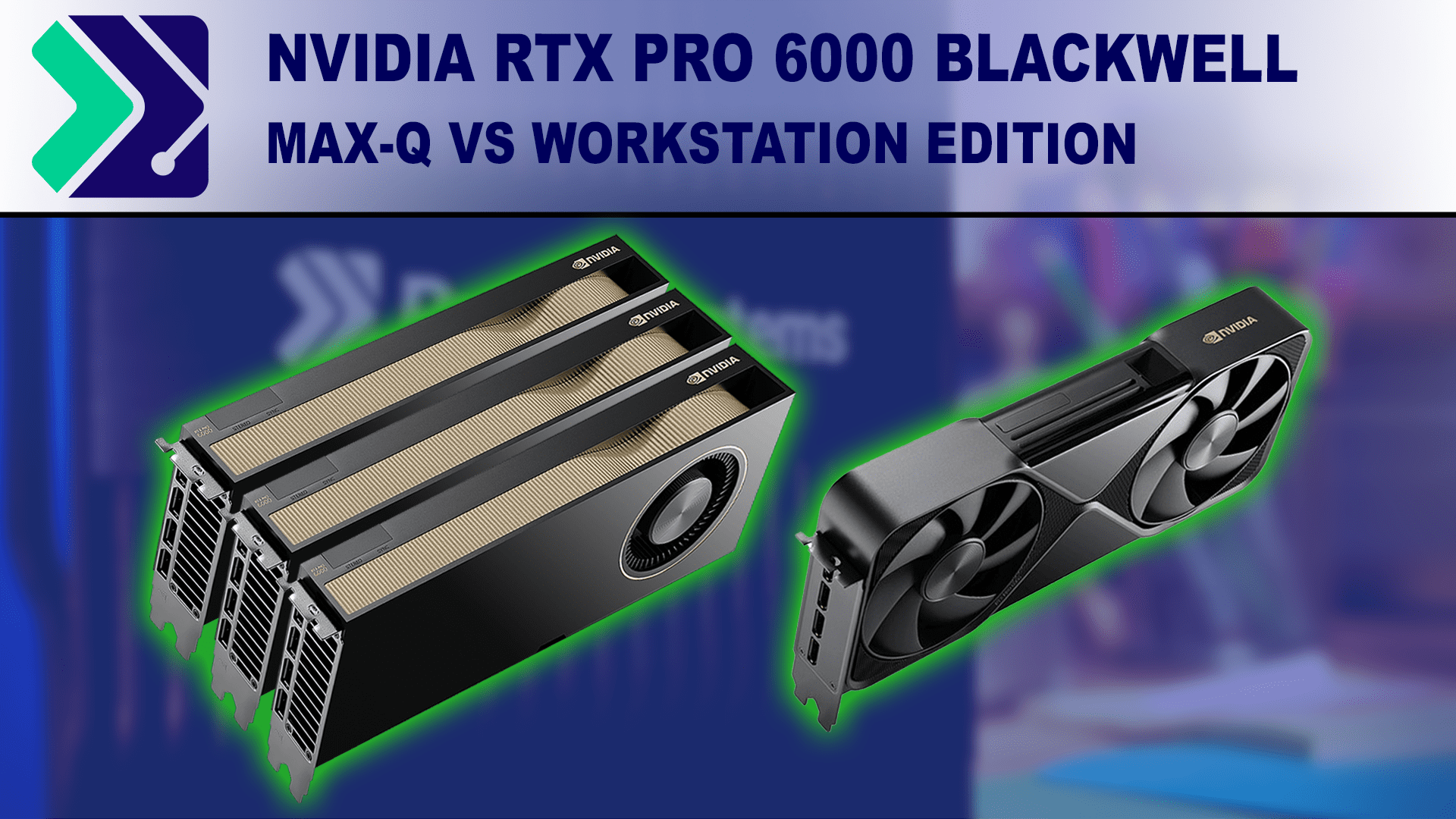
The NVIDIA RTX PRO 6000 Blackwell Max-Q delivers workstation-class performance and can scale in multi-GPU setups for demanding content creation workflows
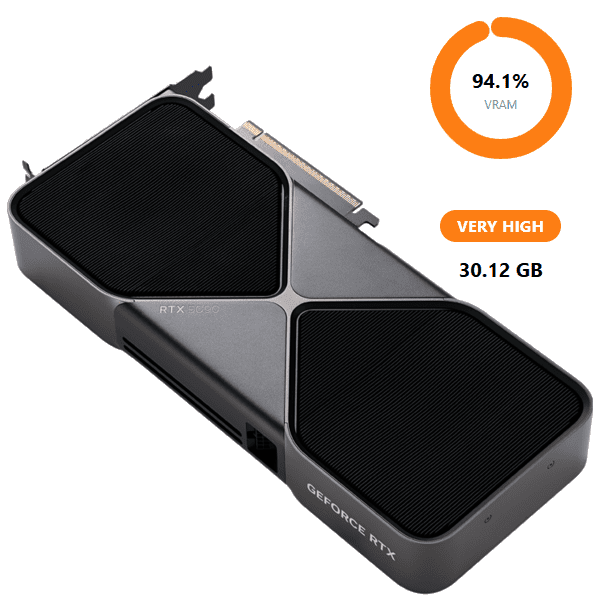
This article provides guidance on how to select the right computer and GPUs for hosting generative AI like LLMs locally, with links to additional resources.
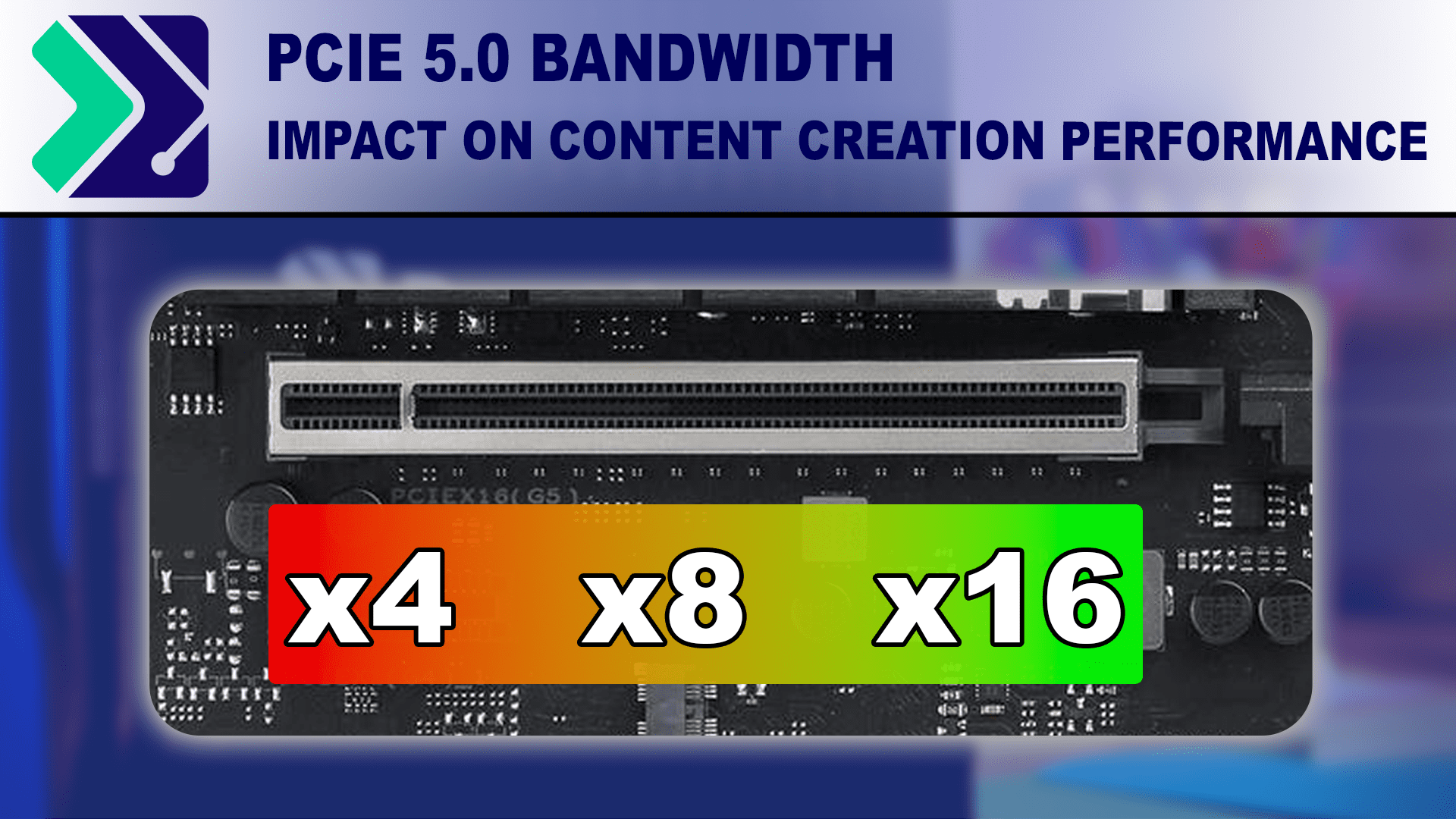
Installing add-in cards—like capture cards—can limit PCIe bandwidth to the GPU. Does the reduction of PCIe bandwidth harm performance in content-creation?
Puget Systems builds custom workstations, servers and storage solutions tailored for your work.
We provide:
Extensive performance testing
making you more productive and giving better value for your money
Reliable computers
with fewer crashes means more time working & less time waiting
Support that understands
your complex workflows and can get you back up & running ASAP
A proven track record
as shown by our case studies and customer testimonials