#Fail

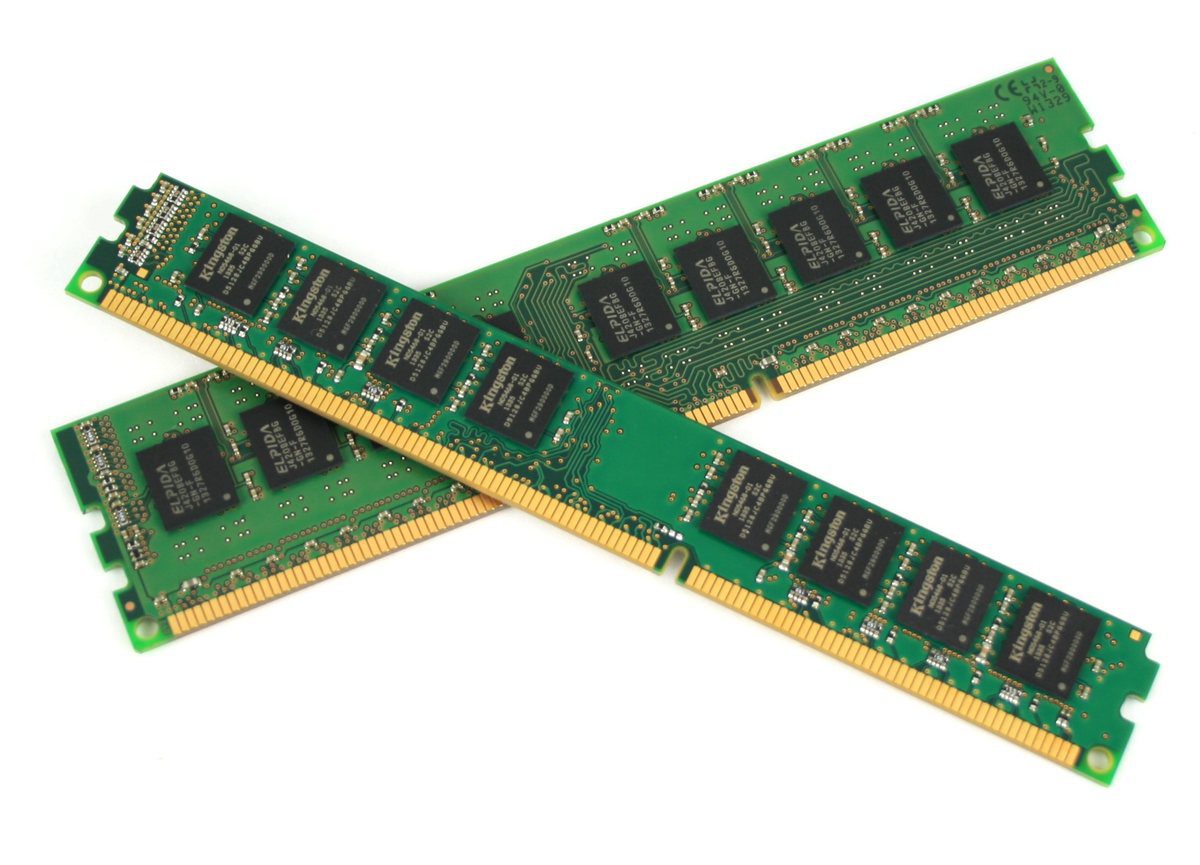
If you want to work at Puget Systems you have to be ready for things to work a bit differently than your last job. You see, here, we are obsessed about a few things and one of them is failure. Everything and everyone has every failure, ever, tracked in our database. Want to know what the failure rate is for a particular stick of RAM? We know it. Want to know how many times your favorite employee has forgotten to add the required build notes to an order? We document their every transgression. We fail things for even the most seemingly inconsequential reason, right down to the smallest scratch you might not have even noticed. Perfection matters. Every week, during our staff meetings, all of the logged failures from the previous week are listed for everyone to see and you get to share with everyone your epic fail.

Tough stuff for the Puget staff, huh?

Not really. Nobody is running around, ducking for cover, while avoiding the axe from Jon. Although that might make for an interesting game it’s not what we do all of this for…it’s for you.

“For what? My entertainment?” you might ask. Nope, for your future sanity.

The Digital Ecosystem

For many years my computing universe orbited around my Windows PC. For instance, the first time I searched Google, updated my status on Facebook or replied to an email I was using a PC.

But that’s not the case for many kids today where their first interaction with a computer is an iPod Touch, tablet or smartphone. Their computing universe resides on a small touch screen, and is dominated by apps. My world recently clashed with that of my 11-year old daughter when I asked for her email address and she replied that nobody emails anymore.

The Craft of PC Building

Some recent news from Apple is creating a lot of talk about manufacturing technology products right here in the US. This is reflecting a move many manufacturers are making by insourcing many aspects of their production.

These companies are learning what we have known here for a long time: we are better off building and supporting the things we sell.

Most of these companies are making the decision to bring manufacturing lines back to the USA for financial reasons. Although every company has to make a profit to plow ahead I think there are some other reasons, besides the financial, that drive our decision to keep virtually all of our operations in-house. Here at Puget Systems those other reasons are also the two big drivers in our decision making process: customer experience and quality of product. No place in our business do those two values show more than in the production department. Here, the craftsmanship of PC building is taken on by a dedicated staff of technicians that leave their personal touch on every system they build.

Comparing Windows 8 to Windows 7 Sales

Last week Microsoft announced sales of Windows 8 licenses have reached 40 million. They provided few details other than adding that most of those were upgrades and that Windows 8 was selling at a faster clip than Windows 7 did three years ago. Of course, this comes several weeks after Microsoft CEO, Steve Ballmer, told a French newspaper that sales of their new Surface tablet, running Windows 8 RT, have gotten off to a “modest” start.