A customer called today, who had heard the term ‘netbook’ but didn’t know what one was. This seemed like a good chance to write a little primer about what a netbook is, and also what it isn’t.

A customer called today, who had heard the term ‘netbook’ but didn’t know what one was. This seemed like a good chance to write a little primer about what a netbook is, and also what it isn’t.

For most of the last decade we’ve carried Seasonic and Corsair power supplies as our the bulk of our lineup. We’ve been extremely happy with both, but we’ve also slowly branched out and have been testing some other highly rated models. Over the last few months, we’ve quietly added the Antec CP-850 to our lineup – and we’ve been extremely happy with it. So with a few extra minutes today I wanted to write a little post about some of its impressive qualities!
In recent days, we’ve seen more and more movement on the Linux Gaming front. TransGaming has done a terrific job with their Cedega product of bringing games to the Linux platform. MNTHGECC9VB9 Even more exciting for Linux users, we’re starting to see some developers gearing up to launch their product on all three platforms simultaneously (such as Heroes of Newerth). Now that Valve’s Steam is available on MacOS, there’s even a lot of belief that a Linux release might be next.
This is the first edition in a series of (hopefully) weekly blog posts titled “Puget Picks”. Our goal is to shine a spotlight on some hardware that we’ve been recently impressed with.
There’s a lot more to any particular piece of hardware than it’s polygon-crunching output, so I want to stay away from a bunch of bean-counting benchmarks (there’s plenty of great sites out there that do a terrific job at that). Instead, I’d like to focus on the hardware from the various perspectives of our departments, and what sort of experiences they’ve had.
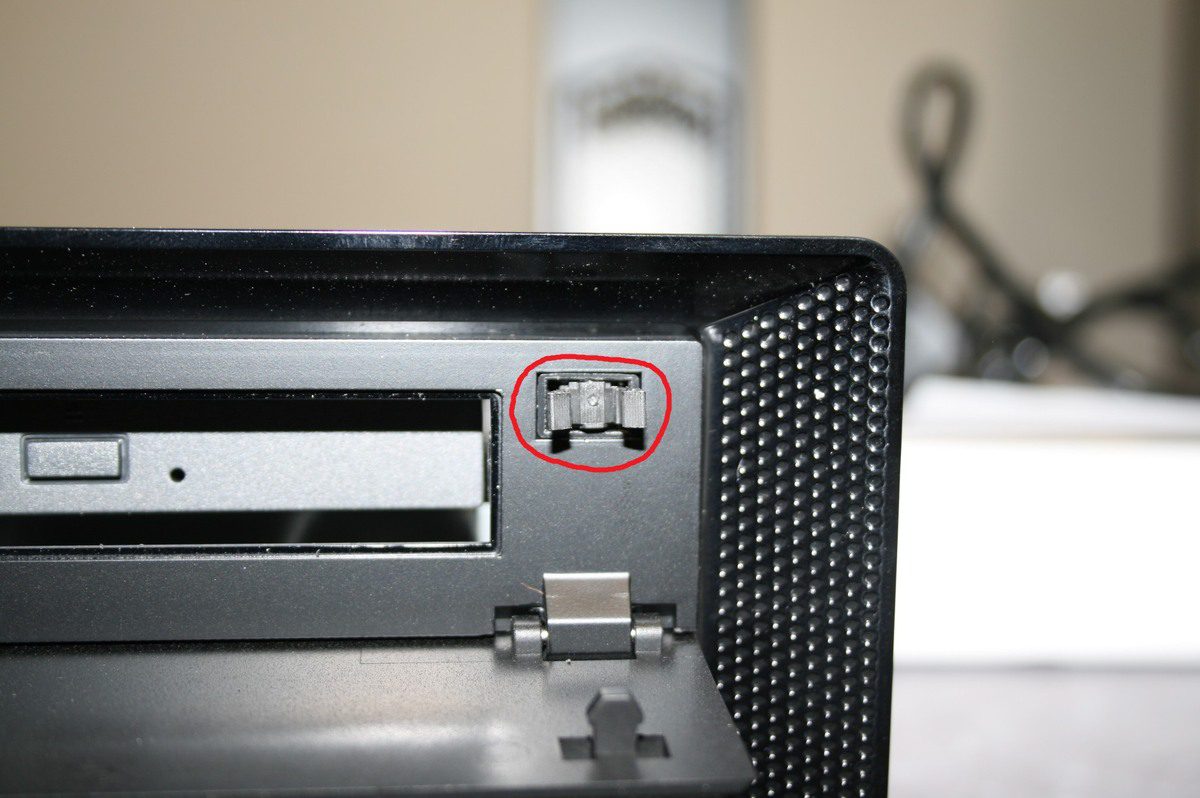
If someone forces open the door on your Puget Echo I system without pushing it in to release the latch, the latch can break. Replacing it is simple if not easy. This guide provides some photos and details that may help.
In the course of my work as a sales consultant here at Puget Systems, I am often asked how I recommend setting up a computer. After all, providing advice like that on hardware configurations is my job! However, there are some deeper insights into how a computer can be set up which go beyond just selecting the right hardware. There are things I don’t often have the opportunity to discuss, and which aren’t really within the purview of a system builder. I wanted to take some time to write about the ideas and practices I use in my own computer setups, in the hope that some of this advice will help others to get the most out of their computers.

Over the last few years, Puget Systems has made a strong effort to get more involved with our local business community. Keeping with this theme, we’re proud to announce our participation in the 2010 Greater Seattle Chamber of Commerce Trade Show. We are both a sponsor of the event and a exhibitor. For those of you in the Seattle area, we encourage you to stop by the show and say hello. The show is May 12th and we’re in booth number 225. Hope to see you there!
As a promotion for the show, the Chamber stopped by and made a quick video highlighting Puget. Enjoy!
It’s been a while since we’ve posted something to the ol’ Puget Blog. Why the neglect? We’ve been crazy busy trying to roll out new website features and keep up with all the newest hardware launches! We’ve got a brand new layout on the site for each of our branded systems, and a bunch of slick new hardware, like the Nvidia ‘Fermi‘ Video cards.
I wanted to share some fun before-and-after pictures of a system we were working on recently. If you don’t live near us here in Seattle, you might not know that we do computer repair too. We offer free diagnostic, and very reasonable rates on the work. (To be honest with you, we see local computer repair as a good way to spread word-of-mouth, not really as a moneymaker).
Anyhow, we have a customer who had just picked up his brand new Puget Deluge gaming computer, and he was really impressed with the cable and wiring job that our production team did. He mentioned that he had an old system laying around that he had built a few years ago, and asked if we could give it a bit of a face-lift.
So I wanted to pass along a few of these shots. Our build staff does a great job, and I’m glad to have a chance to feature a bit of their work!
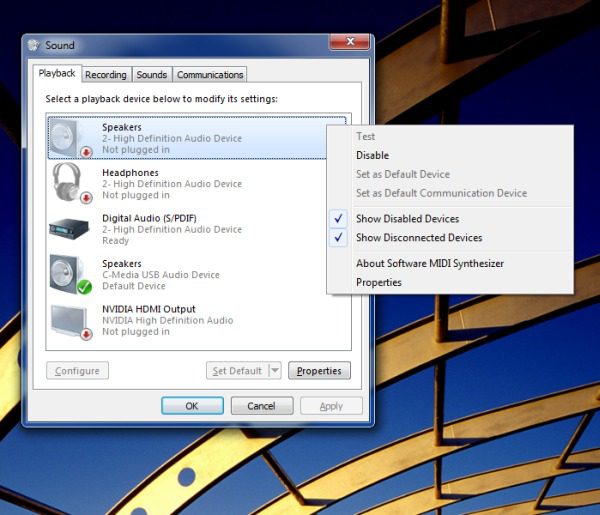
One of the more common support calls is from a customer who is not getting audio when using their computer. While this can be indicative of a bad sound card, in the vast majority of cases it turns out to be a misconfiguration. We’ve put together this quick guide to walk through some of the more common issues one can run into when the audio goes out.
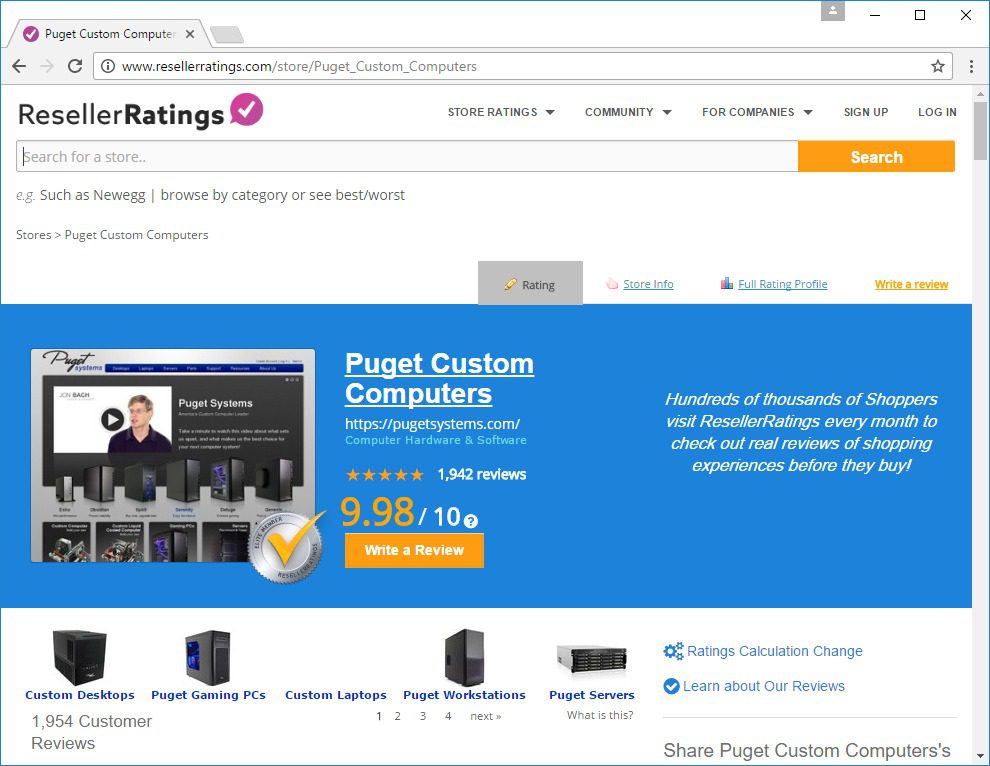
As a customer of Puget Systems, the best way you can help us is to give us your feedback and to tell others about us. A great way to do both at the same time is to submit your opinions about us on a public ratings site like Reseller Ratings!
Puget Systems builds custom workstations, servers and storage solutions tailored for your work.
We provide:
Extensive performance testing
making you more productive and giving better value for your money
Reliable computers
with fewer crashes means more time working & less time waiting
Support that understands
your complex workflows and can get you back up & running ASAP
A proven track record
as shown by our case studies and customer testimonials