PyTorch is a relatively new ML/AI framework. It combines some great features of other packages and has a very “Pythonic” feel. It has excellent and easy to use CUDA GPU acceleration. It is fun to use and easy to learn. read on for some reasons you might want to consider trying it. I’ve got some unique example code you might find interesting too.


Photo Taco Lightroom Computer 2018
Jeff, at Photo Taco, talks with computer building expert Matt Bach of Puget Systems about the best choices for building a Lightroom computer in 2018. They talk about all of the decisions to make to custom build a Windows computer, as well as the recommendations for where it is worth spending the money if you are buying a Mac or a PC from a big box store.

Windows 10 Drive Partitions
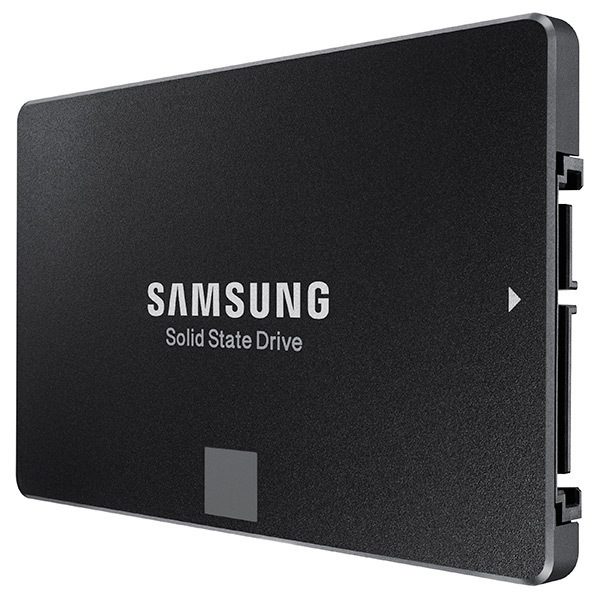
Have you ever wondered why your hard drive is split up into different partitions? This article will explain in depth the different kinds of drive partitions, how to split up a drive into different sections, and what partitions to expect when installing and operating in Windows 10.
Easy Image Bounding Box Annotation with a Simple Mod to VGG Image Annotator
In this post I go through a simple modification to the VGG Image Annotator that adds easy to use buttons for adding labels to image object bounding-boxes. It is very fast way to do what could be a tedious machine learning data preparation task.

How to Disable USB Selective Suspend
Are you having trouble with your USB devices not being recognized after your system wakes up from sleep mode? Check out this guide where we cover the Windows USB Selective Suspend feature and how to disable it.

Can You Mix Different GPUs in Octane and Redshift?
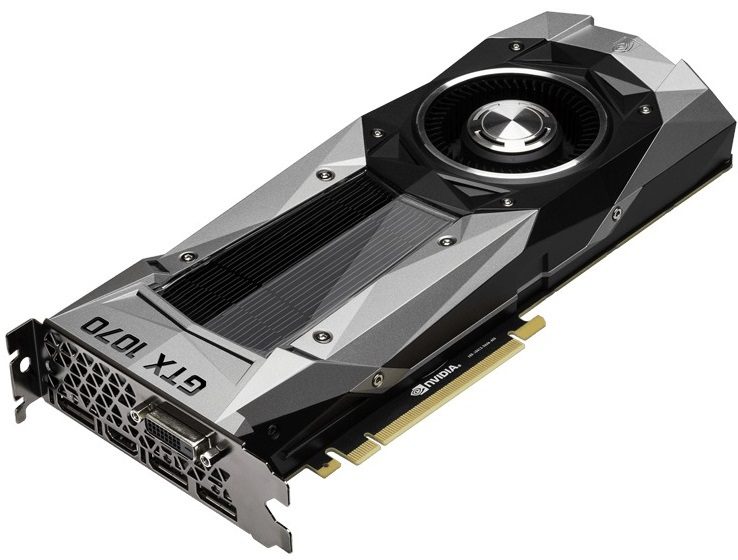
GPU rendering engines like OctaneRender and Redshift utilize the computational power of the graphics processing chips on video cards to create photo-realistic images and animations. The more powerful the video card, the faster the rendering process goes – and multiple video cards can be used together to further improve performance. But can those video cards be a mix of different models, or do they all need to be identical?

The Puget Systems Repair Experience: What You Can Expect
All Puget Systems come with lifetime labor and support. Although we hope that you never have to send your system in to be repaired there maybe be a time when you do. This article was created in an effort to show you what to expect when you do have to send your system in for repair.
The Best Way to Install TensorFlow with GPU Support on Windows 10 (Without Installing CUDA)
In this post I’ll walk you through the best way I have found so far to get a good TensorFlow work environment on Windows 10 including GPU acceleration. YOU WILL NOT HAVE TO INSTALL CUDA! I’ll also go through setting up Anaconda Python and create an environment for TensorFlow and how to make that available for use with Jupyter notebook. As a “non-trivial” example of using this setup we’ll go through training LeNet-5 with Keras using TensorFlow with GPU acceleration. We’ll get a setup that is 18 times faster than using the CPU alone.

How To Remove The Puget Tools Application
The Puget Tools application is installed on all Puget computers built after 01/01/2018. If you do prefer to remove this application, this guide will help you do so.

Redshift 2.5.72 vs 2.6.11 Performance Comparison
Redshift is a GPU-based rendering engine, which recently updated from version 2.5.72 to 2.6.11. That update added compatibility with NVIDIA’s Volta GPU architecture, and cards like the Titan V, but did it also improve render speeds?