Just like the original Ryzen CPUs, the 2nd Gen Ryzen processors from AMD support a range of different RAM speeds depending on a number of factors. This information is not easily accessible to the public, however, so we decided to put together a quick post with the information we received from our contacts at AMD.

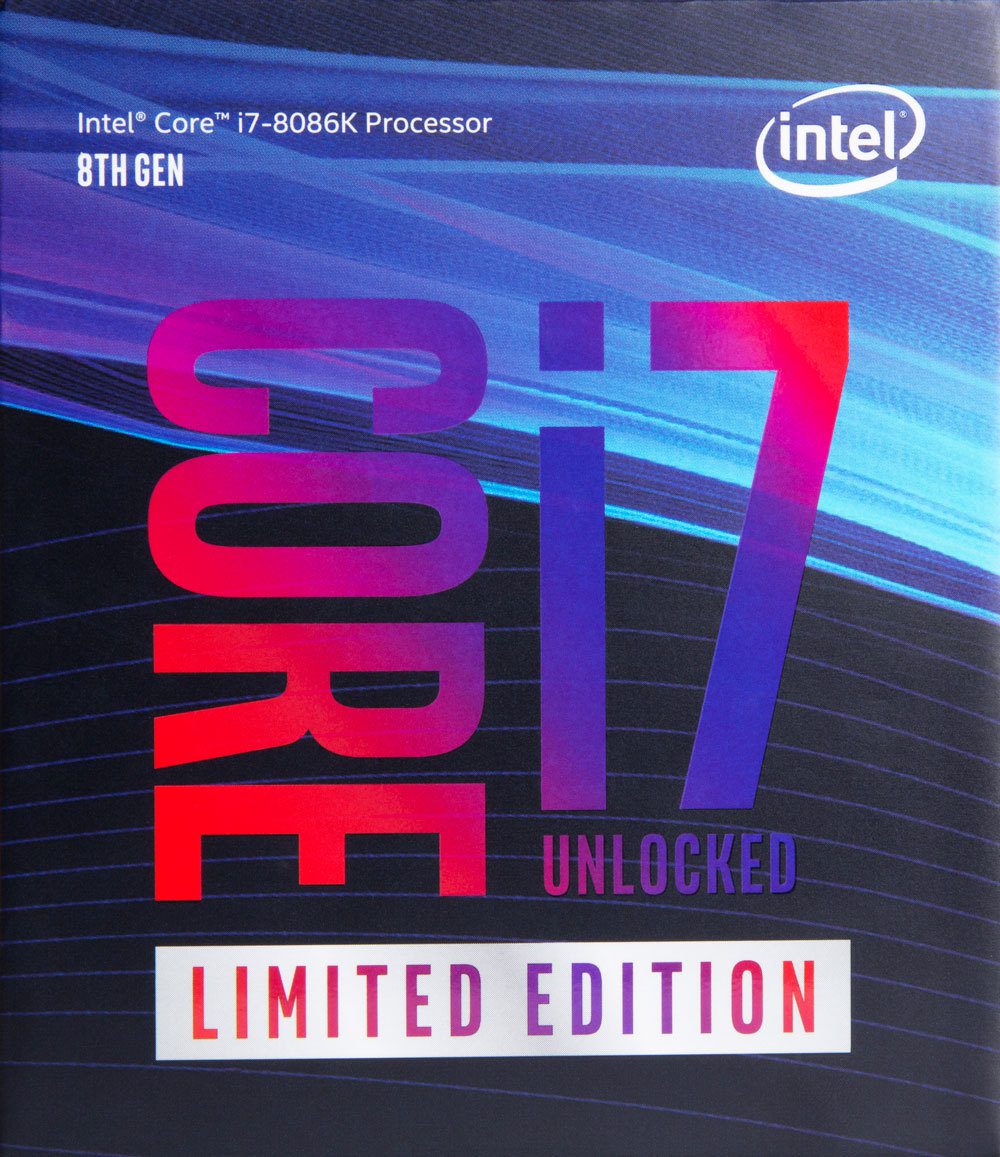
Intel 8086K Processors
The Core i7-8086K is an 8th-generation microprocessor with six cores, 12 threads and a maximum clock speed of 5GHz. Experience Intels fastest processor ever by purchasing one of a limited supply of Puget Systems workstations powered by the special edition Intel Core i7-8086K processor.
Install TensorFlow with GPU Support on Windows 10 (without a full CUDA install)
In this post I’ll walk you through the best way I have found so far to get a good TensorFlow work environment on Windows 10 including GPU acceleration. I’ll go through how to install just the needed libraries (DLL’s) from CUDA 9.0 and cuDNN 7.0 to support TensorFlow 1.8. I’ll also go through setting up Anaconda Python and create an environment for TensorFlow and how to make that available for use with Jupyter notebook. As a “non-trivial” example of using this setup we’ll go through training LeNet-5 with Keras using TensorFlow with GPU acceleration. We’ll get a setup that is 18 times faster than using the CPU alone.

How to Manually Install Windows 10 Updates
Most of the time, Windows 10 will keep itself up to date – but if you run into a situation where an update is not available, or not applying automatically, there are ways to manually download and apply patches. This article will outline those options.

Case Study with Utah State University
Professor George and his students at Utah State University used three Puget Systems workstations, along with photogrammetry and virtual reality programs, to design a new, sustainable community on Powder Mountain in the Ogden Valley of Utah.
Install TensorFlow with GPU Support the Easy Way on Ubuntu 18.04 (without installing CUDA)
TensorFlow is a very important Machine/Deep Learning framework and Ubuntu Linux is a great workstation platform for this type of work. If you are wanting to setup a workstation using Ubuntu 18.04 with CUDA GPU acceleration support for TensorFlow then this guide will hopefully help you get your machine learning environment up and running without a lot of trouble. And, you don’t have to do a CUDA install!

When to use Windows 10 Recovery Options
Experiencing the well known blue screen of death, dramatic slowdowns, software instability, or simply want to know your options for restoring your Windows 10 system? This article will go over the recovery options available within Windows 10 to return your system to a stable point. Knowing WHICH restore option to use to when, will help get your system back up and running quickly and efficiently.

How To Select The Right Uninterruptible Power Supply (UPS) For Your Computer
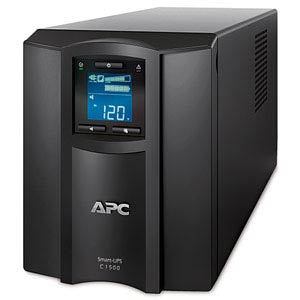
An uninterruptible power supply, also called a UPS system or UPS battery backup, protects connected equipment from power problems and provides battery backup power during electrical outages. This article explains the differences between UPS models and aims to help users select the right UPS for their computer system.

Setting up multiple monitors in Windows 10
Have you plugged in a second or third display and need to set it up? Check out this guide where we cover how to configure multiple displays in Windows 10.
PCIe X16 vs X8 with 4 x Titan V GPUs for Machine Learning
One of the questions I get asked frequently is “how much difference does PCIe X16 vs PCIe X8 really make?” Well, I got some testing done using 4 Titan V GPU’s in a machine that will do 4 X16 cards. I ran several jobs with TensorFlow with the GPU’s at both X16 and X8. Read on to see how it went.