We tested the performance of current-generation graphics cards from AMD and NVIDIA with Topaz Video’s Starlight models.

We tested the performance of current-generation graphics cards from AMD and NVIDIA with Topaz Video’s Starlight models.
We tested the performance of current-generation professional GPUs from AMD, Intel, and NVIDIA in Topaz Video version 1.6.1.
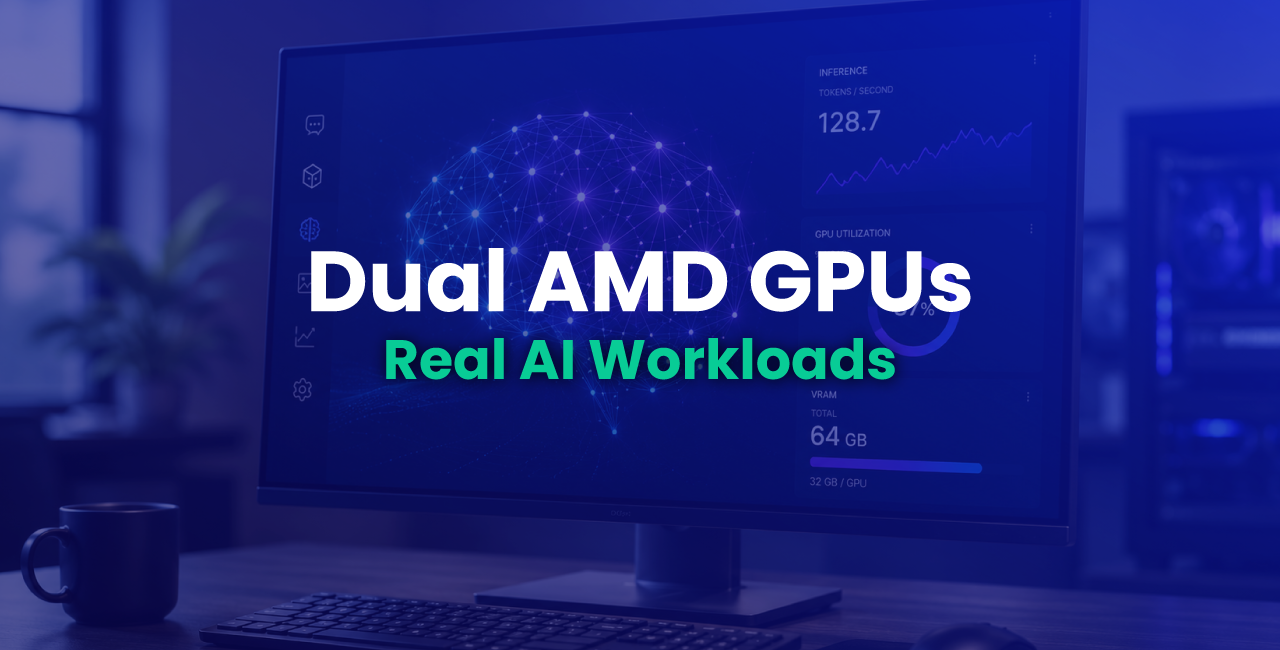
Can two Radeon AI PRO R9700 cards deliver production-quality local LLM inference and image generation? How do they compare against Intel’s Arc Pro B70 GPUs?
We tested the performance of current-generation GPUs from AMD, Intel, and NVIDIA in Topaz Video version 1.6.1.
We examine GPU performance with the new Gaussian splatting method in PIX4Dmatic 2.5 across two datasets and multiple generations of video cards.
We tested the AMD Radeon RX 9070 GRE in professional content creation applications, evaluating based on both MSRP and current market pricing.

Dustin investigates how Intel’s new Arc Pro B70 performs for local LLM and image generation, both as a single card and in a set of four GPUs.
Rising GPU prices and improving AMD support are changing the conversation about rendering. See how AMD’s latest Radeon GPUs compare to NVIDIA today.
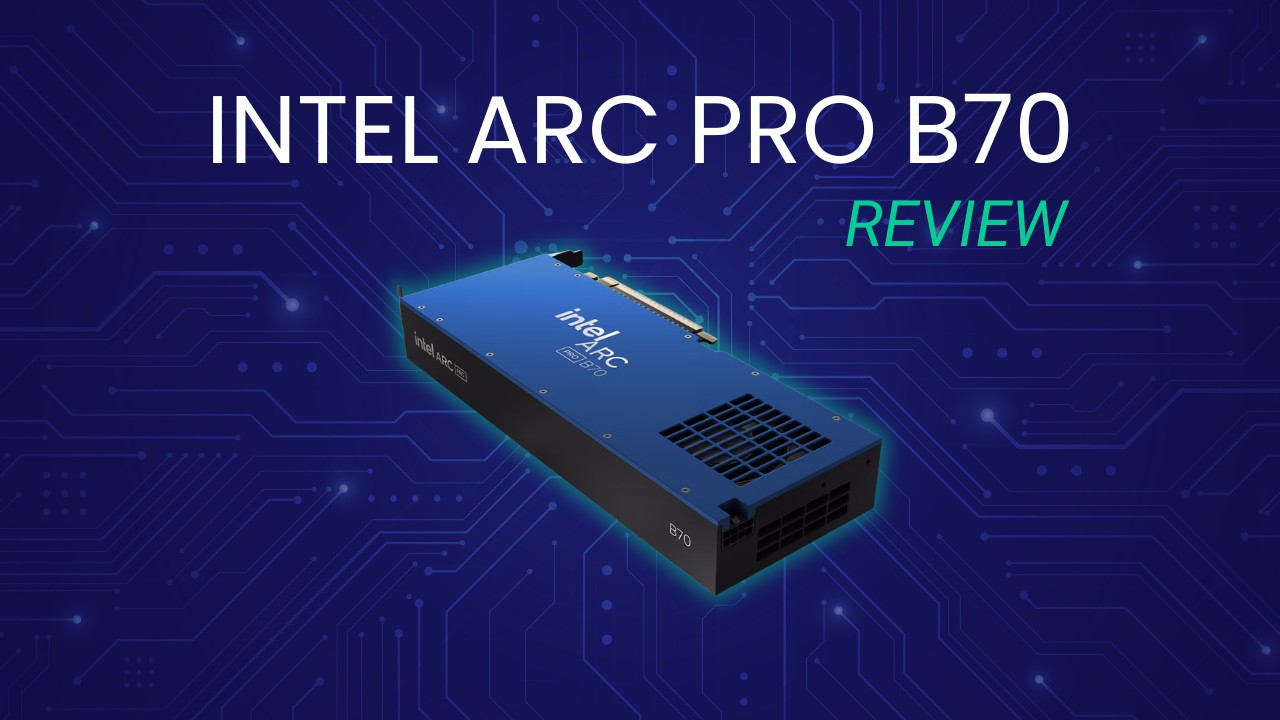
How does Intel’s new Arc Pro B70 32GB professional GPU stack up against the competition in media editing, rendering, AI, CAD, and BIM applications?
We tested the new Puget Bench for Lightroom Classic 1.0 and Lightroom Classic 15.2 releases to see how modern CPUs and GPUs affects performance.
Puget Systems builds custom workstations, servers and storage solutions tailored for your work.
We provide:
Extensive performance testing
making you more productive and giving better value for your money
Reliable computers
with fewer crashes means more time working & less time waiting
Support that understands
your complex workflows and can get you back up & running ASAP
A proven track record
as shown by our case studies and customer testimonials