Pix4D Cloud vs Local Processing

Pix4D is a photogrammetry application which can take sets of photographs and turn them into point clouds and 3D meshes, to make digital versions of real-world objects or locations. It supports both local processing on a workstation as well as uploading images to be processed in the cloud – but which is faster, and what advantages does each have?

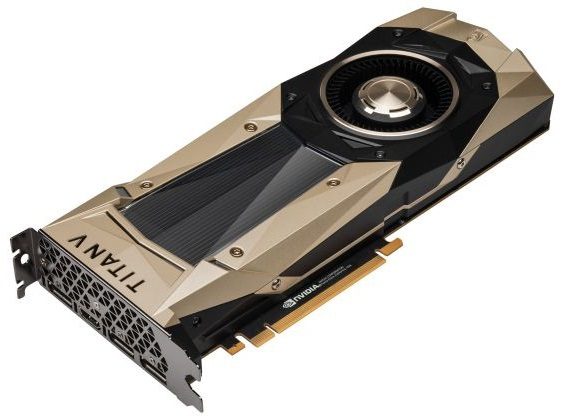
A quick look at Titan V rendering performance

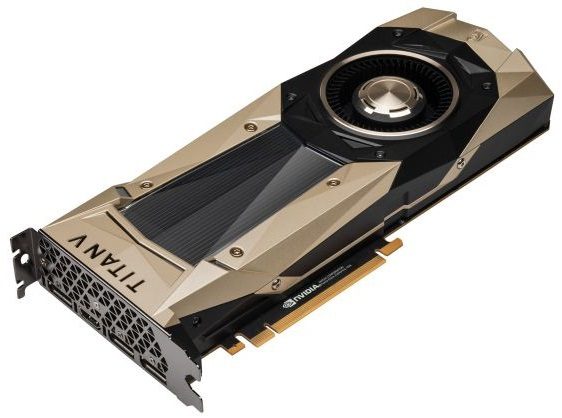
The latest in the Titan line is here, bringing along with it a very hefty price tag. We just got our first cards in and while we will be doing more in-depth testing in the near future, we wanted to take a look at some preliminary GPU-based rendering results.

NVIDIA Titan V Surprise

NVIDIA’s CEO, Jen-Hsun Huang, dropped a bit of a bombshell at the NIPS conference yesterday: the launch – and immediate availability – of the next graphics card in NVIDIA’s Titan series. It is called the Titan V, with V referring to the new Volta architecture it is based on. So what can we expect from the latest entry in the Titan lineup?

Stop Directly Comparing CPU Specs

Every time a new generation of CPUs is announced, I see a number of people writing about how they think it will be faster (or slower) than current technology because of the advertised specifications. CPU specs alone don’t tell the whole story, though, and comparing core count and clock speed across different brands or generations of processors is extremely misleading. Stop doing it!

Dear Bitplane and Imaris Users

Due to the extraordinary amount of time and effort that goes into one of our Recommended Systems we will no longer be able to maintain and update our Recommended System for Imaris.

ANSYS Mechanical – Balancing Performance and Licensing Costs

We test a lot of software here at Puget Systems, and in most cases what we are looking for is what hardware lets a given program run the fastest – or in some cases, what is the most cost effective. If you can get 95% of the best possible performance for half the price that it would cost to get a full 100%, for example, that is often a compelling way to go. However, ANSYS Mechanical (and FLUENT) present a different challenge: how can you get the best performance within the limitations of the ANSYS licensing model?