Hardware-accelerated GPU scheduling is a behind-the-scenes change in Windows to move processing GPU requests from the CPU to the GPU. Does enabling the feature have any impact on content creation performance?
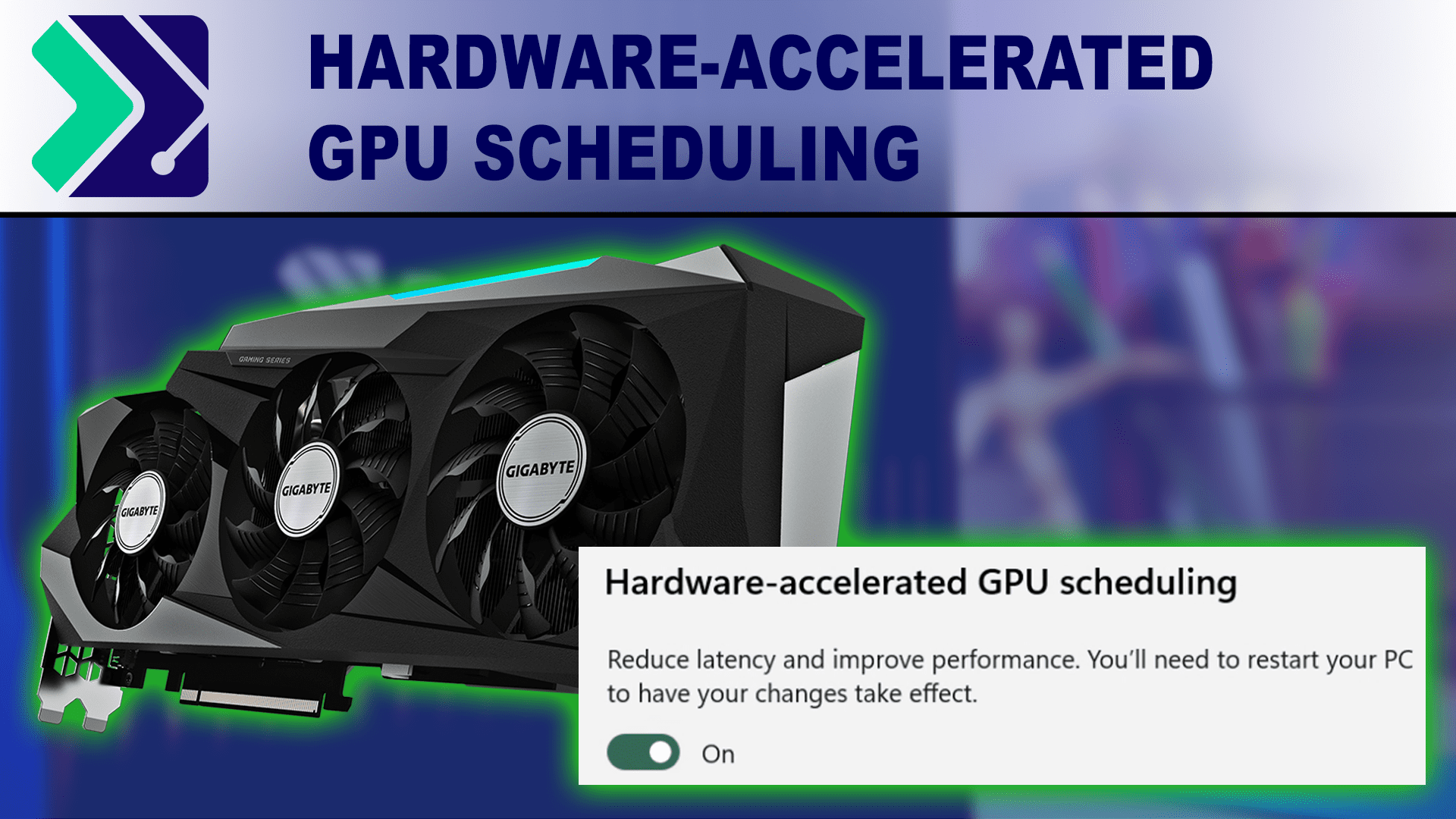
Hardware-accelerated GPU scheduling is a behind-the-scenes change in Windows to move processing GPU requests from the CPU to the GPU. Does enabling the feature have any impact on content creation performance?

Come visit us at booth 630 this year for Siggraph’s 50th conference!
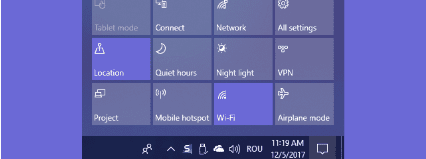
If you’re looking to reclaim taskbar space, there are alternative methods available to access important notifications without compromising functionality.

In this post address the question that’s been on everyone’s mind; Can you run a state-of-the-art Large Language Model on-prem? With *your* data and *your* hardware? At a reasonable cost?

Maxon announces new hardware requirements for both CPU and GPUs. How will this impact existing users, and those shopping for new systems?
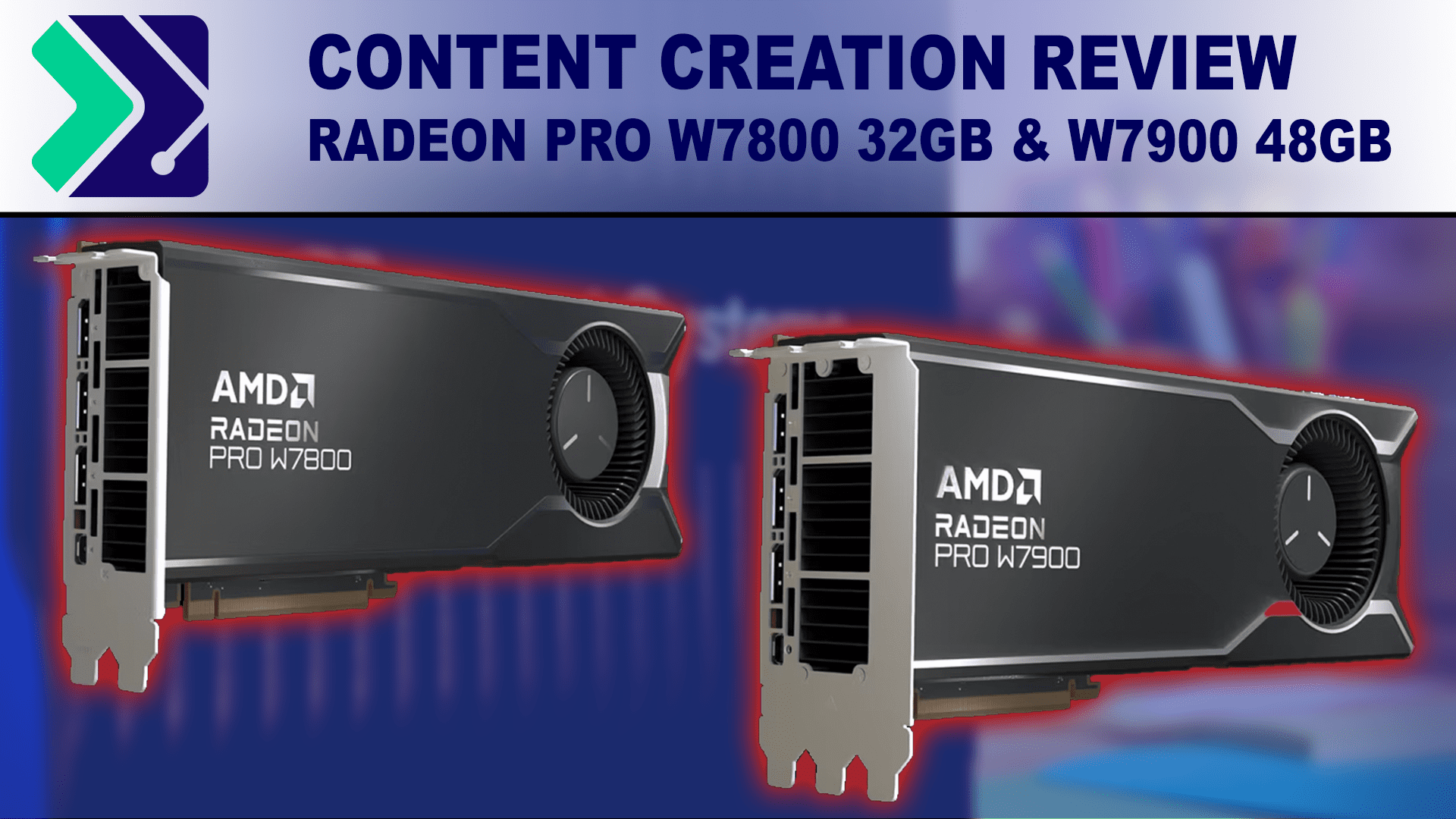
AMD’s has released the Radeon PRO 7000 series of graphics cards featuring up to 48 GB of VRAM. How do they compare to NVIDIA’s RTX Ampere and Ada GPUs?

Microsoft has officially ended support for Windows 10 21H2, including Home, Pro, Pro Education, and Pro for Workstations editions, with the release of the June 2023 security updates.

Dan Bernard and Casey Faris are two passionate content creators who have fostered success across several creative and philanthropic ventures, including Ground Control, HeartSupport, and ResolveCon.

This article explores three methods to configure the system tray clock in Windows and enable the display of seconds for users who prefer a more detailed time format.
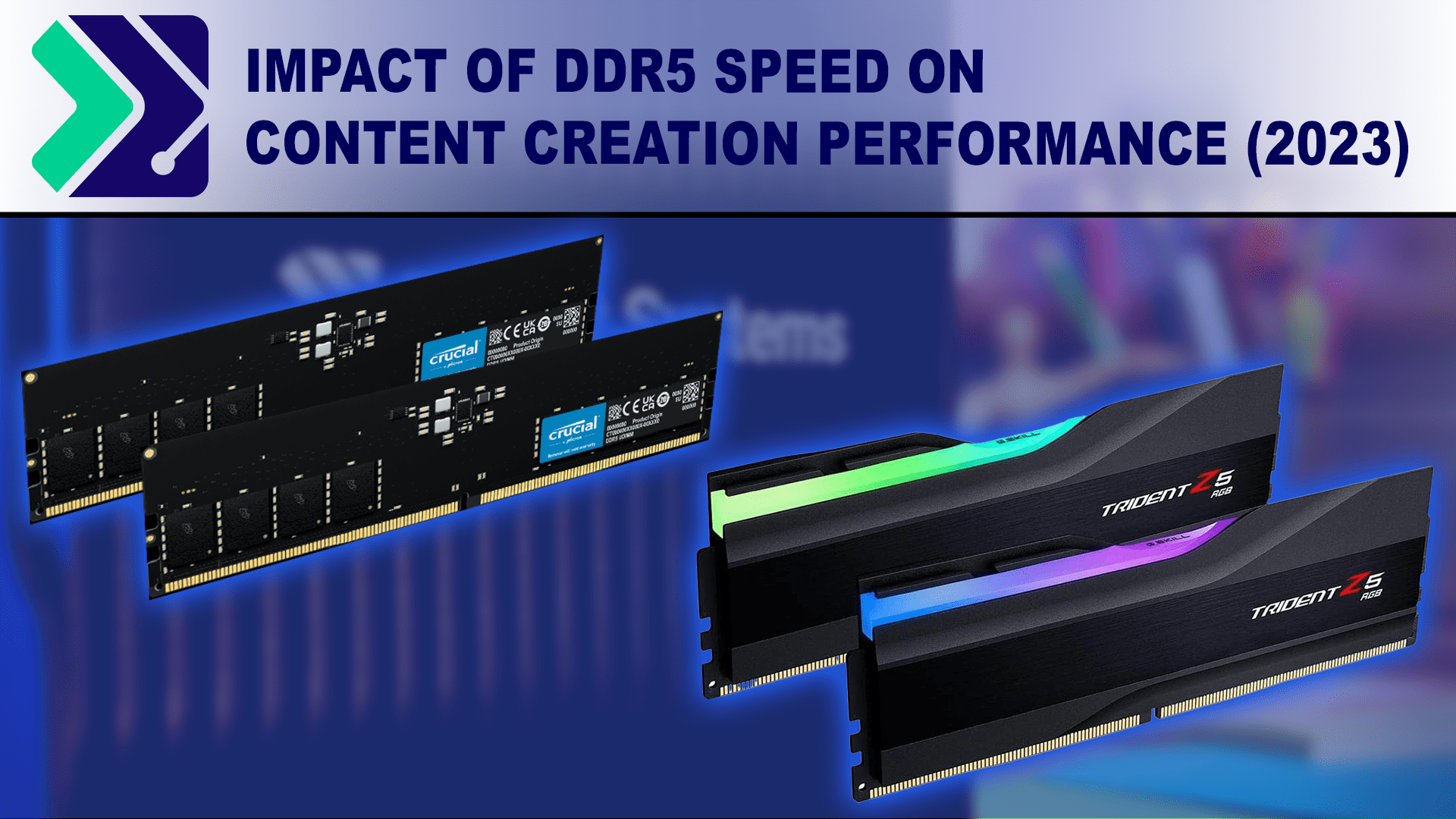
DDR5 memory has kits rated for up to 8400 Mbps, while desktop CPUs only officially support up to 5600 Mbps. How much does running at official specifications actually impact performance in common content creation applications?
Puget Systems builds custom workstations, servers and storage solutions tailored for your work.
We provide:
Extensive performance testing
making you more productive and giving better value for your money
Reliable computers
with fewer crashes means more time working & less time waiting
Support that understands
your complex workflows and can get you back up & running ASAP
A proven track record
as shown by our case studies and customer testimonials