Table of Contents
What is Puget Labs?
When we first announced Puget Labs in 2011, the department’s purpose was quite a bit different from what it is today. At the time, it functioned as more of a product R&D department, with the twist of publishing as much of our qualification and testing data as possible. That aligned with our general policy of transparency and worked to build customer confidence in the hardware we used in our product line.
Since then, Puget Labs has evolved into something very different. Many of the product R&D roles have moved to our dedicated R&D department, with the primary mission of Labs shifting to exploring and communicating how hardware impacts performance in real-world professional workflows across Content Creation, Engineering, and AI/HPC. While our articles are still rooted in hardware testing, they differ from general-purpose review sites like Tom’s Hardware or Linus Tech Tips which tend to cover gaming and more generic workloads. Instead, our focus is almost exclusively on professional workloads like video editing, 3D rendering, CAD, photogrammetry, and AI.
Beyond written content, the Labs team also contributes to videos, podcasts, and other educational resources. You’ll find us on the Puget Podcast, guesting on industry channels (like this video with Casey Faris: How to Build the BEST PC for DaVinci Resolve), and participating at events like NAB, Adobe MAX, UnrealFest, and SIGGRAPH – either in our booth, attending sessions, or giving presentations on the show floor.
Today, Puget Labs is the hub of our industry and technical expertise here at Puget Systems. It is the bridge between the latest technology and the real-world needs of creative and technical professionals. Whether through performance testing, benchmark development, industry collaboration, or articles, Labs is where our values of transparency, education, and practical performance come into action.
Puget Labs Setups Over the Years
Since it was announced in 2011, Puget Labs has grown, as has the space and equipment we have access to. At the very beginning, Labs was a single employee at a typical office desk. However, since we needed to test various hardware, we quickly found that a simple desk wouldn’t cut it, and that we needed a more purpose-built setup.
2012-2016
Image
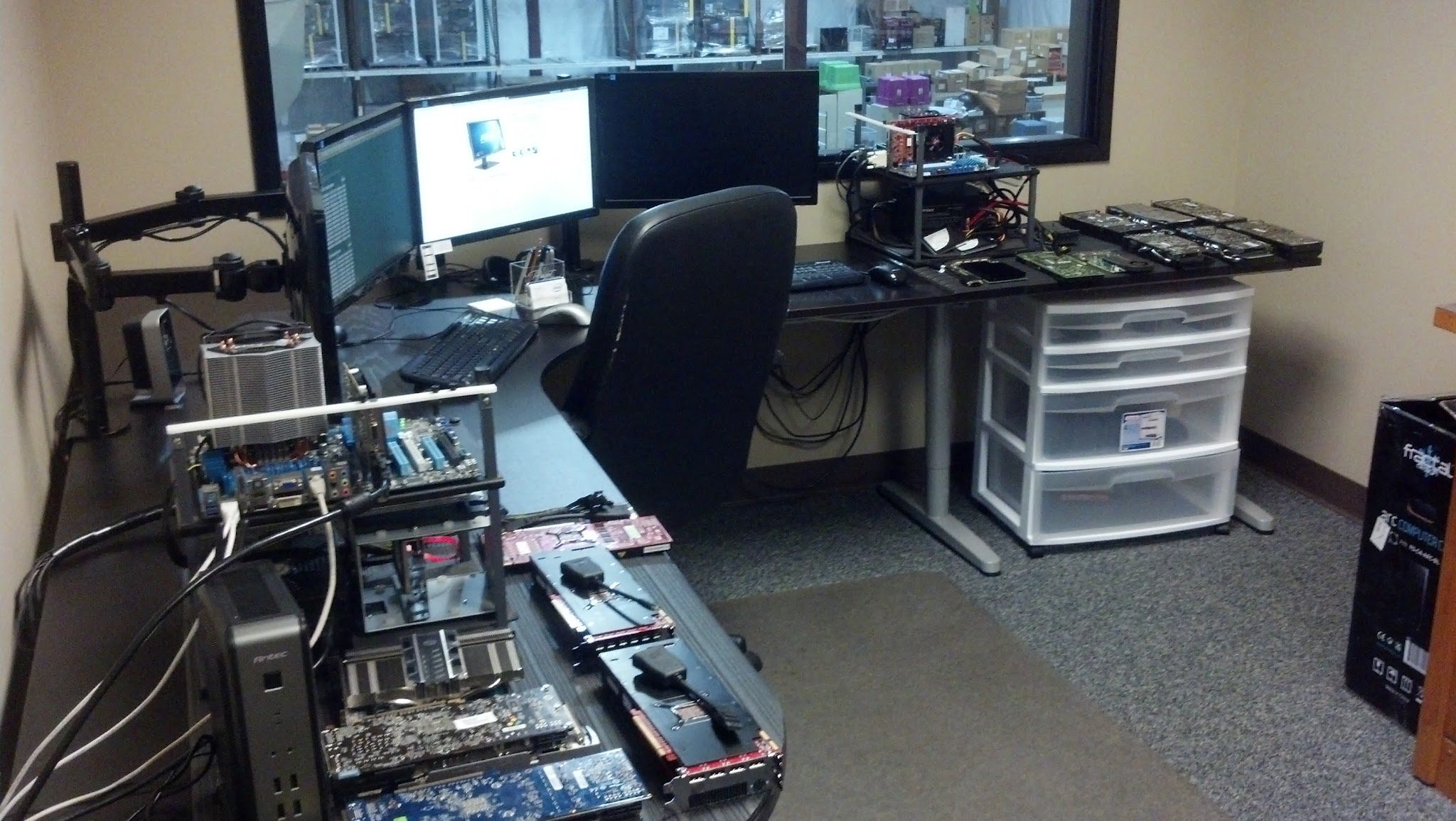
In 2012, we completed the first expansion of the office space in our Auburn, WA facility, and had the room to move Labs to a dedicated room. In addition to a main workstation, we had a setup for two test benches with dedicated monitors, keyboards, and mice. This allowed us to test two different hardware configurations at once, which, at the time, was adequate for our needs. Back then, we didn’t have nearly the range of desktop platforms that are available today, and most of our testing was focused on a single AMD platform, and one or two Intel platforms. We also didn’t have nearly the level of automation we do now, so much of the testing required direct interaction with the system, limiting the number of benchmarks and tests a single person could keep up with.
That space worked well for many years, but we eventually outgrew it from both a hardware testing, and employee, working space stanpoint.
2016-2021
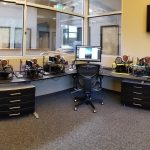
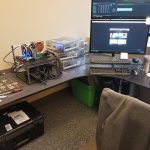
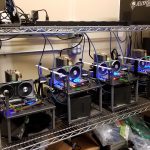
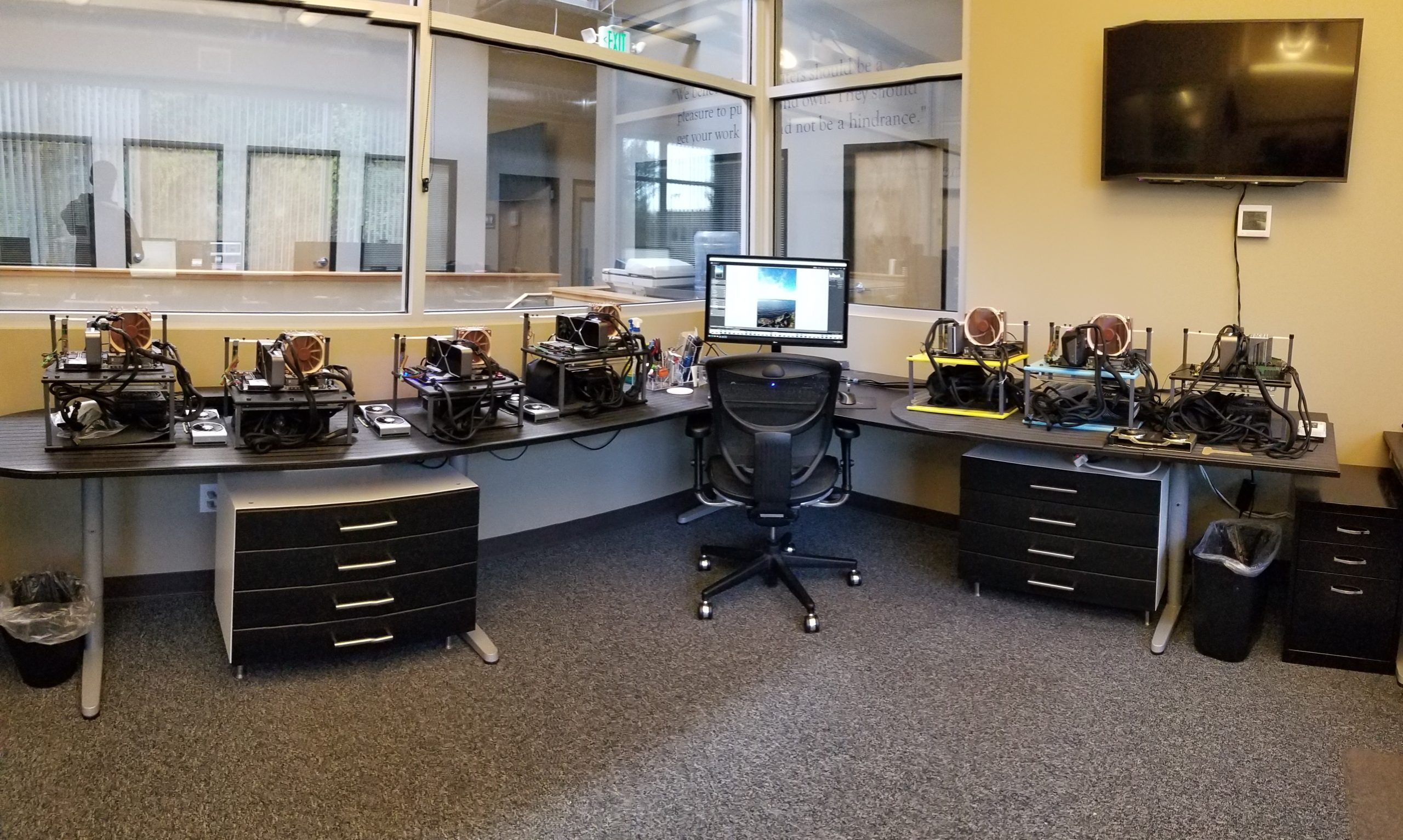
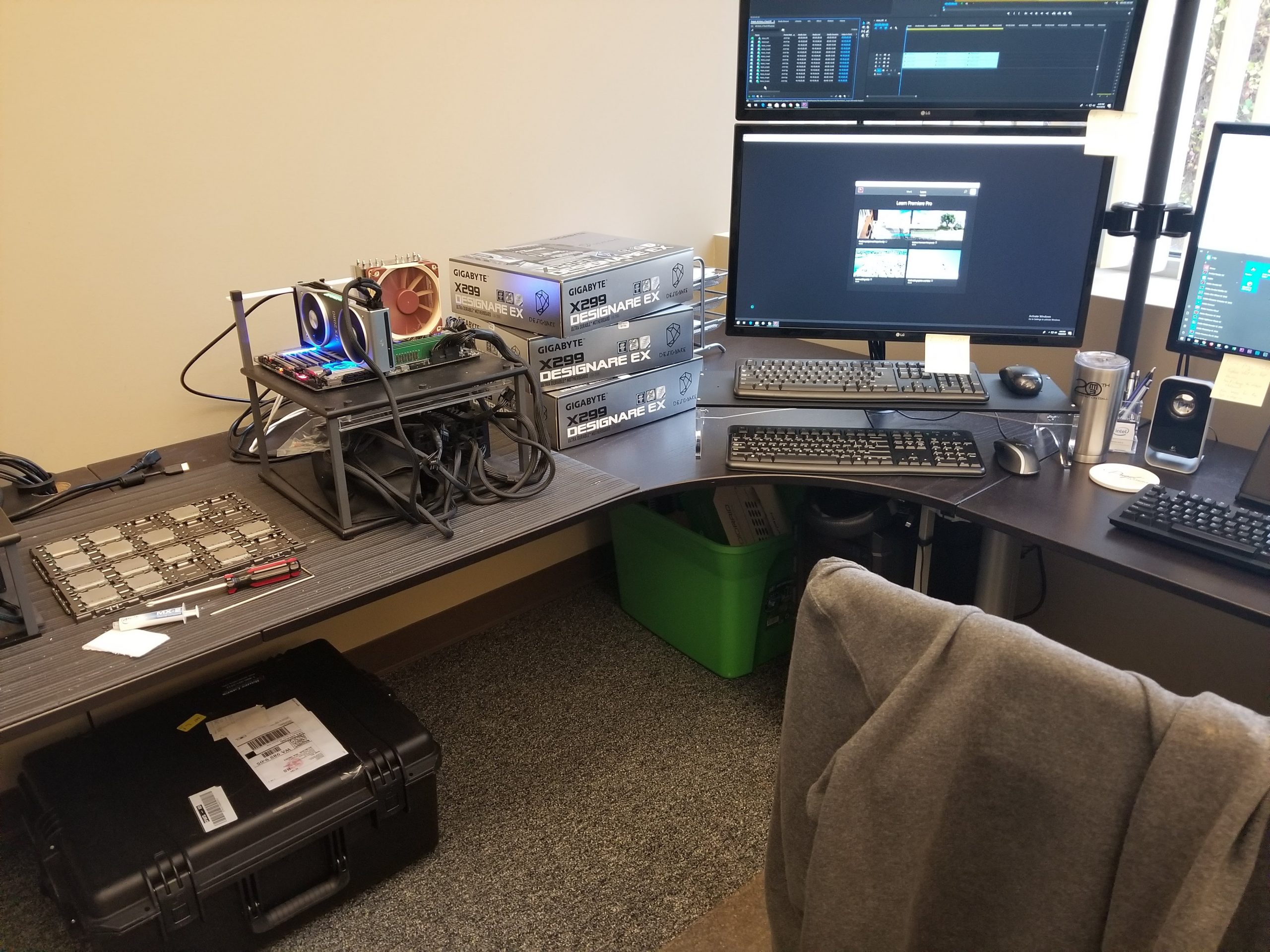
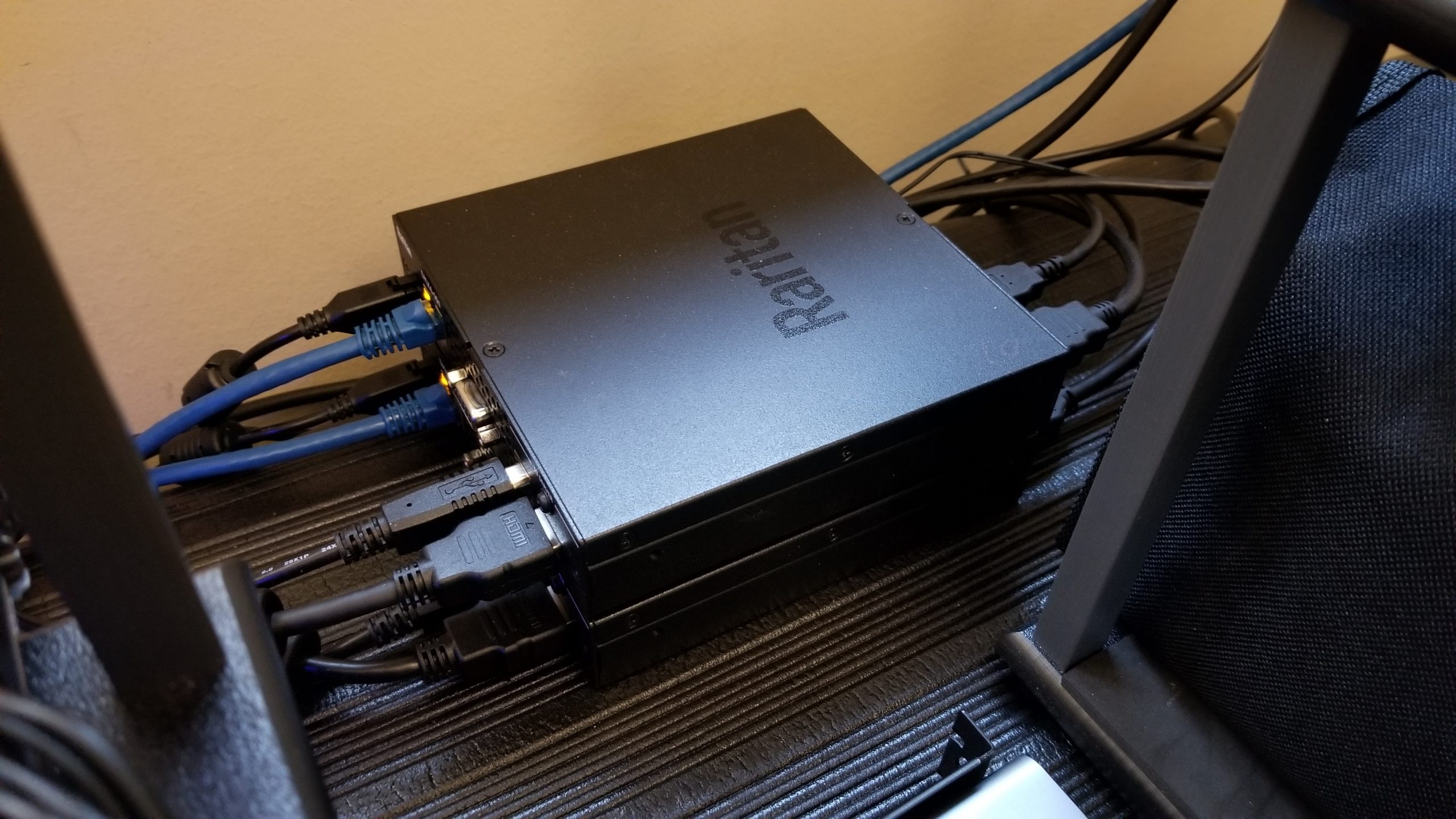
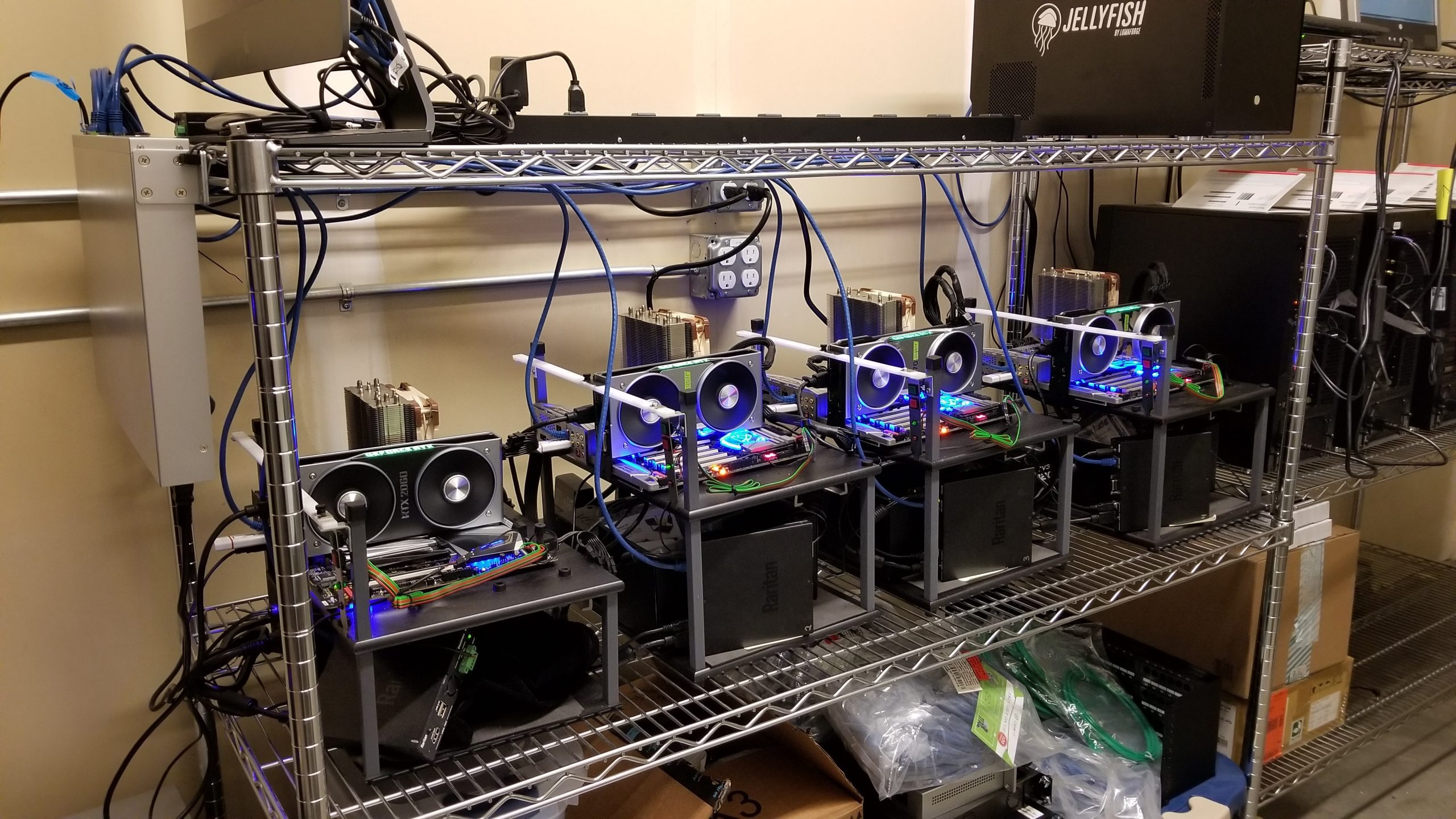
After four years in the initial Labs room, we were beyond cramped and needed to expand. In 2016, we finished a remodel of a portion of the office area at our warehouse, with a significantly larger space dedicated to Labs. We expanded from just a handful of testing stations to having seven stations available on a shared KVM, plus another five stations more readily available for direct monitoring and interaction from the employee workspaces.
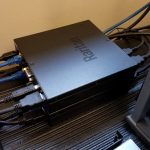
Around 2018, we expanded even further into our server room, prompting us to start utilizing Raritan 4K ipKVM units to give us remote, BIOS-level, access to our test beds. This allowed us to do everything from run tests (without putting additional load on the system like remote desktop software does), update the BIOS, or even perform complete OS installations remotely. The move to KVM-over-IP solutions turned out to be an excellent windfall for us when COVID happened in 2020, allowing us to switch to working remotely with very little effort as long as we had one person on-site to handle physical hardware swaps.
2021-2025
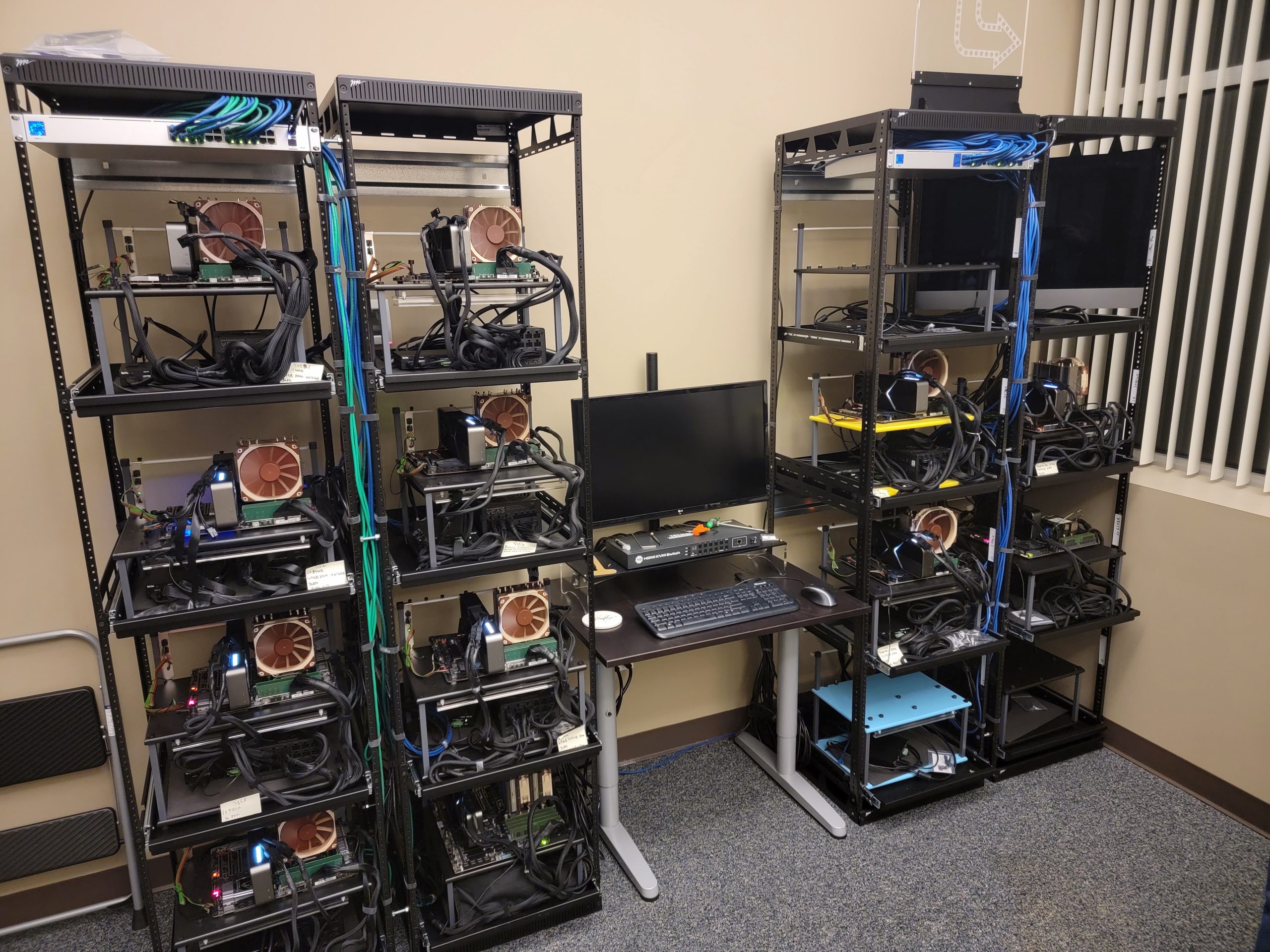
In part due to the success of utilizing KVM-over-IP solutions to enable remote testing, and the ongoing need for more and more test platforms to be readily available, in 2021 we completed yet another overhaul of our testing setup. This time, we stayed in the same room, but moved from a space-consuming setup with test beds sitting on standard desks to a dense setup on four racks.
We continued to use open-air test benches rather than move to rackmount chassis to facilitate the easy swapping of hardware and to allow for the use of standard CPU coolers and power supplies. Each of the test beds was placed on a sliding tray to make access easy, and each unit had a dedicated Raritan ipKVM for remote access in addition to being hooked into a local KVM.
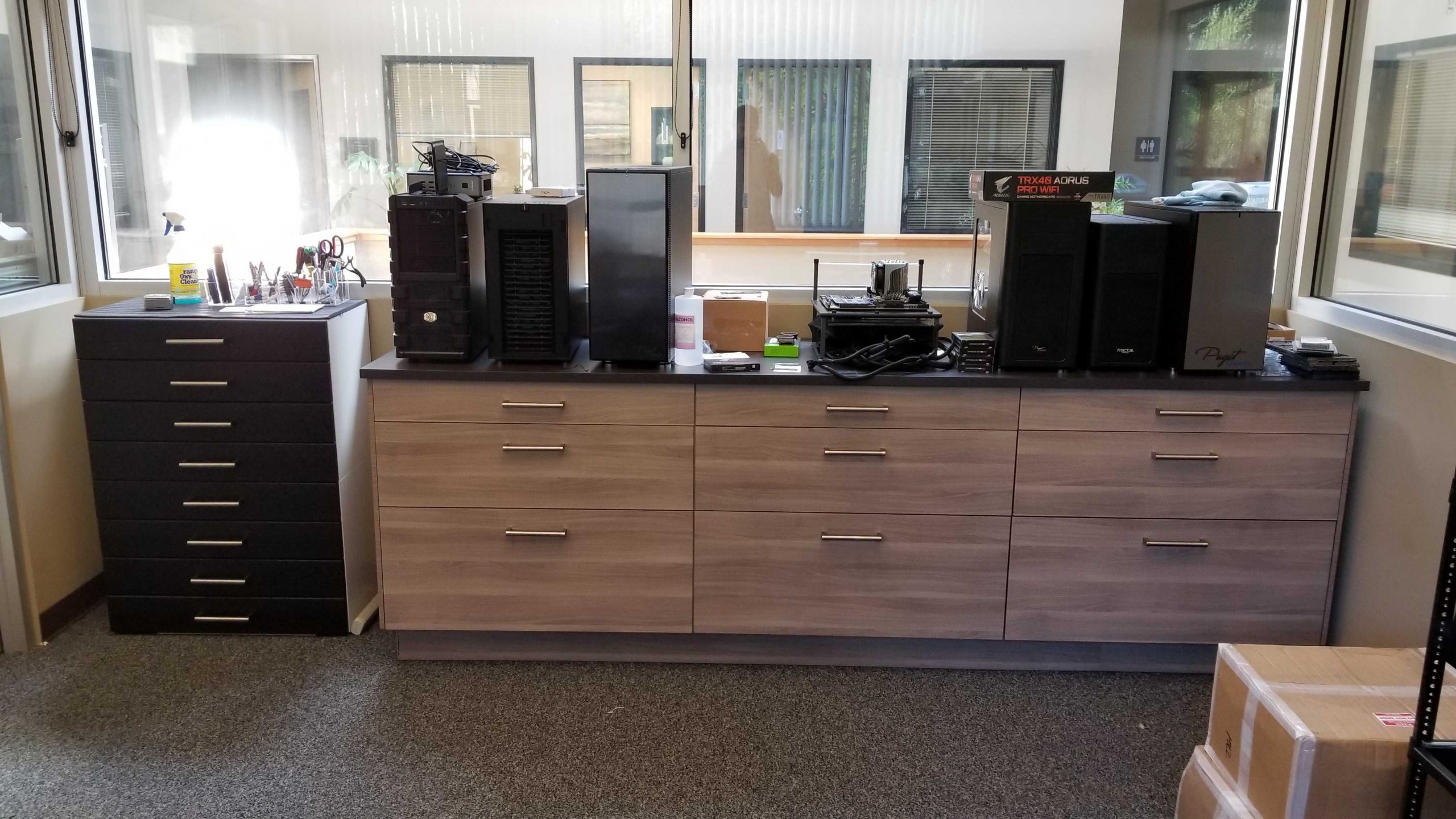
With the space opened by moving to racks, we installed a cabinet with plenty of storage for our growing collection of CPUs, GPUs, motherboards, and other computer hardware.
Over time, the racks filled up, especially when we added a range of laptops for PugetBench QA testing. We added a half-rack with more PugetBench QA platforms and dedicated “playground” machines for each Lab Technician to give them more processing power than their work laptop could handle, but that also quickly was at capacity.
Meet the New 2025 Labs Space
Over the last few weeks, we performed yet another move of the Labs department. The space we were using was still functional, but as Puget Systems grew, we needed it to be used for actual offices and not just computer equipment. The 80amps worth of power we had access to also played havoc with the air conditioning system, often causing it to overbalance and turn other offices into freezers.
This move was part of a larger build-out in our Auburn, WA facility as part of a multi-department effort to address various growing issues. In addition to Labs, IT needed a bigger and better climate-controlled space for their server and networking gear, Production needed a dedicated space with enough power and cooling to handle our growing server business (and with sound isolation to save everyone’s ears), and we needed more desks for the people who were working in office.
The other parts of this construction project are very interesting, but focusing on just the new Labs space, this is what we now have available:
Sound Isolated and Climate-Controlled Space for Test Beds
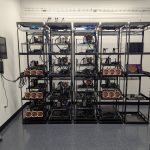
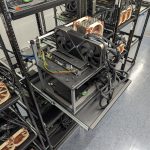
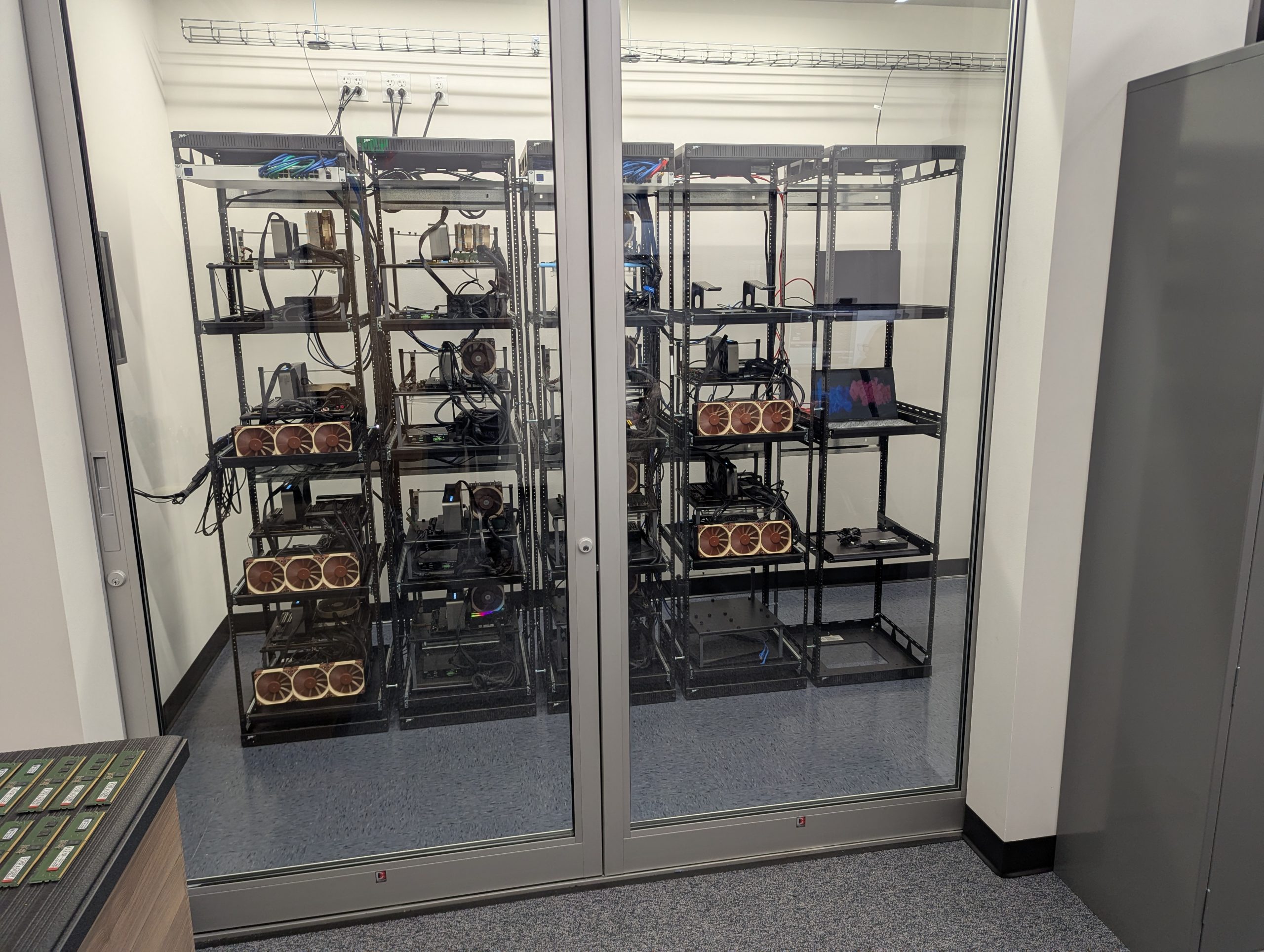
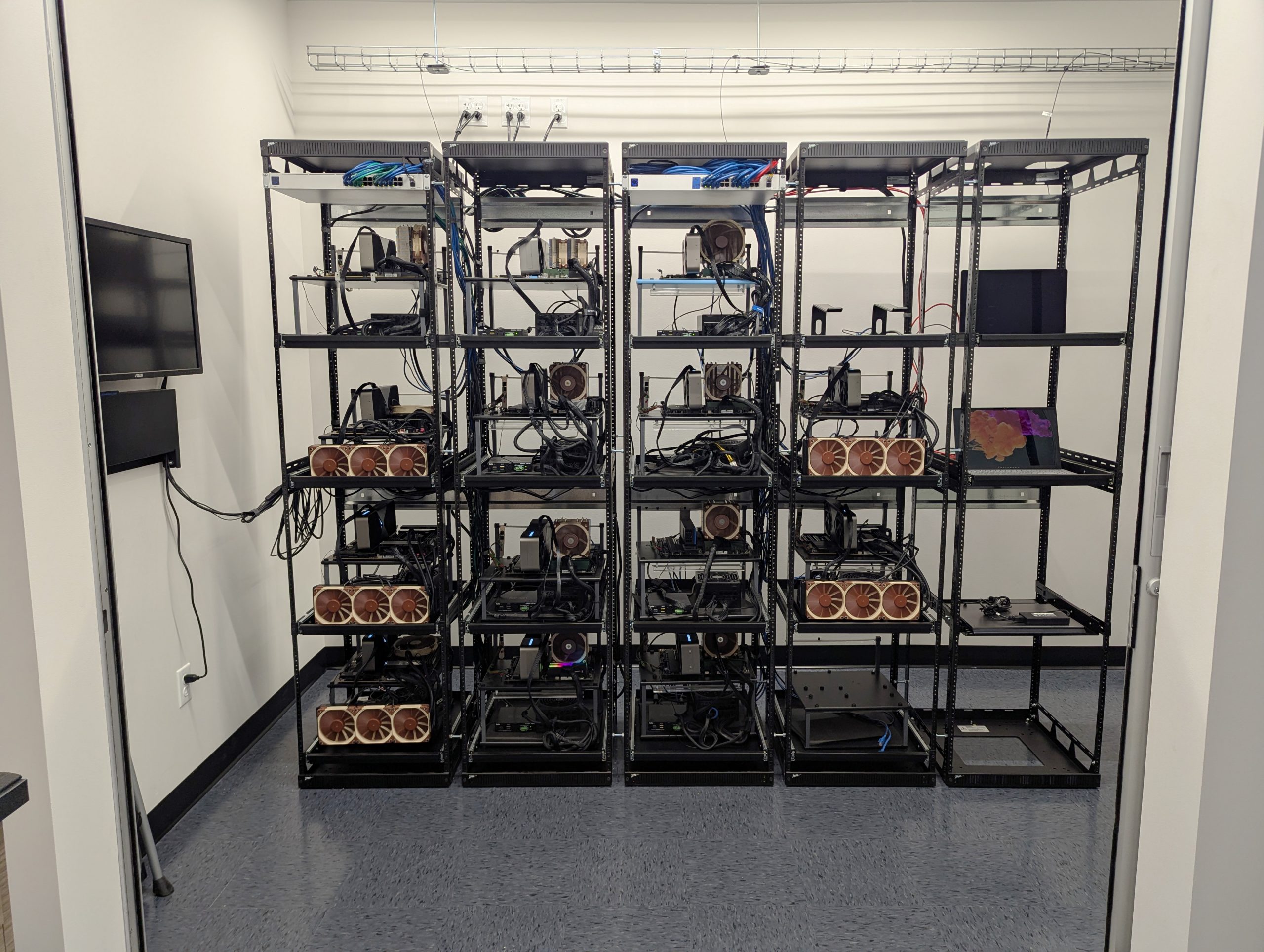
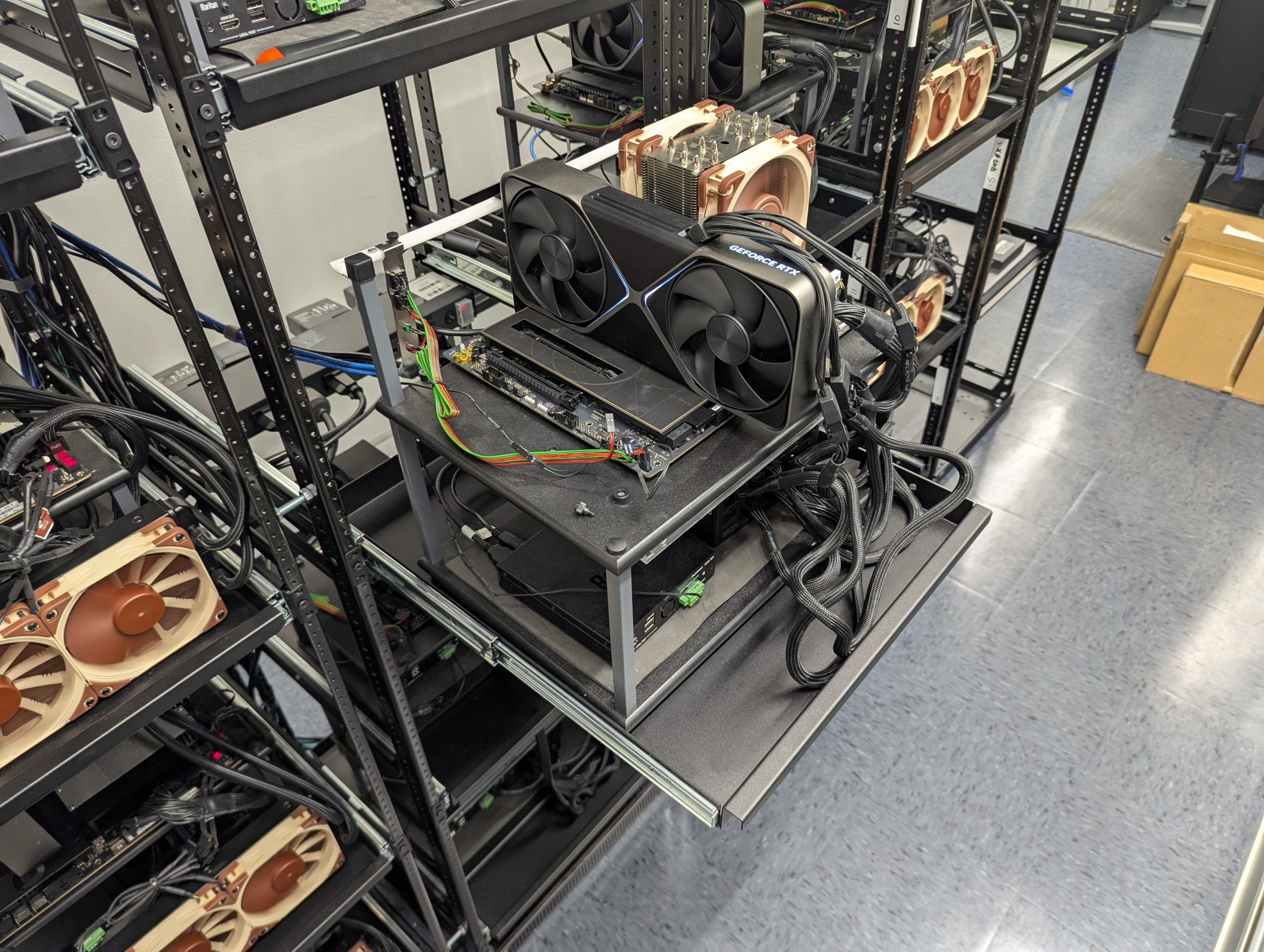
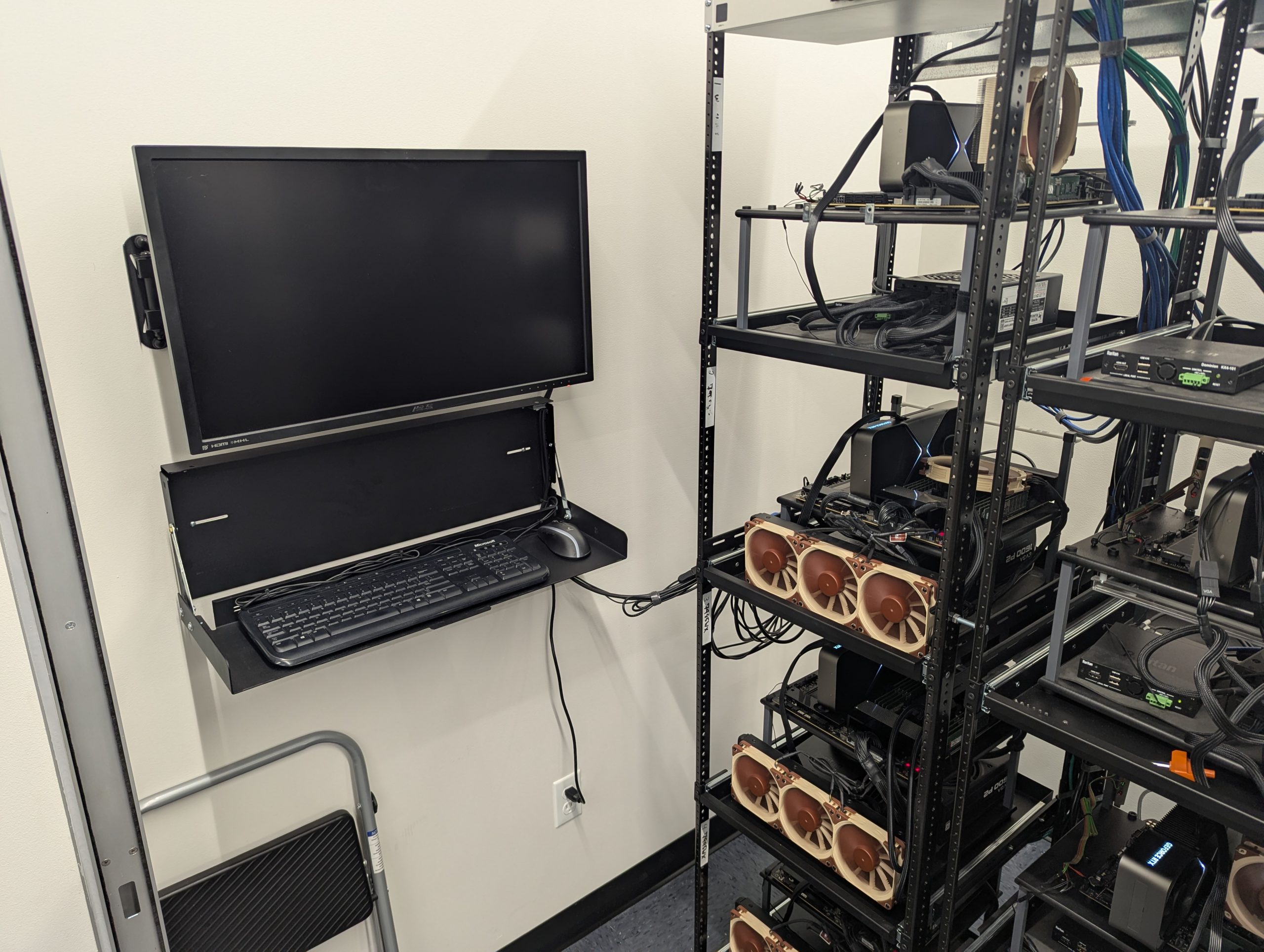
Our main test beds (used for performance testing in articles and Labs consultations) have moved into a sound-isolated, fully climate-controlled room. We still have easy access for maintenance with each test bed on a pull-out tray, but no longer will having a dozen (or more) CPUs and GPUs running under heavy load be a distraction while people are trying to work nearby. The amount of cooling this room has can handle anything we throw at it, even with five 20-amp circuits to these racks potentially generating up to 12,000 watts of heat!
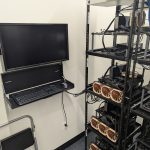
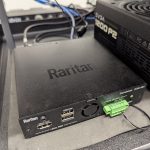
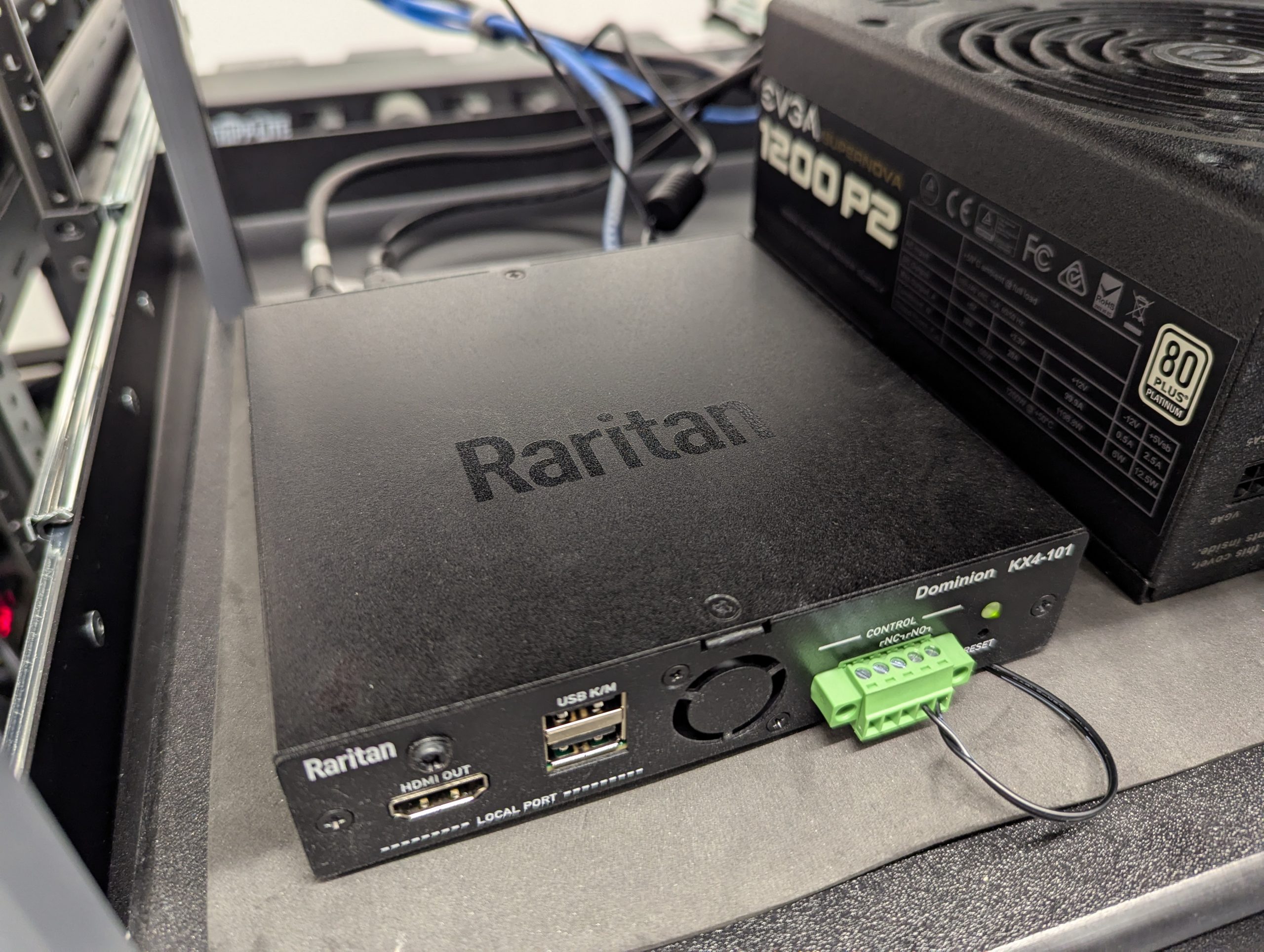
Local access is available from a single monitor/keyboard/mouse on long cables, but the vast majority of the time, we are working with these systems remotely. Parsec is our remote desktop software of choice when quality of life is important (copy/paste from client to host, minimal latency, audio pass-through, etc.). And when hardware-level access is needed, each test bed is on a dedicated Raritan Dominion KX IV-101 KVM-over-IP unit. These allow us to remotely do anything you could do in person – update the BIOS, install Windows, reboot the system, recover from Bluescreens, etc. They also have the advantage of putting zero load on the system, which is essential when doing performance testing.
We added a fifth rack to allow room for future expansion of our test beds. For now, that rack houses some of the laptops we use for Puget Bench development and QA testing, with selections covering PC, Mac, and ARM. Laptops can be stored very densely; however, and as we grow, we will likely consolidate those units down to one or two shelves.
Employee Dev and Puget Bench QA Rackstations
System Image
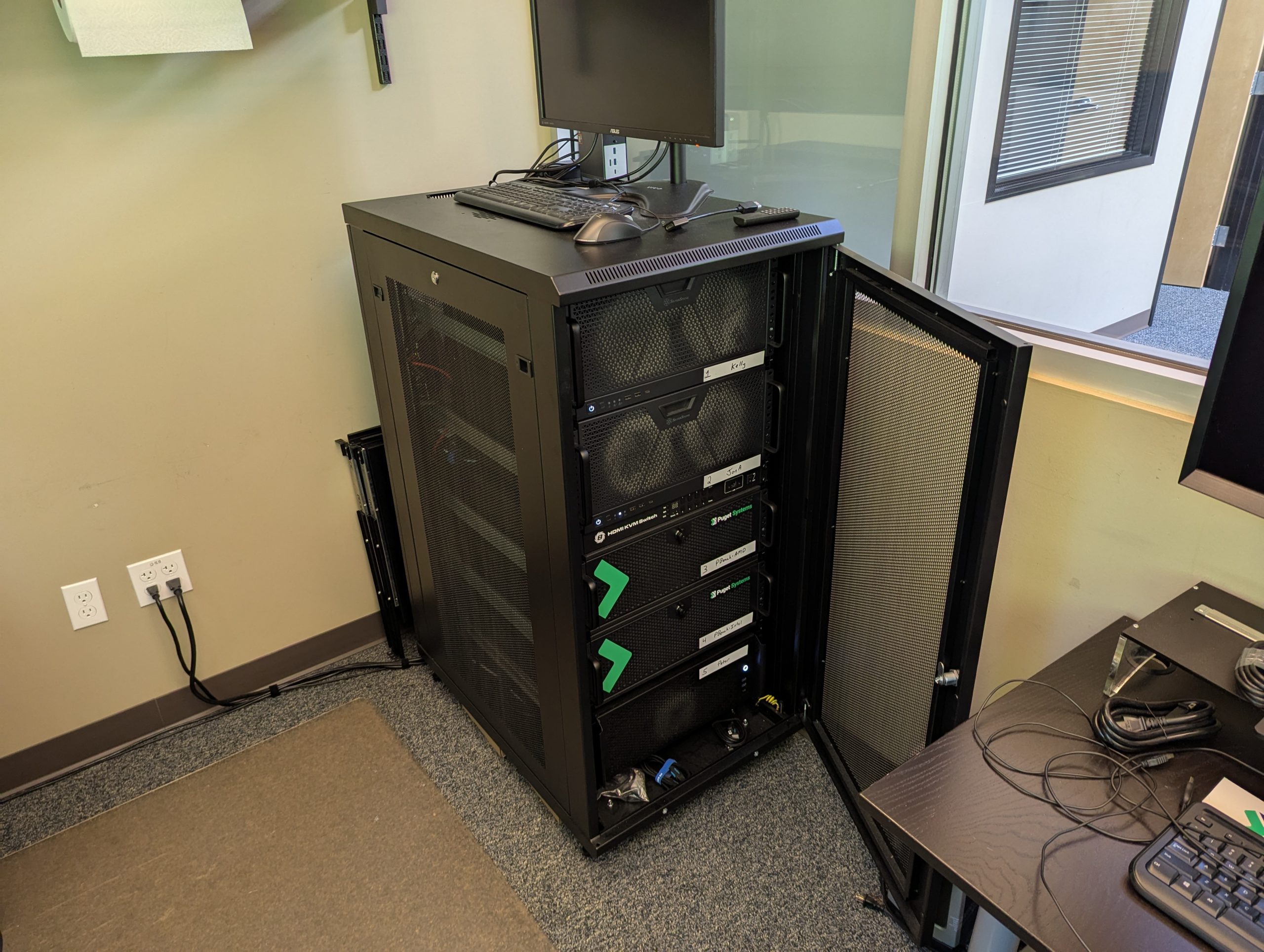
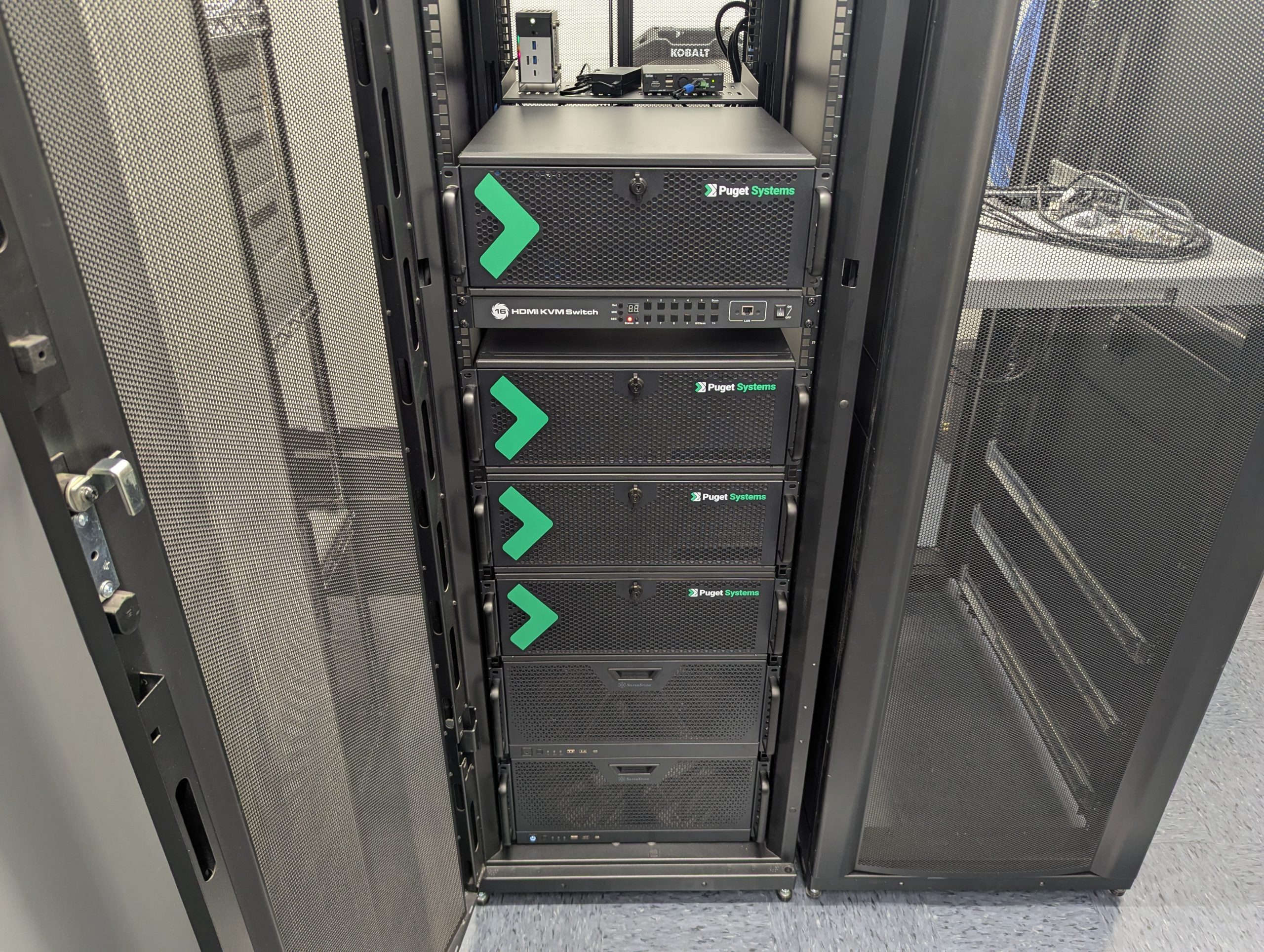
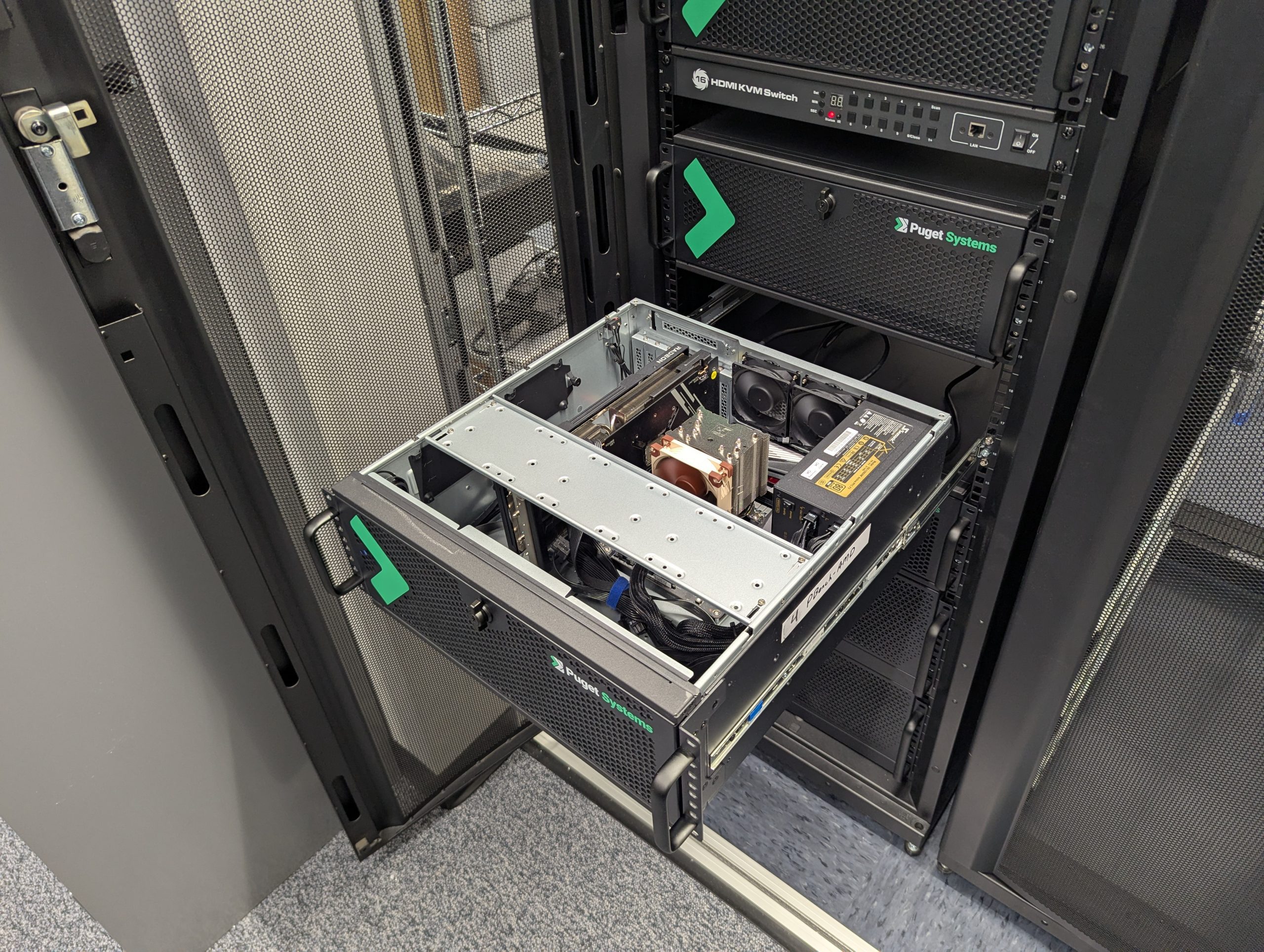
In addition to the main test beds, we also keep several rackstations for various purposes. All the “Technology Advisors” in the Labs department have a high-powered rackstation to use when running testing, investigating new software and workflows, or generally doing anything that our everyday laptops simply can’t handle.
The rest of the rackstations are primarily for Puget Bench development and QA testing, covering different CPU and GPU brands across AMD, Intel, and NVIDIA. A few random mini-PCs are also housed here for technology not found in typical desktop form factors like AMD’s AI Max processors.
Local access is planned via a 4K KVM (the monitor and keyboard tray are still in the works), but 99% of the time, access is done via Parsec. In the rare instances we need BIOS-level access, the KVM is wired into a single Raritan KVM-over-IP unit, allowing us to remotely change BIOS settings, reinstall Windows, or do anything else not possible with a software-based remote desktop solution.
Storage
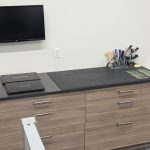
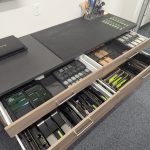
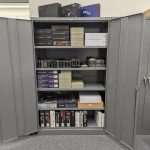
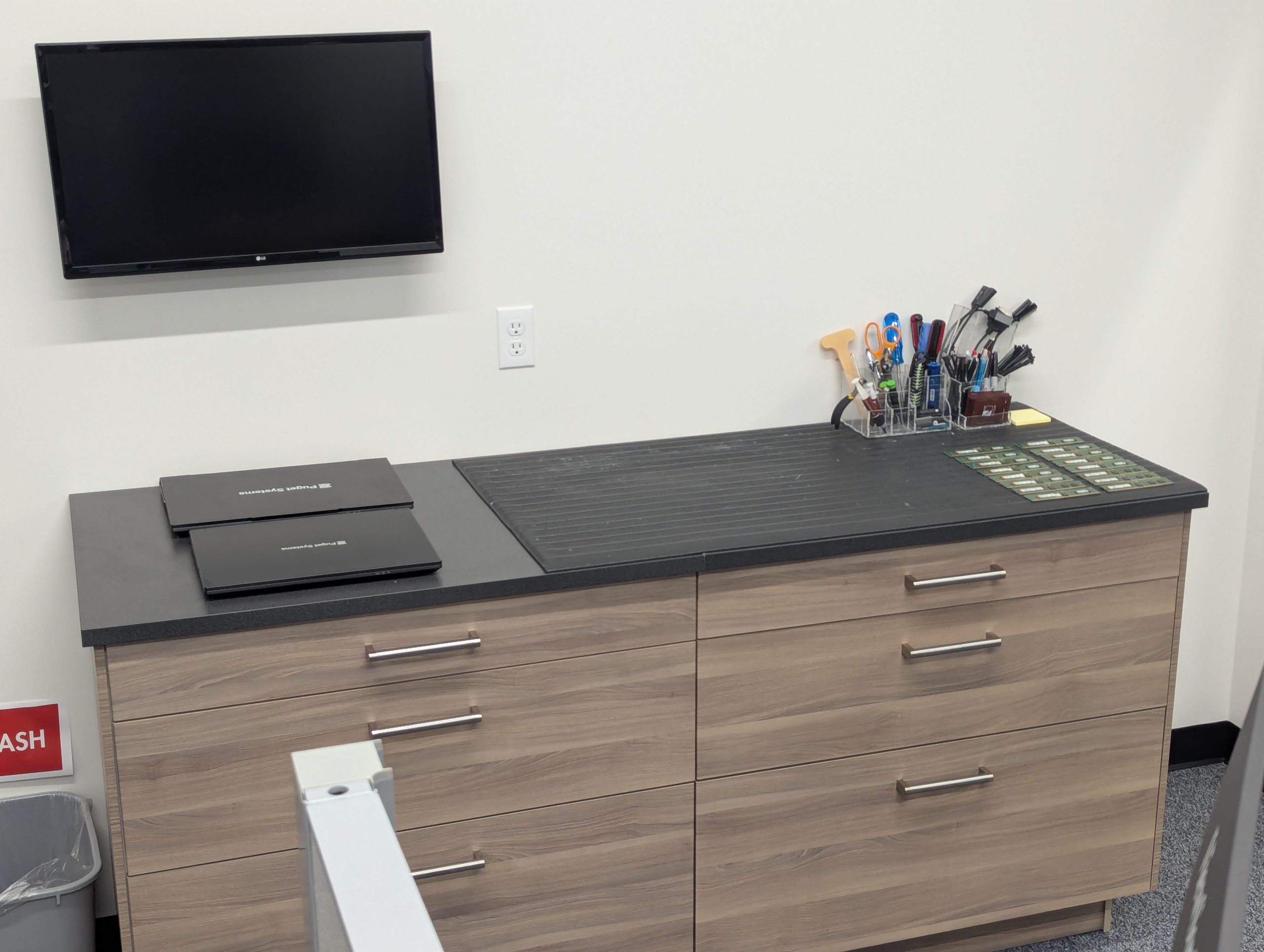
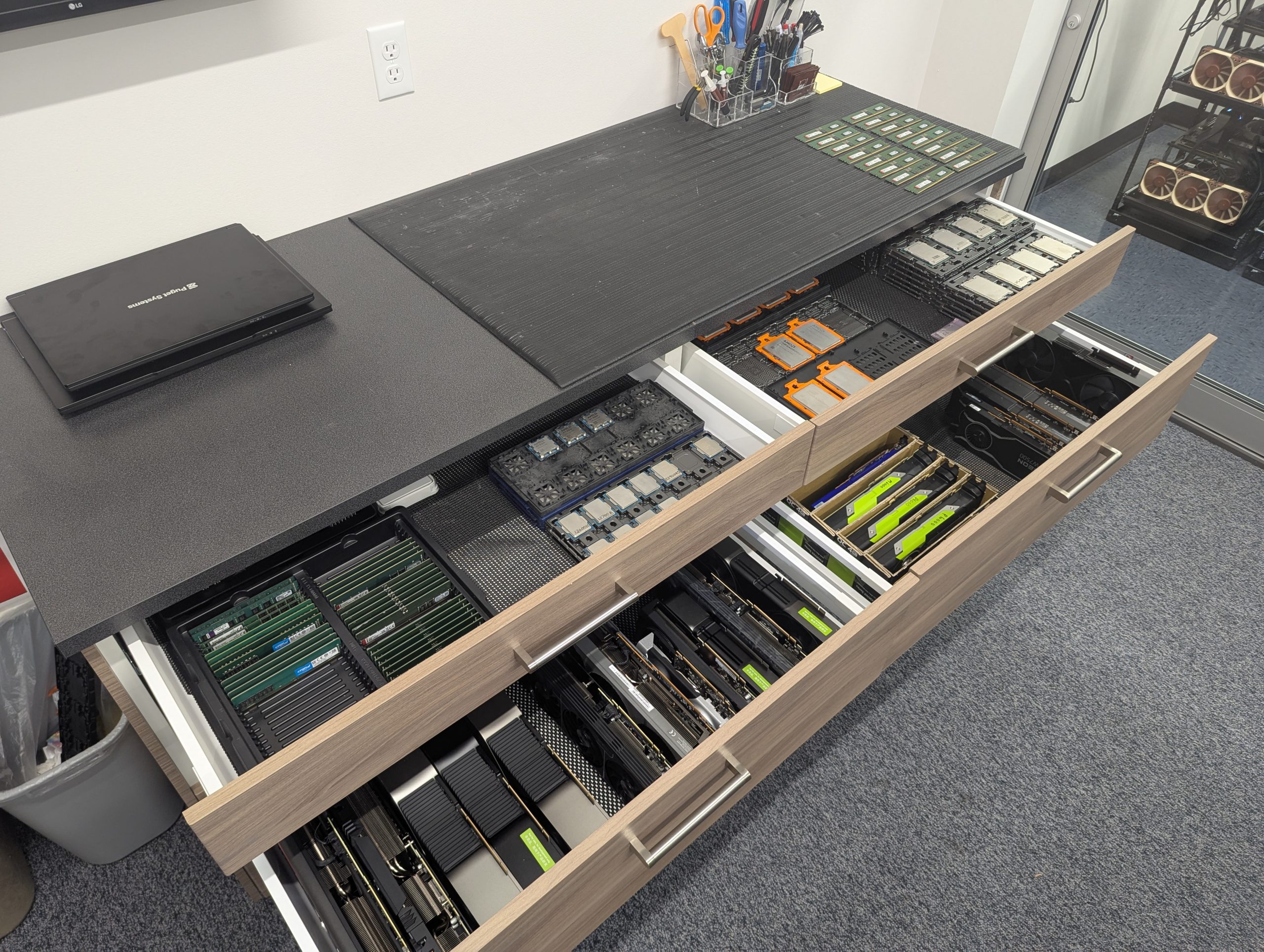
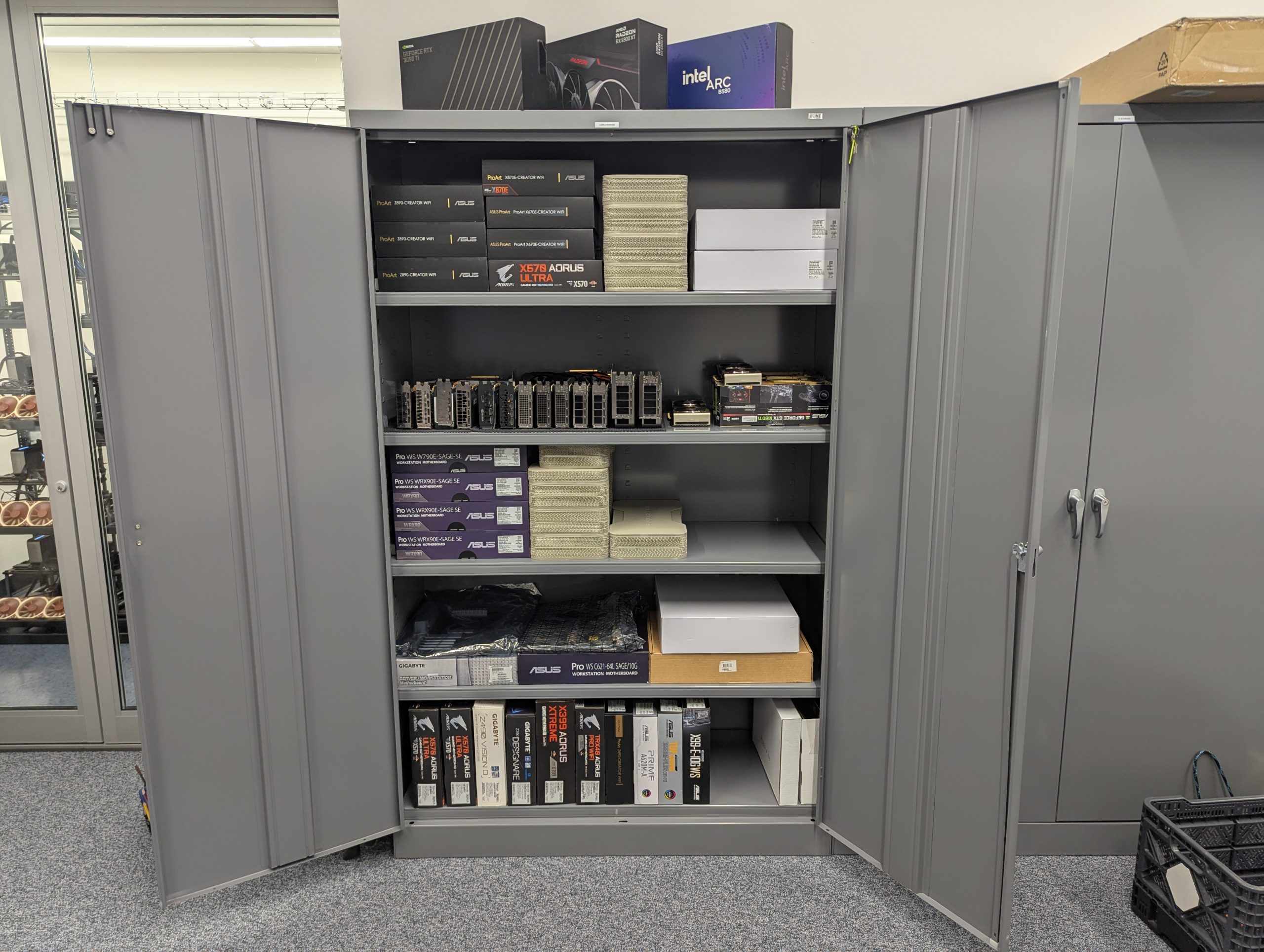
As you might expect, we keep a LOT of hardware on hand for testing. We (or more accurately, the author of this post) are also pack rats who want to save everything. You never know when that random screw is needed, or a wifi cable from a 2015 ASUS motherboard would come in handy! Purging years of motherboard and GPU boxes, along with very old hardware and accessories we will never use, allowed us to trim down our storage needs. Everything we need fits in a pair of 36″ drawer units and a large storage cabinet, with plenty of room for future hardware.
In general, our storage philosophy is to keep everything we have from the current generation, one of each model from the previous generation, and the top SKU for CPUs and GPUs of older generations. Along with the required motherboards, coolers, RAM, and other hardware needed to run those CPUs/GPUs for the times we want to build up an old platform to do generational testing.
Conclusion
As Labs has grown over the last 14 years, we are very fortunate that the spaces we have available have grown along with us. We went from a single desk with access to only a couple of test systems at a time, to our modern setup with up to 16 performance test beds and a range of rackstations, laptops, and mini-PCs for various purposes.
This is unlikely to be the last time we will need to change things up, but this is one of the biggest moves in the department’s history. Previously, we made things work with repurposed office spaces, but this new sound-isolated and climate-controlled space is purpose-built for our needs.
We have plenty of room to grow and expand, which will be needed as we expand into new industries and innovate our performance testing and analysis process!

Looking for a Content Creation workstation?
We build computers tailor-made for your workflow.

Don’t know where to start?
We can help!
Get in touch with one of our technical consultants today.