NVIDIA Titan V Surprise

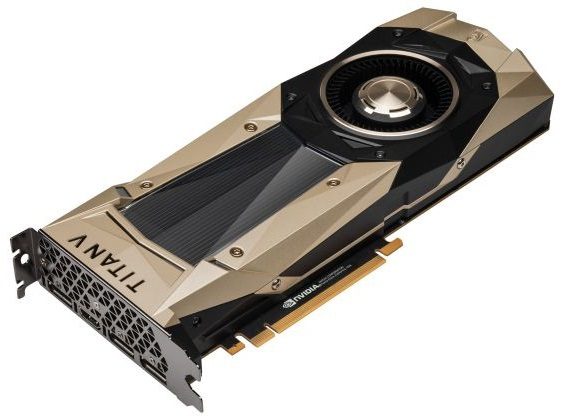
NVIDIA’s CEO, Jen-Hsun Huang, dropped a bit of a bombshell at the NIPS conference yesterday: the launch – and immediate availability – of the next graphics card in NVIDIA’s Titan series. It is called the Titan V, with V referring to the new Volta architecture it is based on. So what can we expect from the latest entry in the Titan lineup?

In Search of Competition

While speaking to our customers, I’m often asked why we don’t carry a specific brand or type of product. For example, AMD recently released a CPU called Ryzen that competes with Intel CPUs. AMD is positioning these chips as comparable to Intel’s offerings but at a lower price. Some customers are interested in how these new chips stack up.

Visiting Supercomputing 2016

I made the trek to Salt Lake City to attend the Supercomputing conference. I’ve attended conferences both large and small going back 20 years, but nothing could prepare me for what I saw at Supercomputing. If you’re not familiar with Supercomputing, it’s an annual conference where scientists, researchers, and engineers gather to discuss high-performance computing, network storage and related technologies.

GeForce GTX 1080 & 1070 Frequently Asked Questions

NVIDIA’s announcement of the GeForce GTX 1080 and 1070 video cards has a lot of folks excited, and I’ve responded to several questions over the last few days regarding these cards. In an effort to help a wider audience who probably have similar questions, I’ve put together a summary of what we know at this point about these upcoming graphics cards.

Titan X – What is it and who is it for?

NVIDIA’s GeForce GTX Titan X isn’t for everyone – no $1000 video card ever will be – but it has some very specific roles where it excels. Click here to read about what the Titan X is and what it does well at!

Gaming Computers: Its All About Balance

We sell all sorts of computers here at Puget Systems, and one of the more popular requests is for a gaming computer. In fact, we have designed one of our main brands around gaming – the Puget Deluge is an excellent system to consider for a gaming rig. Some gamers come to us already knowing what specs they want, but others are seeking more detailed guidance on what processor, video card, and other components to go with. The exact advice we give depends on the situation: the sorts of games they are interested in, the screen resolution they plan to run, their budget, and other preferences. However, a lot of that advice can be distilled down into the following basic principles.
PCI-Express Performance and the NVIDIA Warning

Puget Systems has been in the business of building computers for 11 years now, and we know what we are doing when it comes to assembling top-notch custom computers. It is a bit insulting, then, when a parts manufacturer puts out a warning which appears – on the surface – to indicate something we do is resulting in anything other than the highest performance possible. Yet here I am, to let you know about just such a notice that nVidia’s latest driver software is giving when using their graphics cards in certain configurations.

Adobe Premiere Pro CS5 – Mercury Playback Engine

Traditionally, over at least the past 15 years, the main role of a video card in a computer has been to accelerate 3D graphics. That is a large part of what has made modern computer games possible, and it has also contributed heavily to CAD / CAM work and digital animation. Video cards have also helped with 2D graphics and video playback, but the main focus has been on 3D speed.