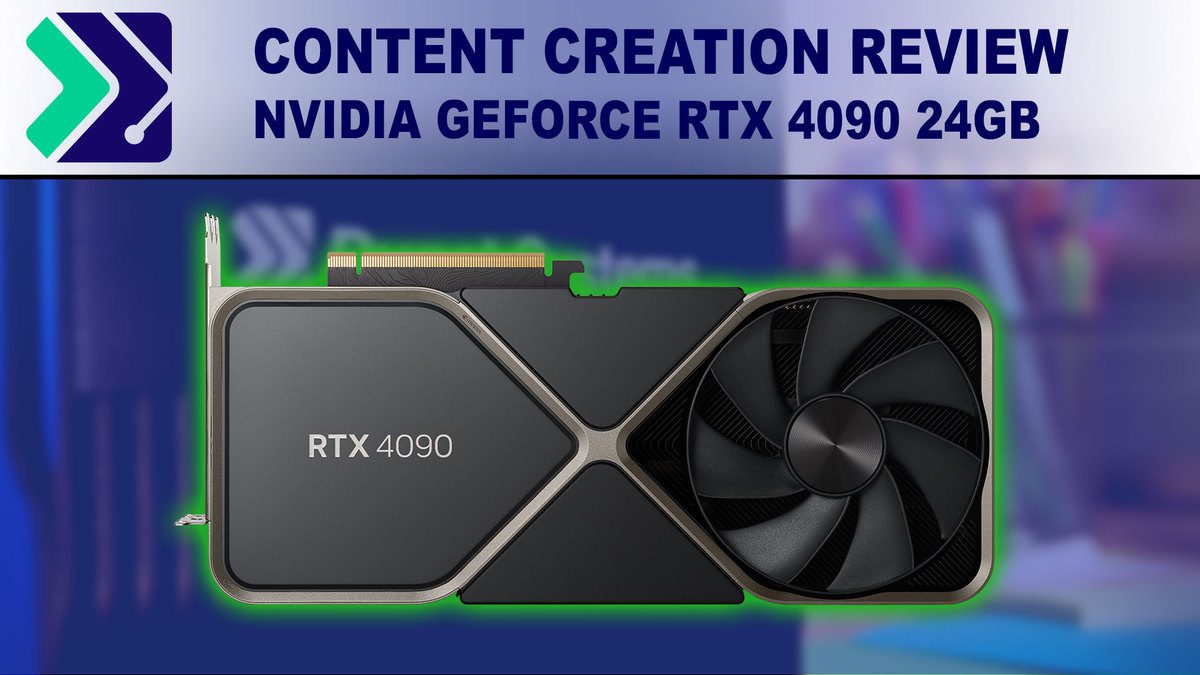
NVIDIA’s GeForce RTX 5090 is the most powerful consumer GPU in the world. How does it perform in content creation applications?


NVIDIA’s GeForce RTX 5090 is the most powerful consumer GPU in the world. How does it perform in content creation applications?

Intel’s second-gen Arc graphics, codenamed Battlemage, launches with the entry-level B580. How does it perform in content creation applications?

Premiere Pro supports hardware-based decoding for H.264 and H.265 (HEVC) which can significantly improve performance with these codecs, but not all “flavors” of these codecs are supported depending on the bit depth and chroma subsampling used. In addition, support can change depending on the capability of the hardware in your system. In order to determine exactly what is supported, we decided to do our own testing to see exactly what types of H.264/5 media has hardware decoding support in Premiere Pro.

Following our recent M3 Max MacBook testing, we used our benchmark database to get performance data for Mac vs. PC for content creation.

The Puget Mobile 17″ is a mobile workstation. How does it’s battery life and emmisions compare to an Apple M3 Max?

How does the new Puget Mobile 17″ compare to the top-end M3 Max MacBook Pro 16″ in performance for content creation?

With the launch of the new Puget Systems 17″ laptop, there are a lot of performance questions we want to address. Today, we will be examining the performance of this new mobile workstation compared to a more traditional desktop.

NVIDIA has released the SUPER variants of their RTX 4080, 4070 Ti, and 4070 consumer GPUs. How do they compare to their non-SUPER counterparts?

NVIDIA has released the complete family of professional Ada cards. How do they compare to the last-gen Ampere based professional GPUs?

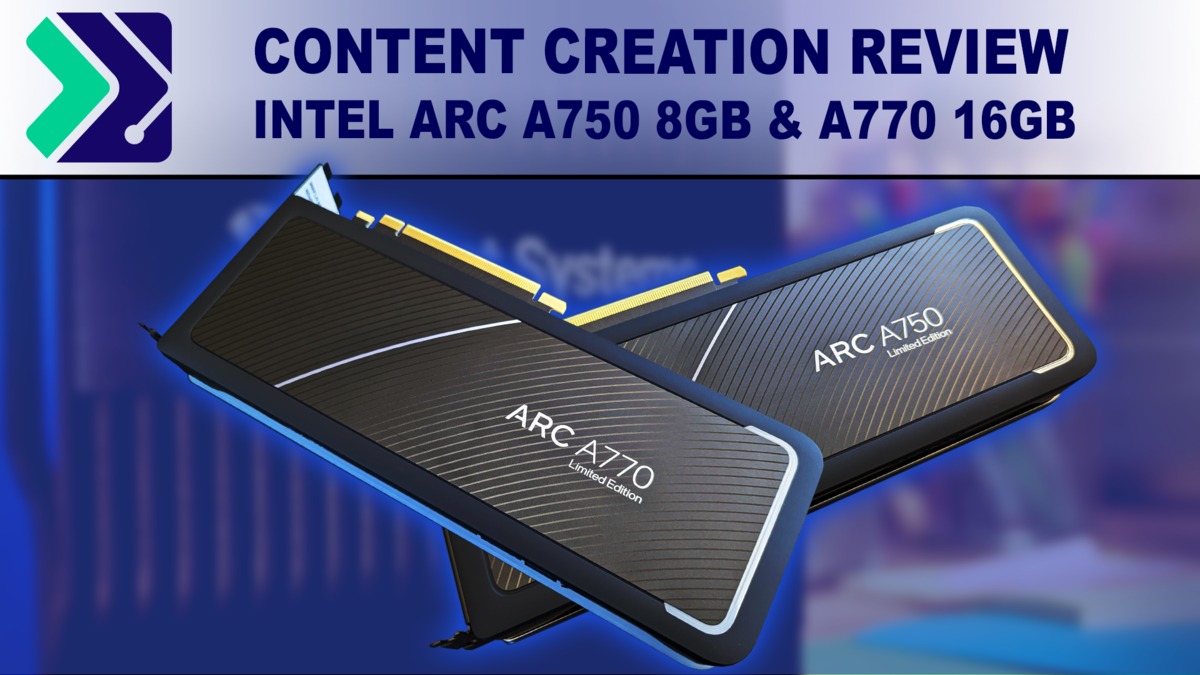
The Intel Arc Alchemist A770 and A750 launched 11 months ago. How have the Intel Arc A770 and A750 improved for content creation applications since then?