If someone forces open the door on your Puget Echo I system without pushing it in to release the latch, the latch can break. Replacing it is simple if not easy. This guide provides some photos and details that may help.
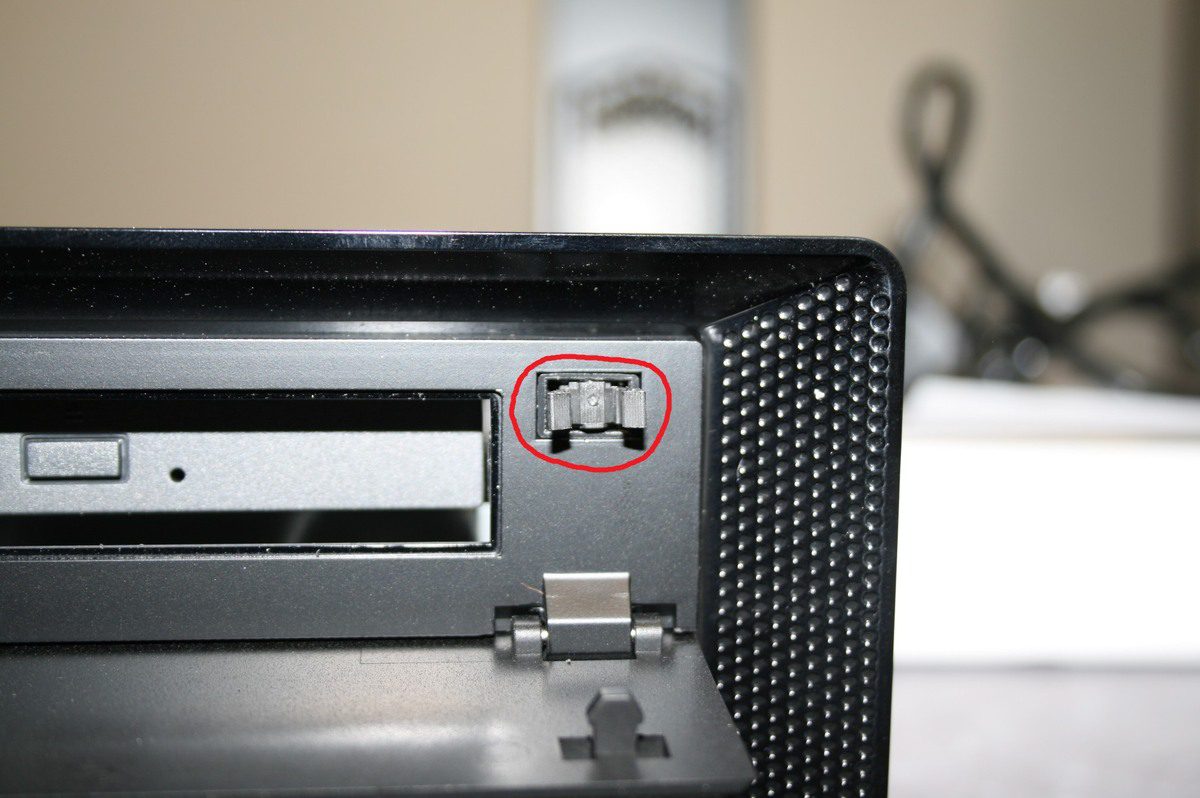
If someone forces open the door on your Puget Echo I system without pushing it in to release the latch, the latch can break. Replacing it is simple if not easy. This guide provides some photos and details that may help.

In the course of my work as a sales consultant here at Puget Systems, I am often asked how I recommend setting up a computer. After all, providing advice like that on hardware configurations is my job! However, there are some deeper insights into how a computer can be set up which go beyond just selecting the right hardware. There are things I don’t often have the opportunity to discuss, and which aren’t really within the purview of a system builder. I wanted to take some time to write about the ideas and practices I use in my own computer setups, in the hope that some of this advice will help others to get the most out of their computers.

Over the last few years, Puget Systems has made a strong effort to get more involved with our local business community. Keeping with this theme, we’re proud to announce our participation in the 2010 Greater Seattle Chamber of Commerce Trade Show. We are both a sponsor of the event and a exhibitor. For those of you in the Seattle area, we encourage you to stop by the show and say hello. The show is May 12th and we’re in booth number 225. Hope to see you there!
As a promotion for the show, the Chamber stopped by and made a quick video highlighting Puget. Enjoy!

It’s been a while since we’ve posted something to the ol’ Puget Blog. Why the neglect? We’ve been crazy busy trying to roll out new website features and keep up with all the newest hardware launches! We’ve got a brand new layout on the site for each of our branded systems, and a bunch of slick new hardware, like the Nvidia ‘Fermi‘ Video cards.
I wanted to share some fun before-and-after pictures of a system we were working on recently. If you don’t live near us here in Seattle, you might not know that we do computer repair too. We offer free diagnostic, and very reasonable rates on the work. (To be honest with you, we see local computer repair as a good way to spread word-of-mouth, not really as a moneymaker).
Anyhow, we have a customer who had just picked up his brand new Puget Deluge gaming computer, and he was really impressed with the cable and wiring job that our production team did. He mentioned that he had an old system laying around that he had built a few years ago, and asked if we could give it a bit of a face-lift.
So I wanted to pass along a few of these shots. Our build staff does a great job, and I’m glad to have a chance to feature a bit of their work!
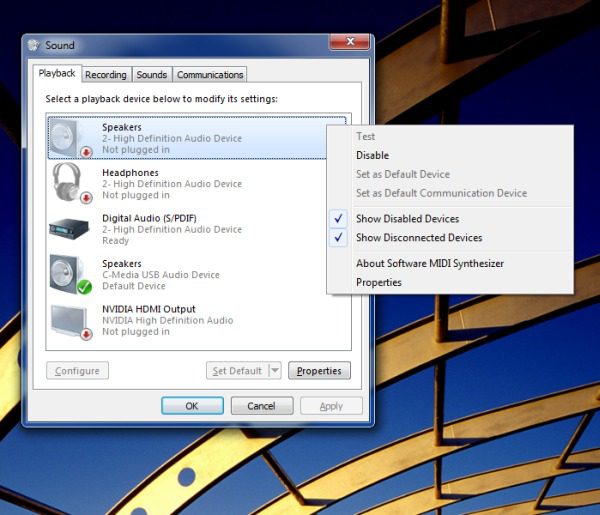
One of the more common support calls is from a customer who is not getting audio when using their computer. While this can be indicative of a bad sound card, in the vast majority of cases it turns out to be a misconfiguration. We’ve put together this quick guide to walk through some of the more common issues one can run into when the audio goes out.
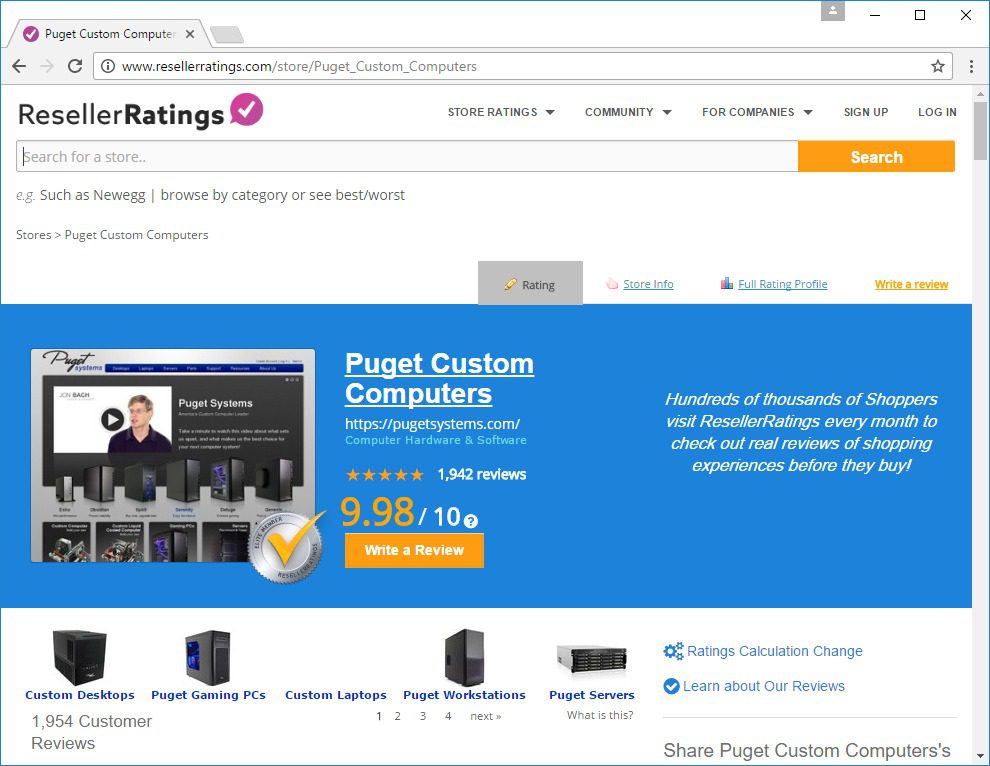
As a customer of Puget Systems, the best way you can help us is to give us your feedback and to tell others about us. A great way to do both at the same time is to submit your opinions about us on a public ratings site like Reseller Ratings!
When Intel first debuted the Core i7 processor line, code-named Nehalem, in late 2008 it made perfect sense. This line of quad-cores brought several new technologies: Turbo Mode, integrated memory controllers, triple-channel RAM, and Hyperthreading (making a comeback from the Pentium 4 era). There were three processors at launch, a 920, 940 and 965 – each slightly faster than the one before it, with the ‘5’ at the end of the last denoting that it was an Extreme Edition chip with some unlocked settings to help with overclocking. Over time the 940 was replaced with a 950, and then 960; the 965 also got an upgrade in the form of a 975. The naming scheme now isn’t so simple — let’s take a look.
It has been almost two years since I last wrote on the subject of TV tuners in computers, and a lot has changed since then. Over-the-air TV signals have finally gone all-digital, and many cable providers have reduced or dropped their analog cable lineups as well. These transitions, coupled with the release of Windows 7, mean that this year should be an exciting one for those of us with home-theater PCs.

We all seem to like our products with lots of features, especially when it comes to computers. After all, the personal computer is supposed to be the most versatile piece of electronics that you own, right? How can it be versatile without a long list of features? When it comes down to deciding what product to buy, one of the first things we do is put the features side by side, and see which gives us more capabilities for the dollar. What are we missing?
If you’re connected with me on Twitter or Facebook, you probably have noticed my recent posts about how great business has been, and how we’ve been more and more busy these past months. It has been a great feeling to once again focus my efforts on expanding our capacity to meet demand. But why have our sales picked up so heavily in the last quarter? Is this due to a gain in market share, or is this something bigger? I don’t claim to have the answers, but I would like to go over the data and our theories.
Puget Systems builds custom workstations, servers and storage solutions tailored for your work.
We provide:
Extensive performance testing
making you more productive and giving better value for your money
Reliable computers
with fewer crashes means more time working & less time waiting
Support that understands
your complex workflows and can get you back up & running ASAP
A proven track record
as shown by our case studies and customer testimonials